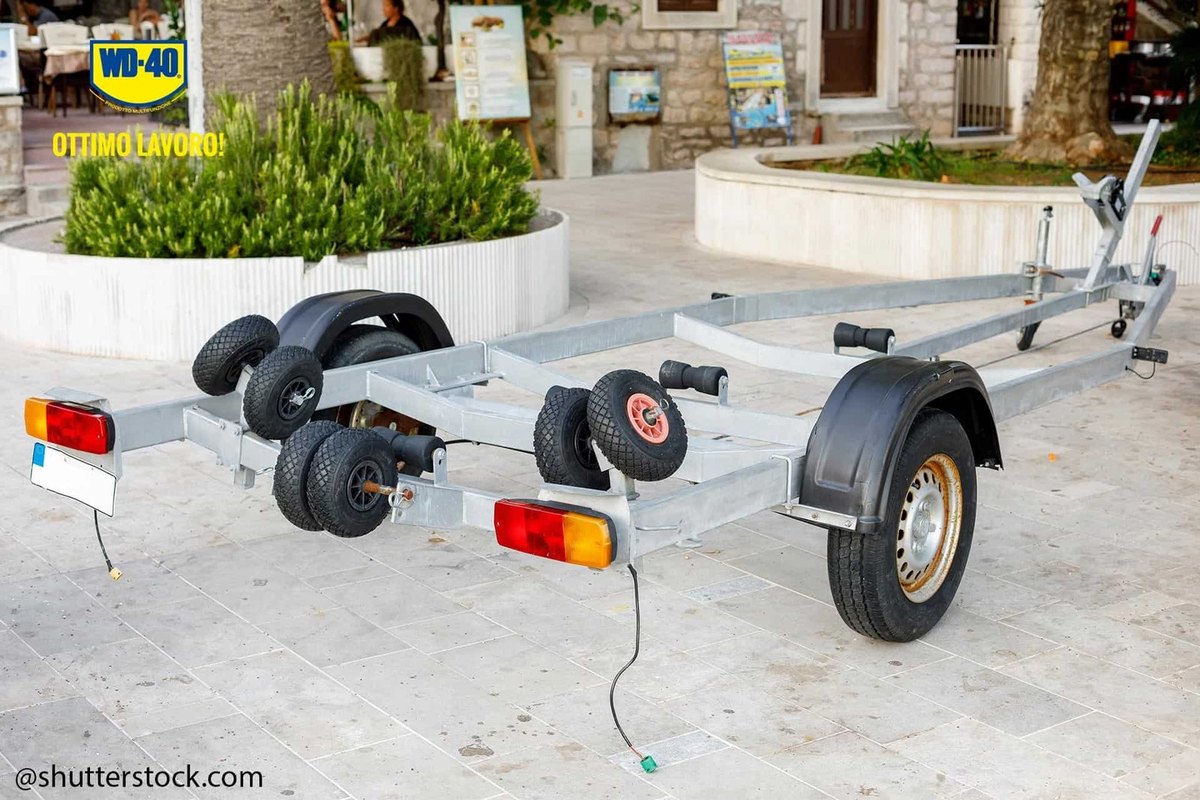
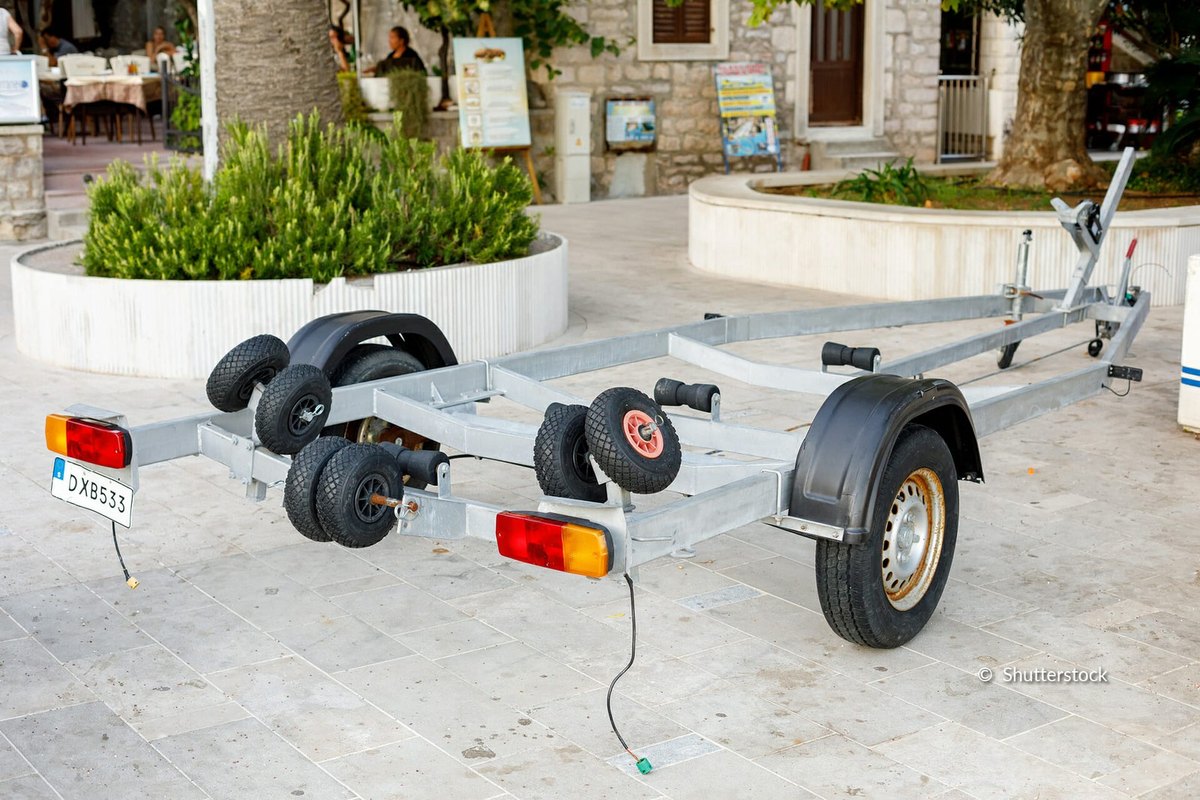
A boat trailer works in tough conditions: the weight of the boat, potholes, months of standing idle and wheels dunked in water at every launch. When it stands for long periods the grease dries out and the tyres age. Salt or muddy water leaves deposits, starts corrosion and is especially hard on the brakes.
That is why a boat trailer should be serviced before and after every trip, and most thoroughly before winter storage. A well kept trailer also passes its roadworthiness inspection without trouble.
What you will need
Important: Keep WD-40 and any lubricant off brake drums, shoes and tyre treads. Only treat electrical contacts with the trailer disconnected from the car.
Step 1
Wash the trailer after every launch
However often you use it, maintenance starts with a wash after each trip and before storage. Ordinary car shampoo and a hose are enough. After sea water this is essential: salt attacks every metal except stainless steel and badly damages brakes. River water full of sand and silt also clogs the mechanisms.
If the trailer has a brake flushing connector, attach a fresh water hose and flush the mechanism from inside.
Step 2
Service the overrun coupling
The overrun coupling does more than connect the trailer to the tow ball: it absorbs the push and pull between car and trailer when braking and pulling away. It usually has grease nipples on the body, so use a grease gun to pump fresh lithium grease into the damper.
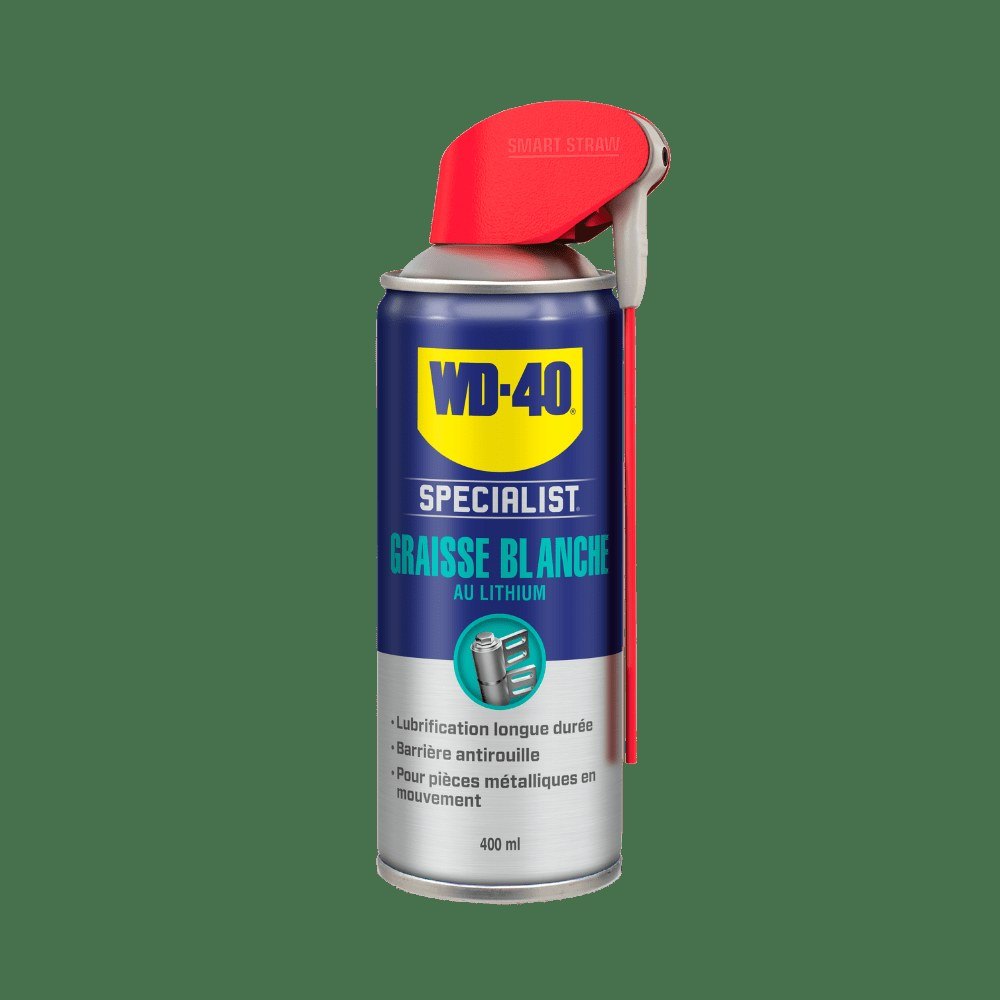
Lubricate all other moving parts, especially the area that contacts the ball, with WD-40 Specialist White Lithium Grease: it lasts a long time and is not washed off by water.
Step 3
Lubricate the winch and handbrake
The hand winch must turn smoothly without jerks or effort. Check the cable or strap for fraying, kinks and rust. Lubricate the gears, spindle and ratchet with WD-40 Specialist White Lithium Grease, and treat the parking brake mechanism with the same product.
Soak seized roller and bunk bracket bolts with WD-40 Specialist Penetrant and give it a few minutes before adjusting.
Step 4
Check the wheels and tyres
Before every trip check the tread and sidewalls for cracks, and check pressures with the tyres cold. In storage, tyres suffer from standing in one position for months: if you cannot raise the trailer on stands, inflate them 0.2 to 0.3 bar above normal and roll the trailer back and forth a little every few weeks.
Buy a spare of the same type, size and load index.
Step 5
Check the lights and protect the frame
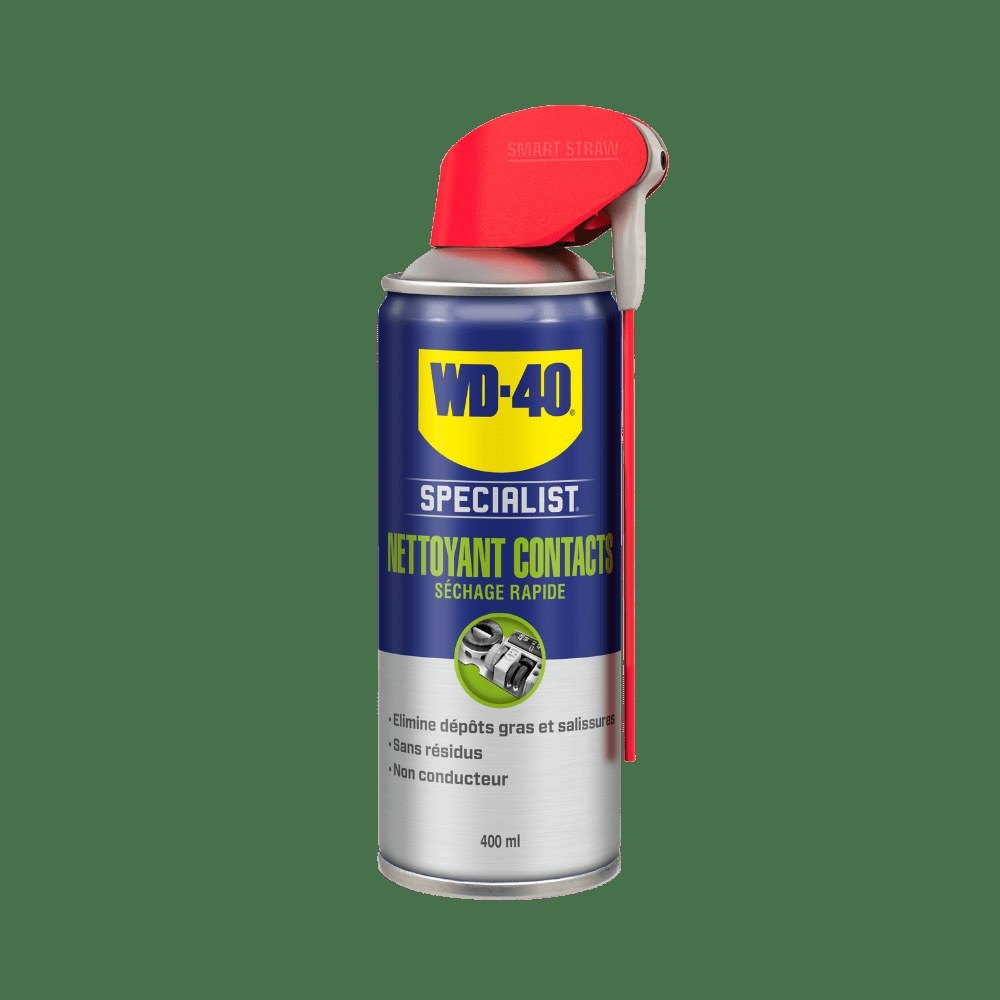
Before setting off, check the brakes and all lights: side lights, indicators, brake lights and rear fog light. The plug contacts and bulb holders suffer most from moisture, so treat them with WD-40 Specialist Contact Cleaner, which removes oxidation and restores a reliable connection.
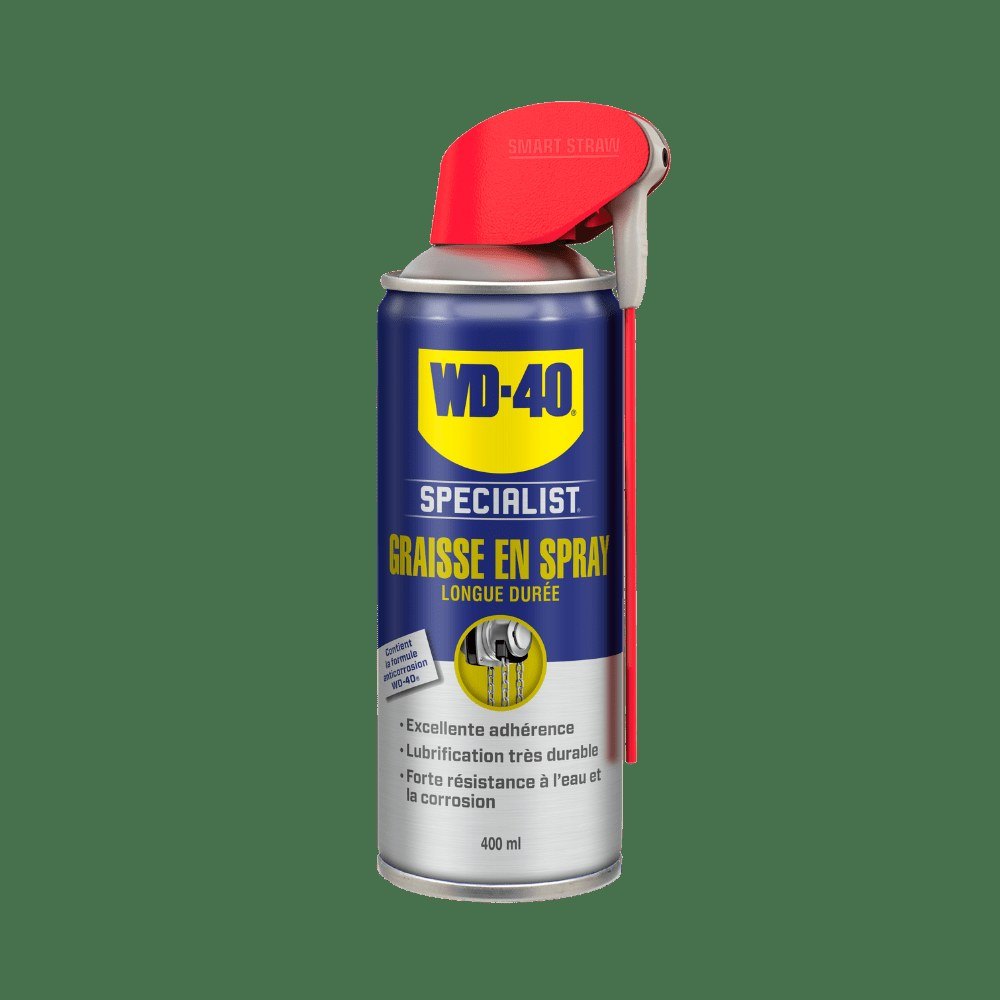
Treat the frame, brackets, bolted joints and leaf springs with WD-40 Multi-Use: it cleans and leaves a film that protects against oxidation. Grease any accessible bearings with white lithium grease.
Tip: Before backing the trailer into the water, let the hubs cool for at least 10 to 15 minutes after driving: a hot bearing plunged into cold water literally sucks water inside.
What next
Wash the trailer after every launch, lubricate the mechanisms once a season and before winter, and check the lights and tyres before every trip. Do not forget the boat itself and your car's tow hitch: WD-40 Multi-Use protects them too.
These uses come from the experience of WD-40 users in many countries. Always follow the instructions and warnings on the product label.
More guides in «How to use».