A submersible pump works underwater near the bottom of a well, borehole, pond or pool and pushes water upwards without a suction hose. A float switch turns it off when the level drops, so it does not suck up sludge.
Typical faults are a jammed impeller, a blocked delivery hose and a float switch that fails. Sand, silt and roots get in constantly, so service the pump at least once a season. It takes about 45 minutes.
What you will need
- microfibre cloths
- brushes of different stiffness and a small paintbrush
- a wooden scraper
- a wet vacuum or compressed air
- a screwdriver
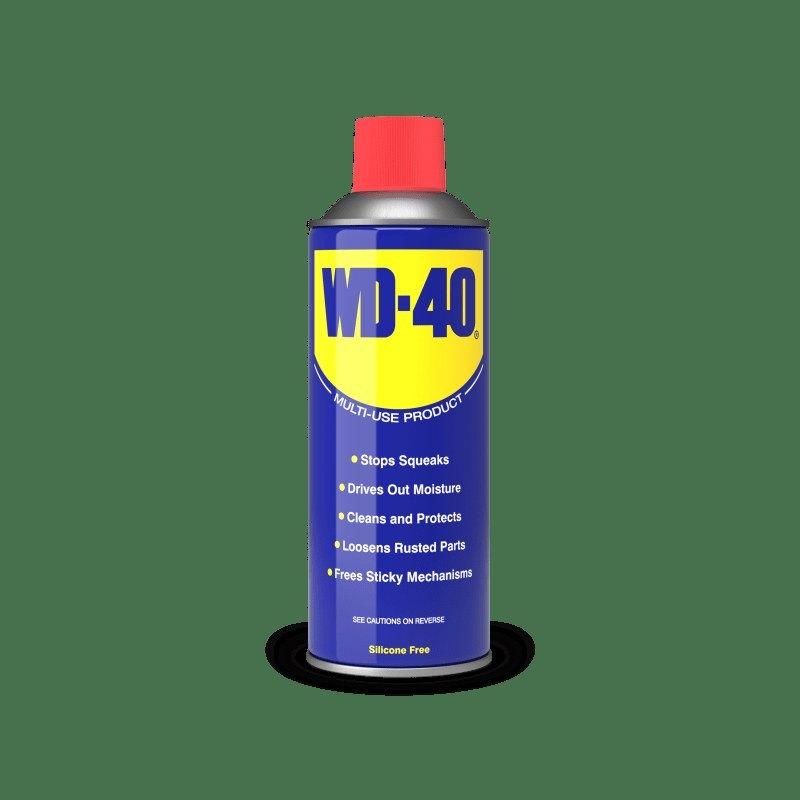
- WD-40 Multi-Use
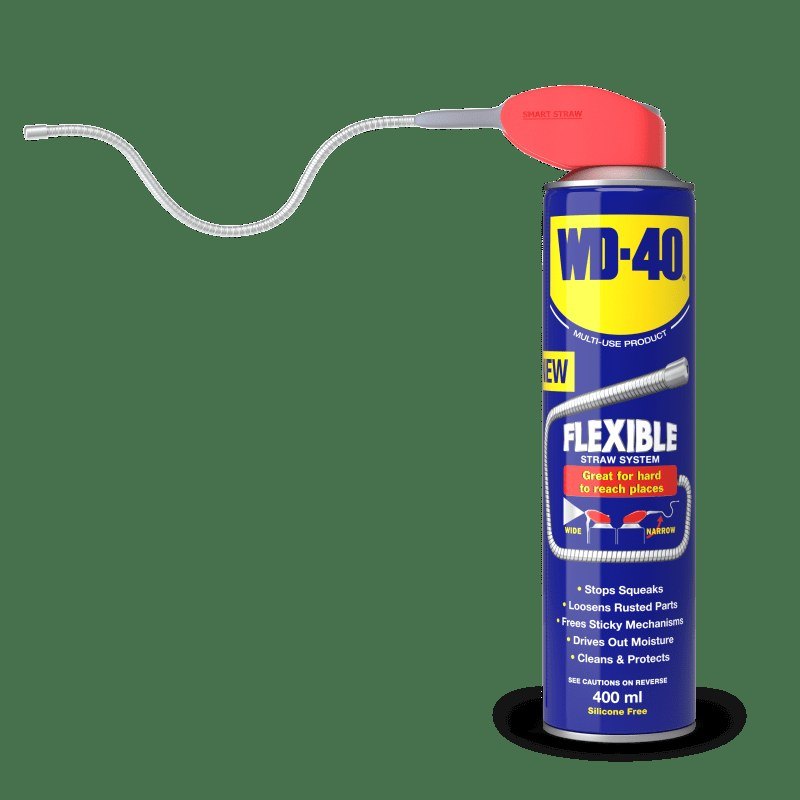
- WD-40 Smart Straw with a thin straw for hard-to-reach spots
Important: Before any work, disconnect the pump completely by unplugging it. Do not open the sealed electrical section: that is a job for a service centre. If the pump supplies drinking water, apply products only to mechanical parts, wipe off all excess and run the pump in a bucket of clean water before putting it back.
Step 1
Lift the pump out safely
Disconnect the power. Detach the delivery hose at the top, then raise the pump gradually by its safety rope, bringing the hose with it. Never pull on the power cable, and lift from deep wells with two people.
Let the water drain and lay the pump on a level surface.

Step 2
Clean the casing
A plastic casing does not rust, so washing and brushing off the silt is enough. A metal casing gradually picks up rust and limescale. After washing, spray it with WD-40 Multi-Use, give it a few minutes and scrub with a stiff brush, repeating if needed: it helps lift light deposits and protects the metal from oxidation.
Step 3
Remove the strainer and clean the intake
A grille at the bottom lets water in and keeps larger stones out. Undo its screws; if they are seized, spray them with WD-40 Multi-Use and wait a few minutes.
Clear sand, gravel and silt with a vacuum or wooden scraper and blow out fine dirt with compressed air. If the impeller was jammed, find the stone or root blocking it and remove it carefully.
Step 4
Clean and lubricate the impeller
The impeller has curved vanes, and deposits on them noticeably reduce the flow. Clean each vane with the brush and scraper, then rinse with clean water.
Use the thin straw of WD-40 Smart Straw to apply it to the impeller shaft and into gaps you could not otherwise reach. Turn the impeller by hand to spread it and check that it spins freely. Wipe off the excess and refit the strainer.

Step 5
Check the float switch
Inside the float there is usually a steel ball that switches the pump on or off depending on its position. Turn the float over a few times by hand: you should hear the ball roll. If you hear nothing, the switch is faulty and can only be replaced by a service centre.
Step 6
Do a test run
Before lowering the pump back, test it in a large bucket or barrel of clean water to confirm it works and the delivery hose is clear. Then return it and secure the rope.
Tip: Hang the pump clear of the bottom: 30-50 cm is usually enough to keep it from sucking up silt. Check your manual for the exact height.
What next
Service the pump at least once a year, more often for ponds and drainage pits. Before winter, lift out an idle pump, clean and dry it and treat the metal parts with WD-40 Multi-Use before dry storage.
These uses come from the experience of WD-40 users in many countries. Always follow the instructions and warnings on the product label.
More guides in «How to use».