Garden cutting tools come in two types. Some cut with a single blade like a knife: axes, hatchets, billhooks, grafting knives, scythes and sickles. Others work like scissors, with two blades on a shared pivot: pruners, loppers, hedge shears and pole pruners. The first need above all a keen edge, the second also need a healthy pivot.
A well kept tool cuts cleanly, does minimal damage to the plant and is easier to use. Sharpening and rust protection should always be done at the end of the season, before the tools are put away for winter.
What you will need
Important: Blades with dents, nicks or deep chips are best taken to a sharpening workshop: incorrect home sharpening, especially on shears and pruners with a precise factory angle, can ruin the tool for good.
Step 1
Sharpen axes and hatchets
Heavy blades are sharpened on a wet stone grinder that turns slowly and picks up water from a trough. The steel does not overheat or score and the stone does not crumble. An axe edge is not knife sharp but slightly convex, so rock the blade gently across the stone to keep that profile.
Step 2
Straighten thin blades
Scythes and sickles develop waves and nicks after hitting stones or roots. Rest the blade on a metal block and tap the damaged spot lightly with a hammer to even it out. Thin blades are best touched up little and often, even during work.
Step 3
Sharpen scythes and sickles
Wet the silicon carbide whetstone and stroke it alternately along each face of the blade, following the whole curve. It is slow work, especially on uneven sections, so take your time and keep your gloves on: a hand can easily slip onto the edge.
Coat the clean, sharpened blade with WD-40 Multi-Use. It displaces moisture and gives lasting protection against oxidation.
Step 4
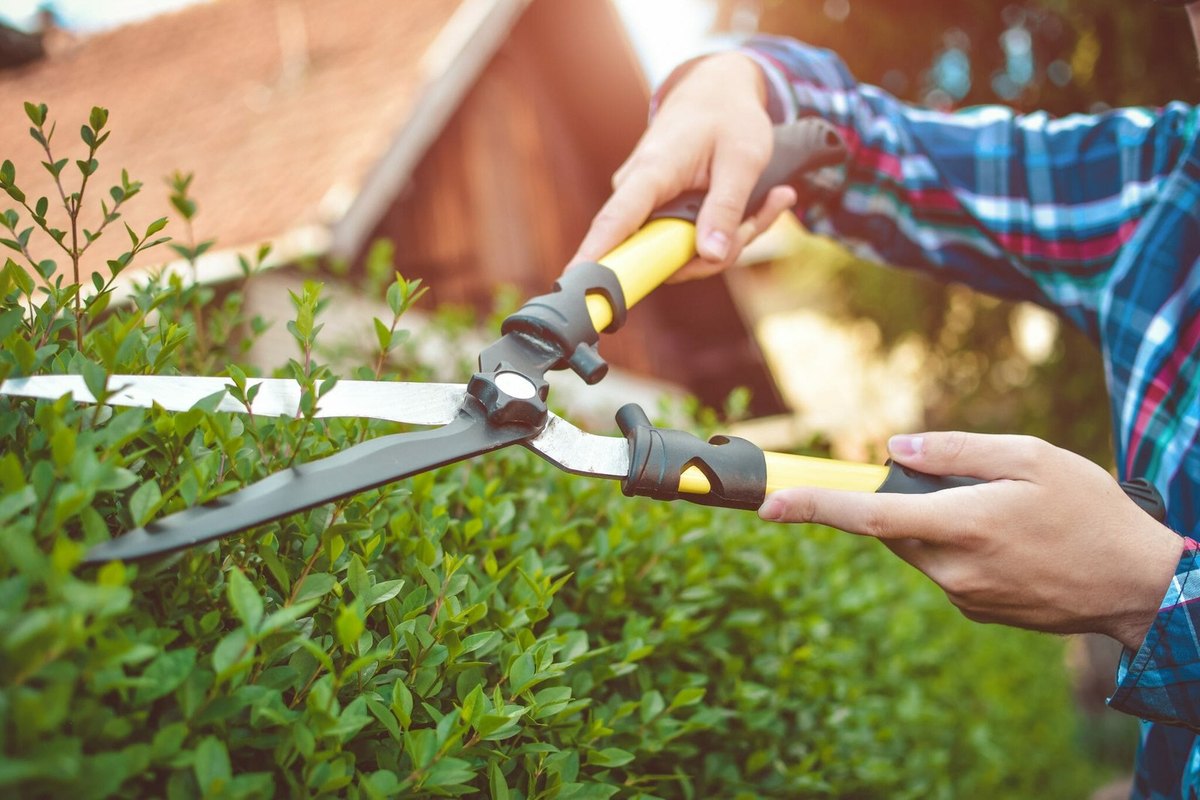
Check the pivot on pruners and shears
The pivot may be a bolt and nut or a riveted pin. Open the handles and check for play between the blades. If there is any, tighten the nut or gently peen the rivet: the blades should meet snugly without binding.
Step 5
Lubricate the pivot and protect the blades
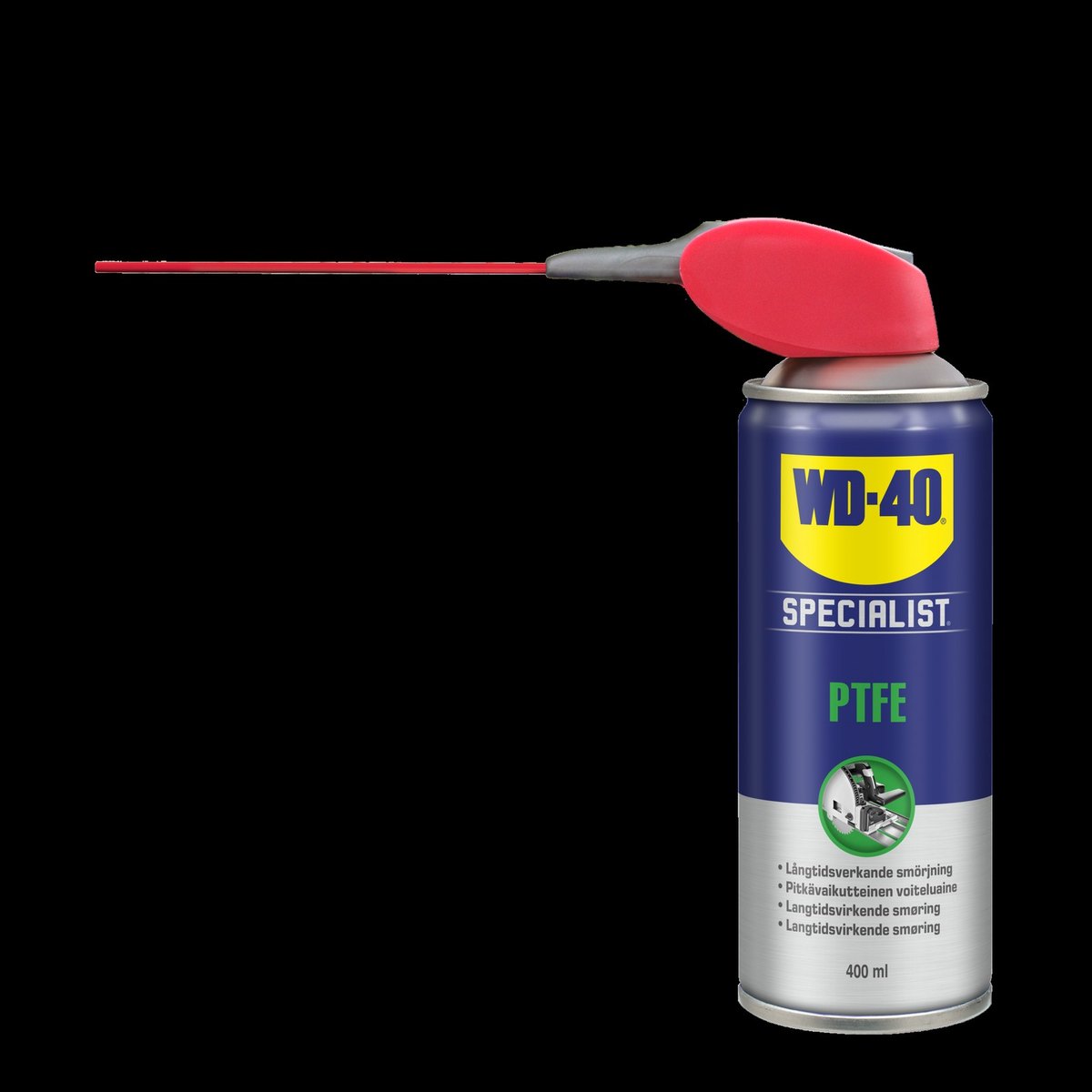
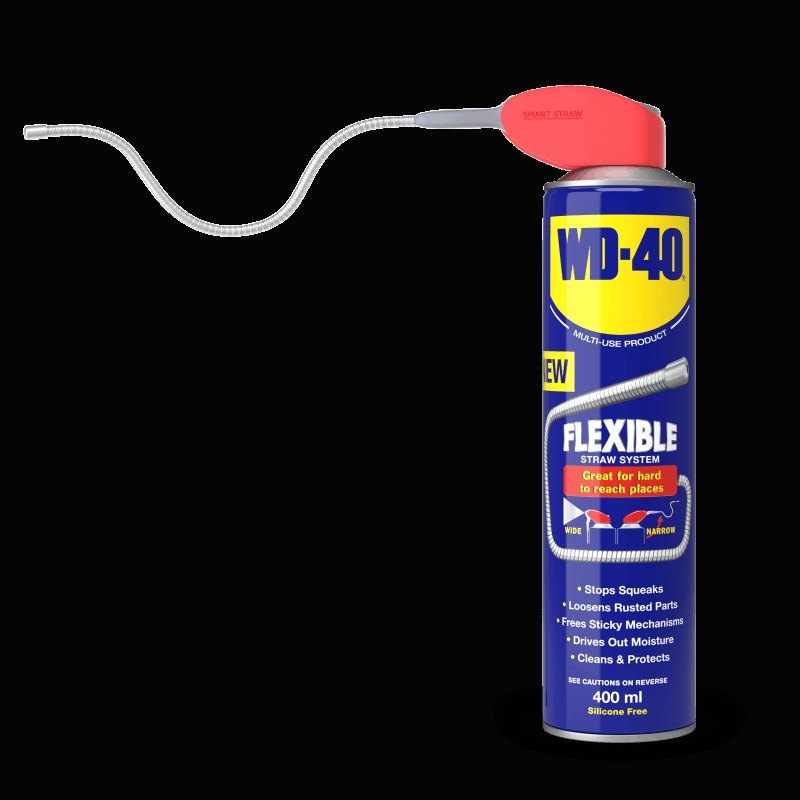
Apply WD-40 Specialist White Lithium Grease to the pivot: the thick lithium grease stays on the metal and reduces wear on moving parts. Open and close the tool a few times. For hard to reach spots, WD-40 Smart Straw with its precision straw is handy.
Wipe the blades and other metal surfaces with WD-40 Multi-Use and remove the excess so dust does not stick.
Tip: Before winter storage, remember the wooden handles too: treat dry, cracked wood with boiled linseed oil and treat the metal parts with WD-40. Hang tools in a dry place rather than leaving them on an earth floor.
What next
Wipe the blades after every use and do a full sharpen and lubrication at least once a year. For removing sap from shears and pruners, see our guide to maintaining pruning shears.
These uses come from the experience of WD-40 users in many countries. Always follow the instructions and warnings on the product label.
More guides in «How to use».