A tractor is expensive and has to earn its keep by getting large amounts of field work done in a short time. Its productivity and service life depend directly on how regularly and how well it is maintained.
Every manufacturer supplies a detailed operator and maintenance manual with service intervals in engine hours, and that is always your first reference. Tractor models vary widely, so below are general rules that suit most machines on Ukrainian farms, where tractors work in dust, mud, wet black soil after rain and frost.
What you will need
Important: Always take the intervals for changing oil, filters and fluids from your tractor's manual. Before any maintenance, switch off the engine and lower implements to the ground, and disconnect the negative battery terminal before working on the electrics.
Step 1
Daily care during the season
During the busiest periods, dust and heavy work take a real toll on the tractor, so a few jobs are worth doing every day.
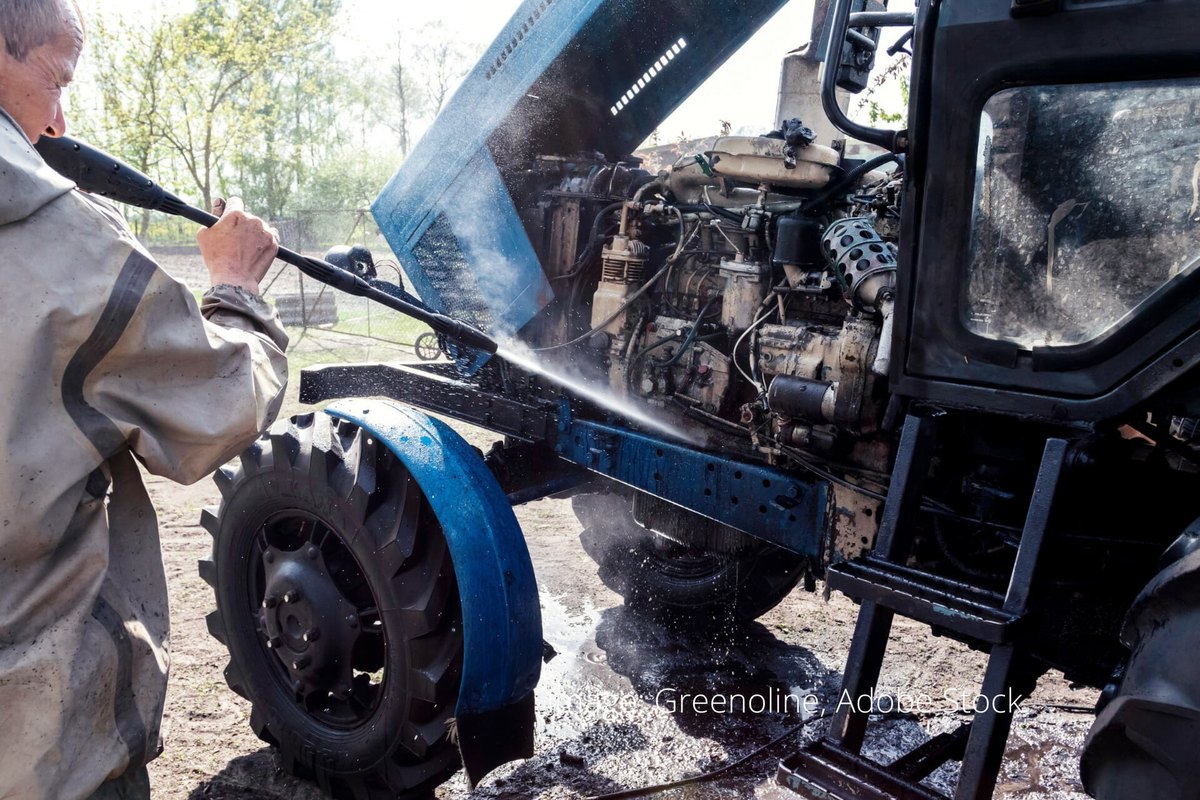
Pressure wash the dirtiest, muddiest areas: caked-on dirt and plant debris hold moisture and damage mechanisms. Do not aim the jet directly at connectors, bearings or seals.
Blow out the radiator and its protective grille with the compressor, as a layer of dust impairs cooling. Do the same with the air filter so the engine gets enough clean air. After washing, treat exposed metal parts with WD-40 Multi-Use to displace moisture and protect them from rust.
Step 2
Routine engine maintenance
The engine is serviced at the engine-hour intervals in the manual, and more often after long, heavy work, before the season or before winter storage.
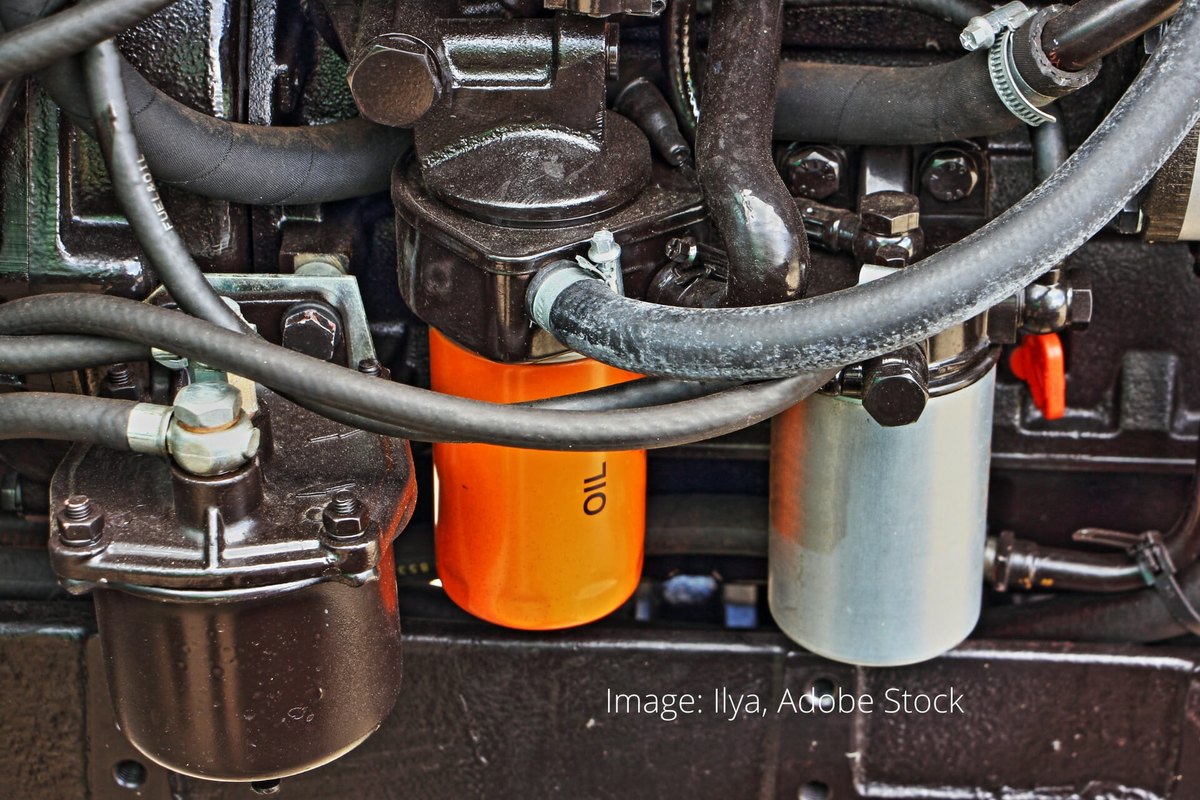
Check the engine oil level and top up or change it depending on hours worked and condition. The same goes for hydraulic and transmission oil. Replace the oil filter and other filters, and check the brake fluid level.
Inspect the fuel pump and filter separately. Checking the water separator is especially important, as water in diesel fuel damages the injection system.
Step 3
Greasing joints and moving parts
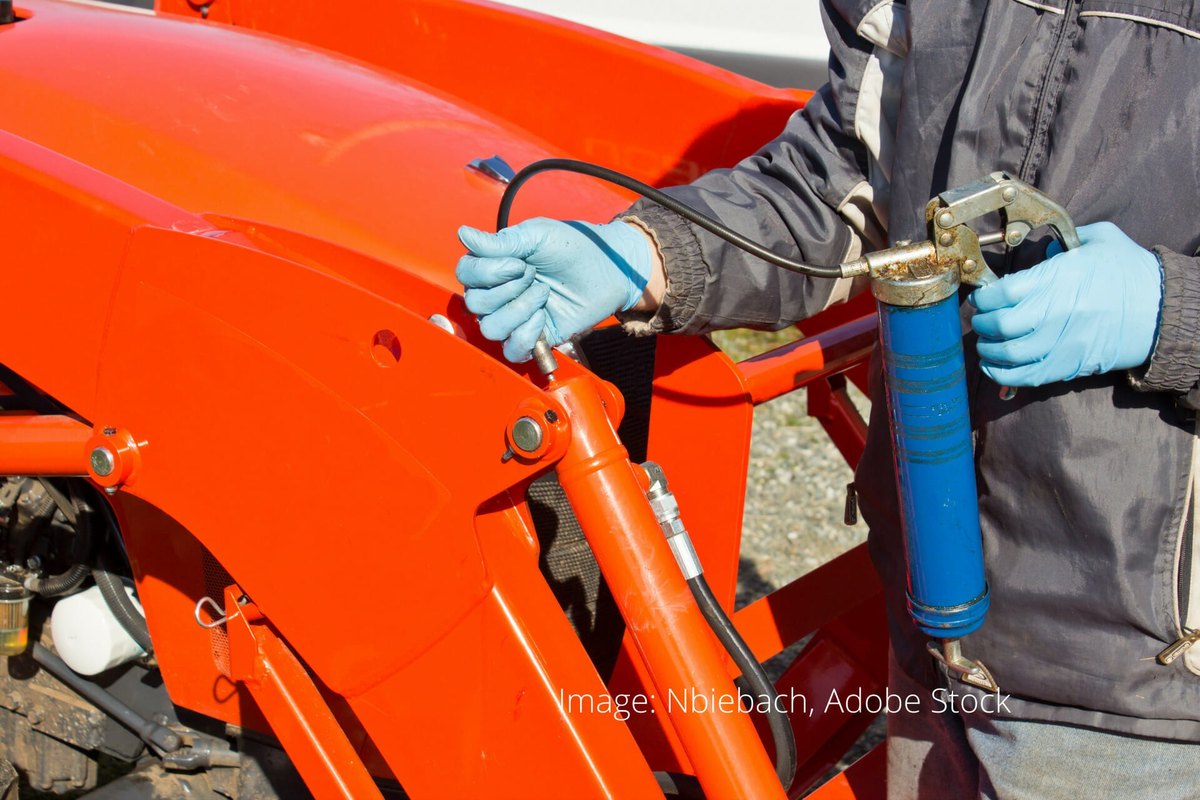
Shafts, joints, hinges, implement linkages and other components have grease nipples that are serviced with a grease gun on the manufacturer's schedule.
Treat all other friction points without a nipple with WD-40 Specialist Long-Lasting Spray Grease, even daily at the end of work. It stays put, does not run off and protects against wear and moisture.
For loaded metal joints, cab door hinges, linkages and locking pins, WD-40 Specialist White Lithium Grease is handy: it lasts a long time and is not washed off by rain.
Step 4
Electrics and battery
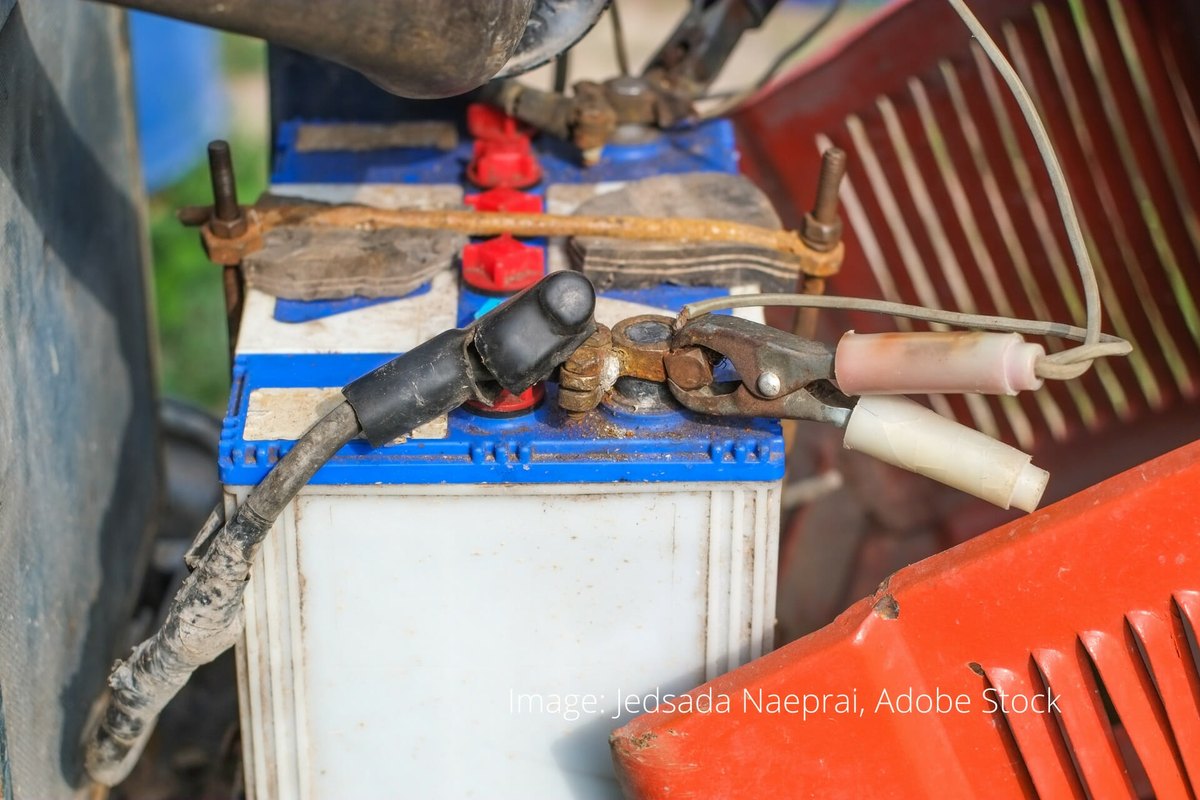
Check the battery charge and that everything it powers is working. Remove any oxidation from the terminals, especially the positive one, straight away.
Open and inspect the fuse box, as well as the connectors around the machine. The job is much easier with WD-40 Specialist Contact Cleaner, which dissolves grease and deposits, displaces moisture and dries quickly without leaving a film.
Step 5
Hydraulics and fixings
Check regularly that nuts and bolts are tight. Seized fixings are easier to undo after treatment with WD-40 Multi-Use.
Pay particular attention to the hydraulic hoses, which carry high-pressure fluid for lifting and drives. If you find cracks or leaks, replace the hose immediately. Never check for a leak with your hand, as a jet under pressure is dangerous.
Tip: Before winter storage, wash the tractor thoroughly, let it dry, grease all the joints and treat exposed metal with
WD-40 Multi-Use. Remove the battery and keep it charged somewhere warm. Come spring, the tractor will start without surprises.
What next
A well-maintained tractor lasts longer and spends less time standing idle at the height of the season. Stick to the intervals in the manual, clean and grease moving parts daily, and give the electrics and hydraulics a thorough check once a season.
These uses come from the experience of WD-40 users in many countries. Always follow the instructions and warnings on the product label.
More guides in «How to use».