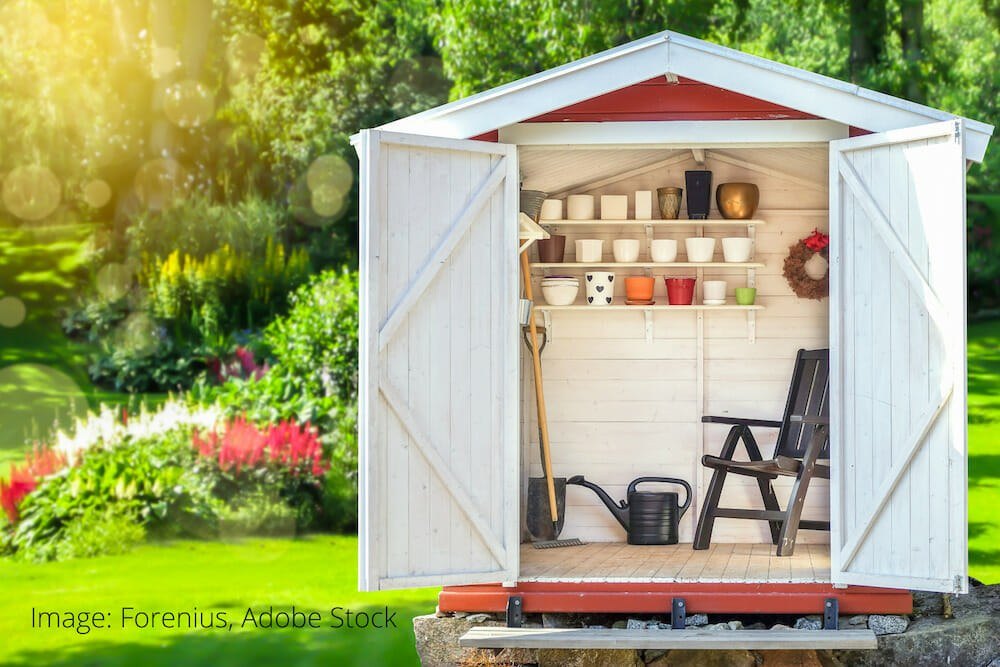
A garden shed keeps your tools, mower and outdoor furniture out of the weather. But wood is a natural material, and wind, rain, sun, frost and ice slowly break it down. With big temperature swings and wet springs, paint can start cracking after just a few seasons.
Ideally, inspect and service the shed twice a year: in spring at the start of the season and in autumn before the cold arrives. A couple of weekends of work adds years to its life.
What you will need
Important: Paint in dry weather with no rain forecast and temperatures above freezing. Wear goggles and a dust mask while sanding.
Step 1
Inspect the shed
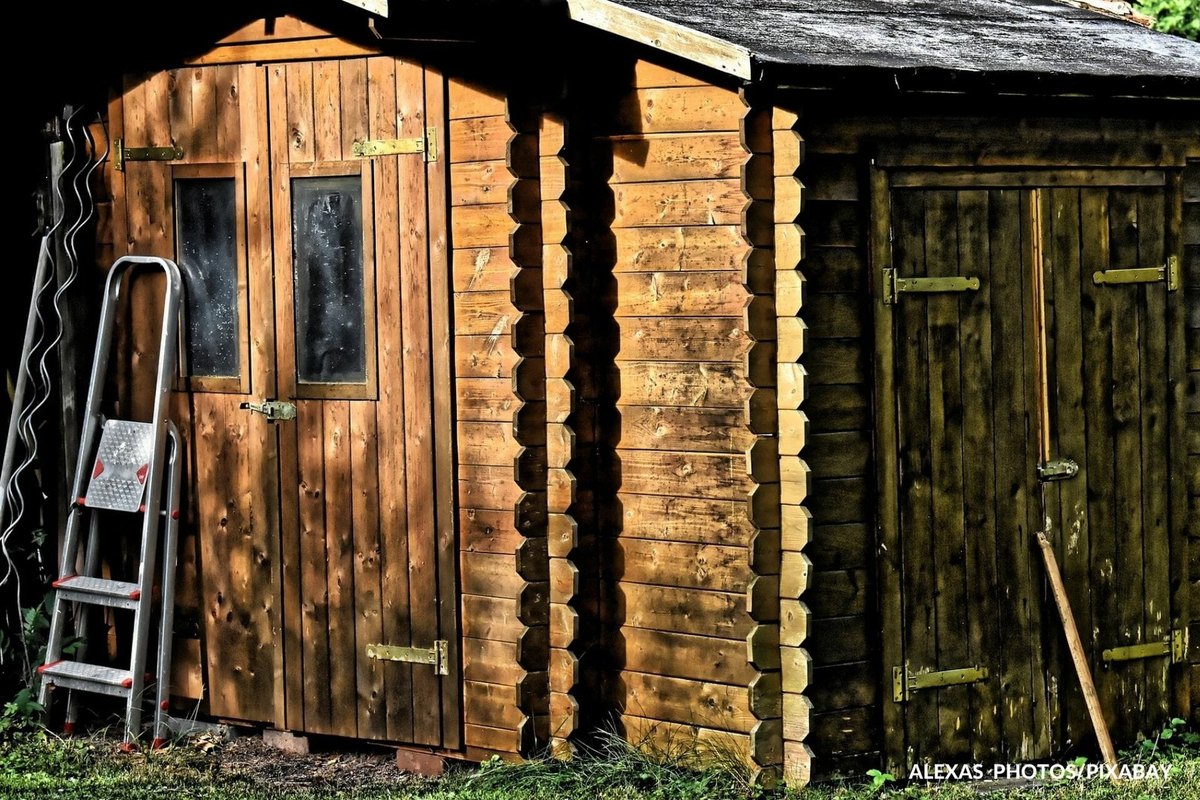
Start with a full check: roof, walls, windows and door. Look separately at the metal parts: screws, hinges, locks and bolts.
Make a list of what needs doing and get all the materials ready in advance so you are not interrupted halfway through.
Step 2
Sand the damaged areas
Wherever paint has cracked or is lifting, the wood needs sanding back. By hand, start with the coarser paper and move to the finer one within the 180-240 range, always along the grain.
A sander does the same job faster and with less effort. Afterwards, remove the old paint dust with a brush or cloth, or better still, blow it off with compressed air.
Step 3
Apply the paint
Stir the paint thoroughly: some products need thinning, others are ready to use. Mask seals, plastic parts, locks and handles with tape.
Load the brush, remove the excess and paint the boards with horizontal strokes, starting at the top of the wall. Finish each wall in one go to avoid patchiness, and do not forget hidden spots such as the edges under windows. Paint usually dries in about 5 hours, so start in the morning.
Step 4
Service the windows and seals
Window frames are usually wooden too and need the same care. Remove the sashes, mask the glass to avoid scratches, sand and paint with a suitably sized brush.
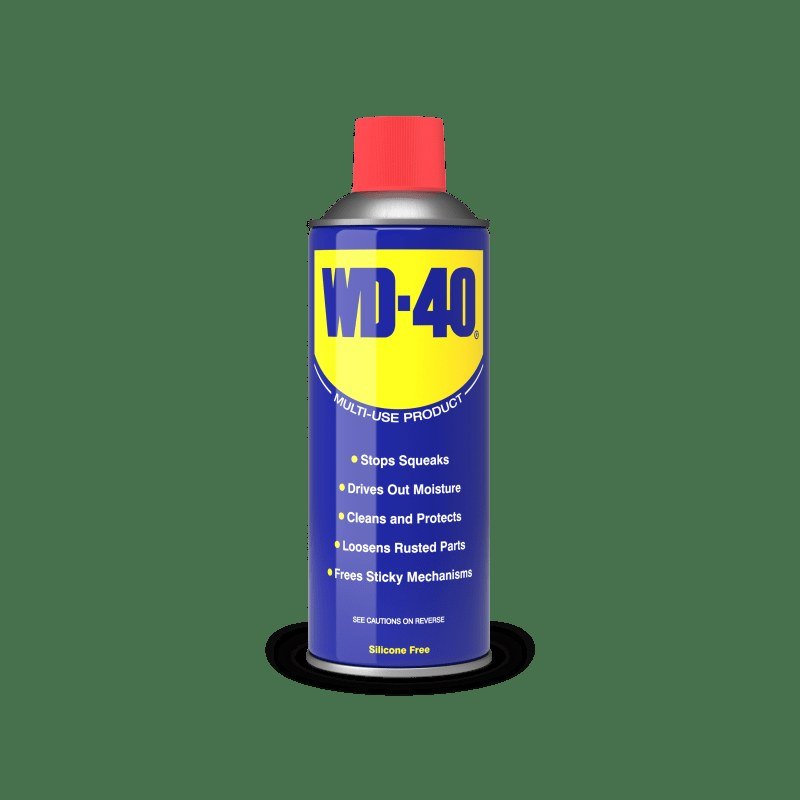
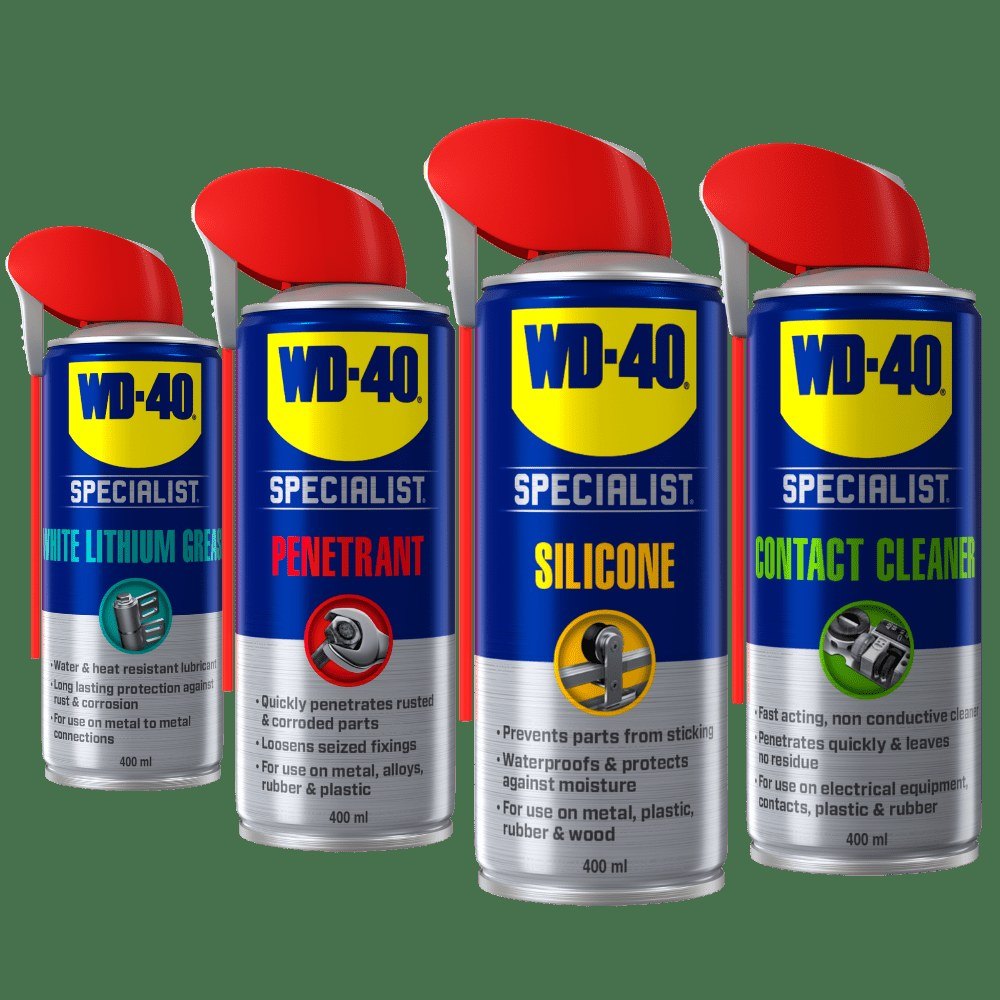
Check the rubber or silicone seals between glass and frame. To stop them hardening and cracking, treat them with WD-40 Specialist Silicone; they will stay flexible and keep warmth in and damp out.
Step 5
Protect hinges, locks and handles
Moisture rusts metal: hinges squeak, the door sticks and the lock can jam in the middle of winter. Treat a seized padlock or bolt first with WD-40 Specialist Penetrant and wait a few minutes.
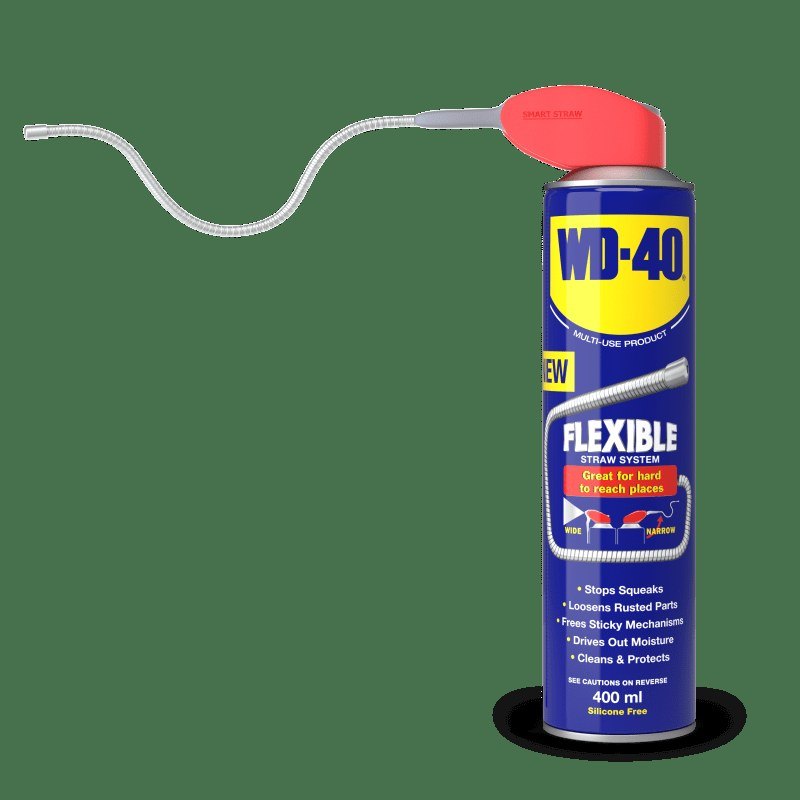
Then apply WD-40 Smart Straw through the thin straw into the lock, onto the hinges, handles and rubber door seals, and spread it with a soft cloth. WD-40 Multi-Use lubricates, displaces moisture and protects against corrosion.
Tip: In autumn, before locking up for winter, spray
WD-40 Multi-Use on every hinge and lock. In spring the door will open smoothly and silently, even after hard frosts.
What next
Inspect and lubricate the hardware twice a year and repaint every few seasons or as soon as the paint starts to crack. A well-kept shed stays dry for a long time and protects everything stored inside it.
These uses come from the experience of WD-40 users in many countries. Always follow the instructions and warnings on the product label.
More guides in «How to use».