A winter of thaws followed by hard night frosts is tough on locks. Water from wet snow, rain or a car wash gets into the cylinder and turns to ice overnight. The key then refuses to go in or will not turn, and the lock on a gate, garage, letterbox or car door is stuck fast.
Never force it: a key snapped in the cylinder means calling a locksmith. Here is how to thaw the lock calmly, drive the water out of the mechanism and protect it for the rest of the season.
What you will need
Important: Do not pour boiling water over a lock or car glass: the water refreezes quickly, and the sudden temperature change can damage glass or paintwork. If you heat the key, hold it in a glove.
Step 1
Work out what has frozen
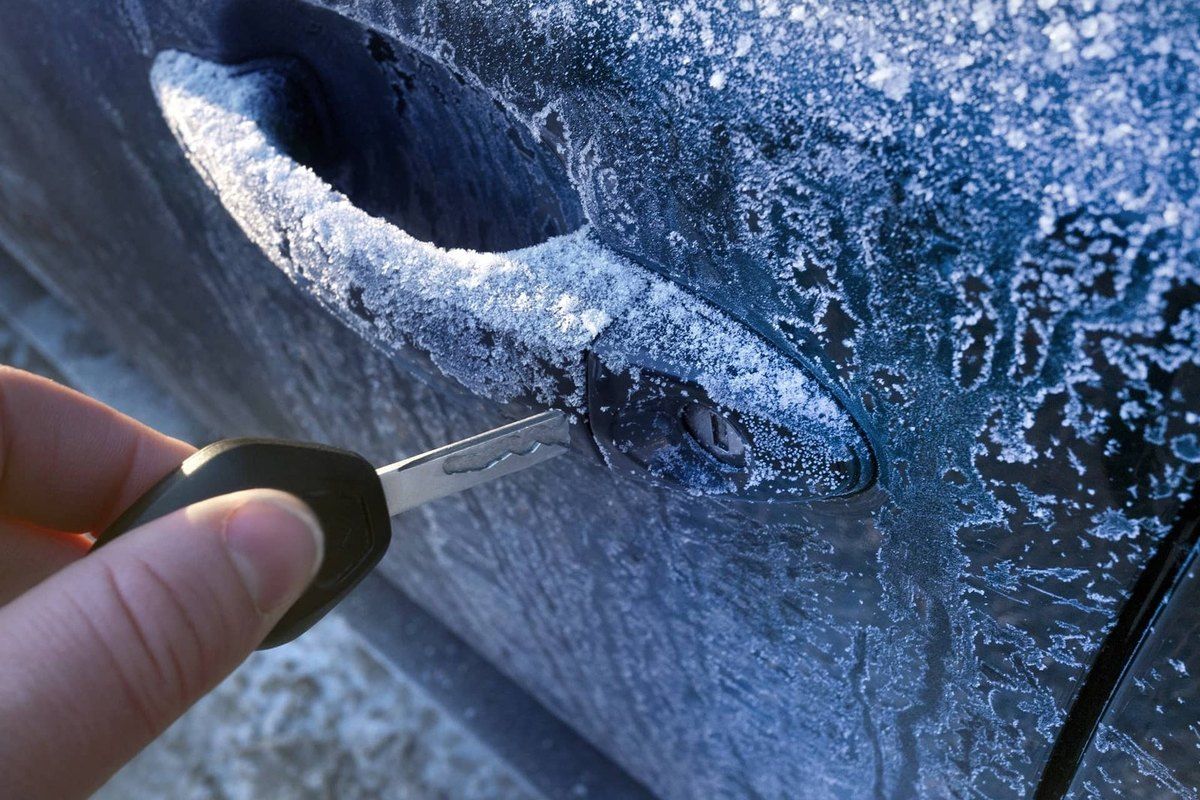
Gently insert the key and try a full turn. If the key turns but the door still will not open, the seal or the whole door has probably frozen to the frame rather than the cylinder. If the key will not go in or will not move at all, the lock itself is the problem.
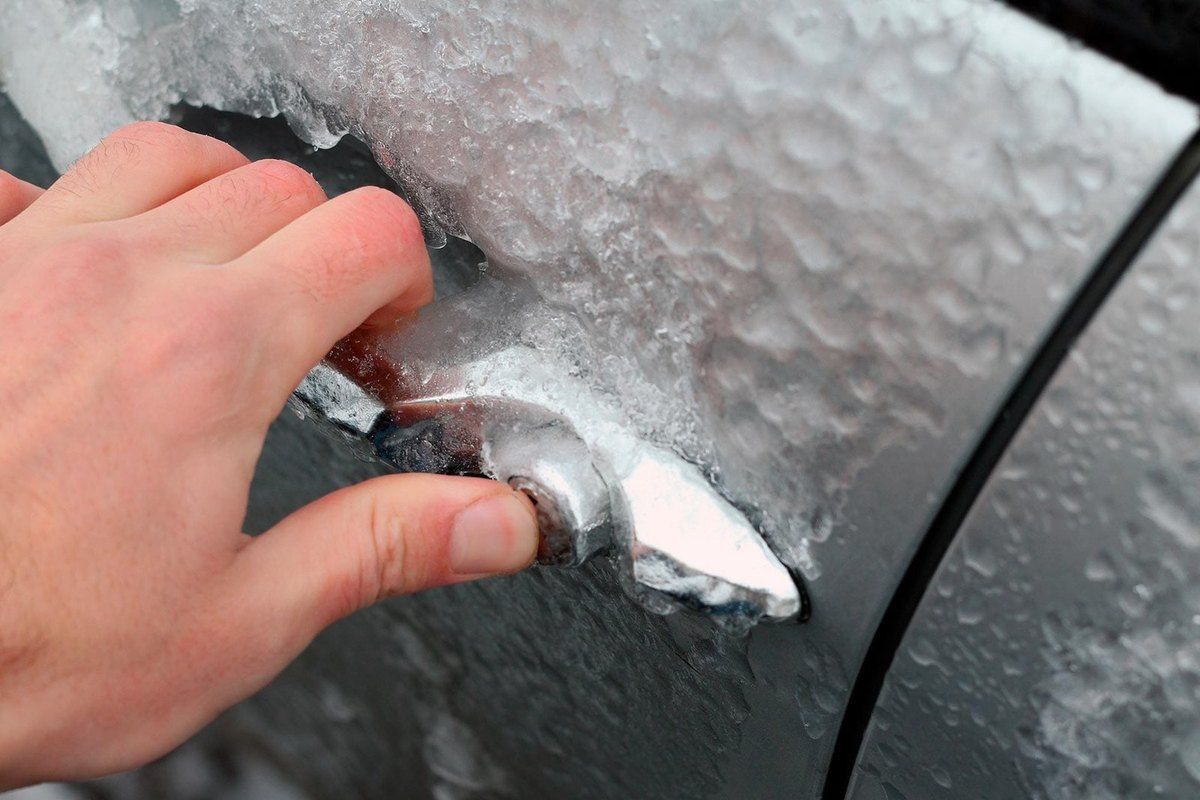
A little pressure on a car door or gate can break a thin layer of ice. Be careful with windows and plastic parts.
Step 2
Spray WD-40 into the keyhole
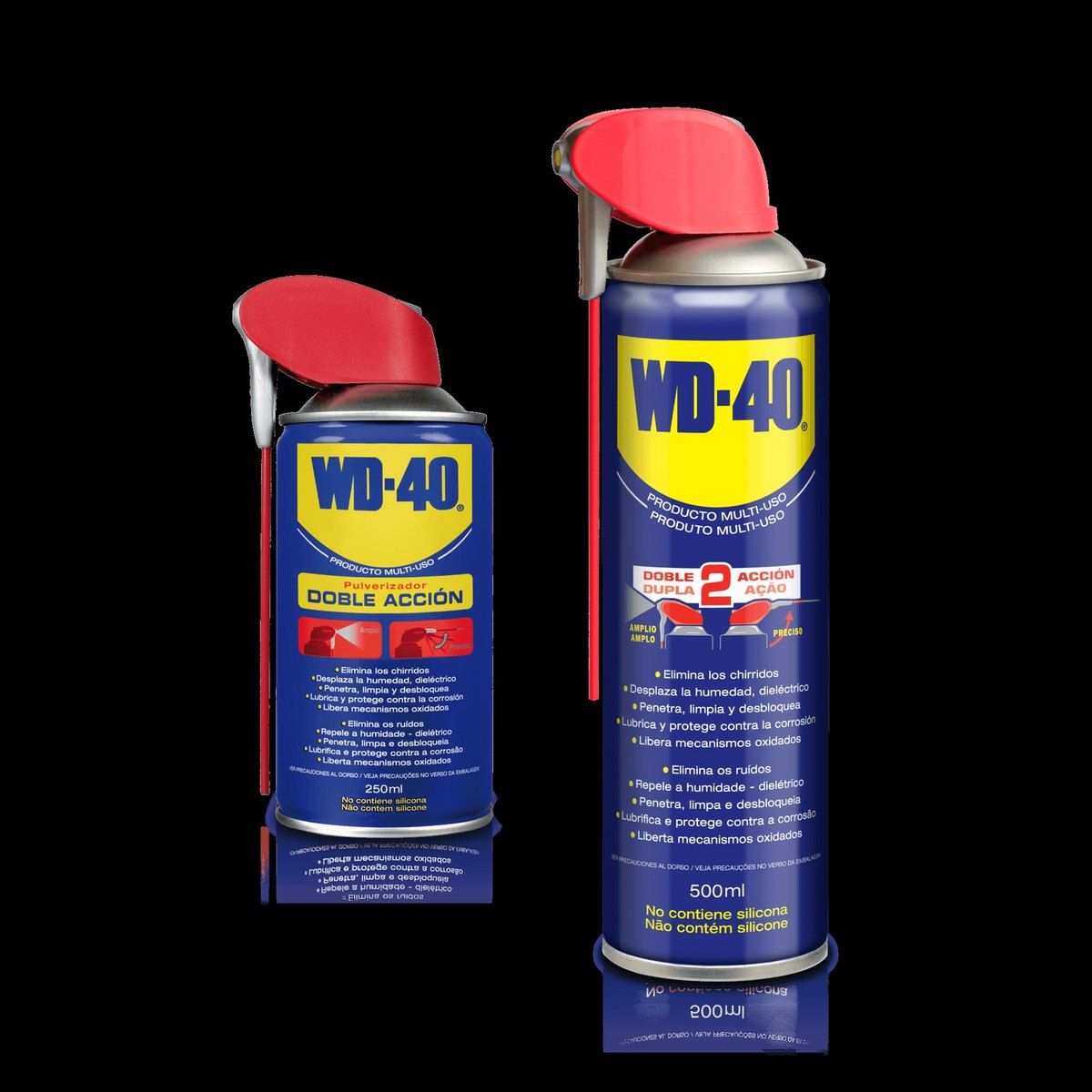
Point the WD-40 Smart Straw straight into the keyhole and give a short burst. Treat the area around the cylinder too. On a car, use the tip of the key to push back the protective shutter so the product gets inside.
The formula works its way between metal and ice, displaces moisture and helps the parts move again. Leave it for 1-2 minutes.
Step 3
Add heat if the ice is thick
When there is a lot of ice, warm the lock with a hair dryer for a few minutes, holding it 10-15 cm away. The heat is even and the melted ice runs out of the mechanism.
With no socket nearby, you can warm the key blade with a lighter while holding it in a glove, then insert it. This is slow, because the cylinder cools the key again, so you will need several attempts. A padlock can simply be brought indoors on a towel.
Step 4
Work the mechanism gently
Insert the key and turn it lightly back and forth without force. If you feel resistance, spray again and wait another minute. After a few cycles the key should move freely.
Once open, wipe any water off the seals and around the lock.
Step 5
Protect the lock from freezing again
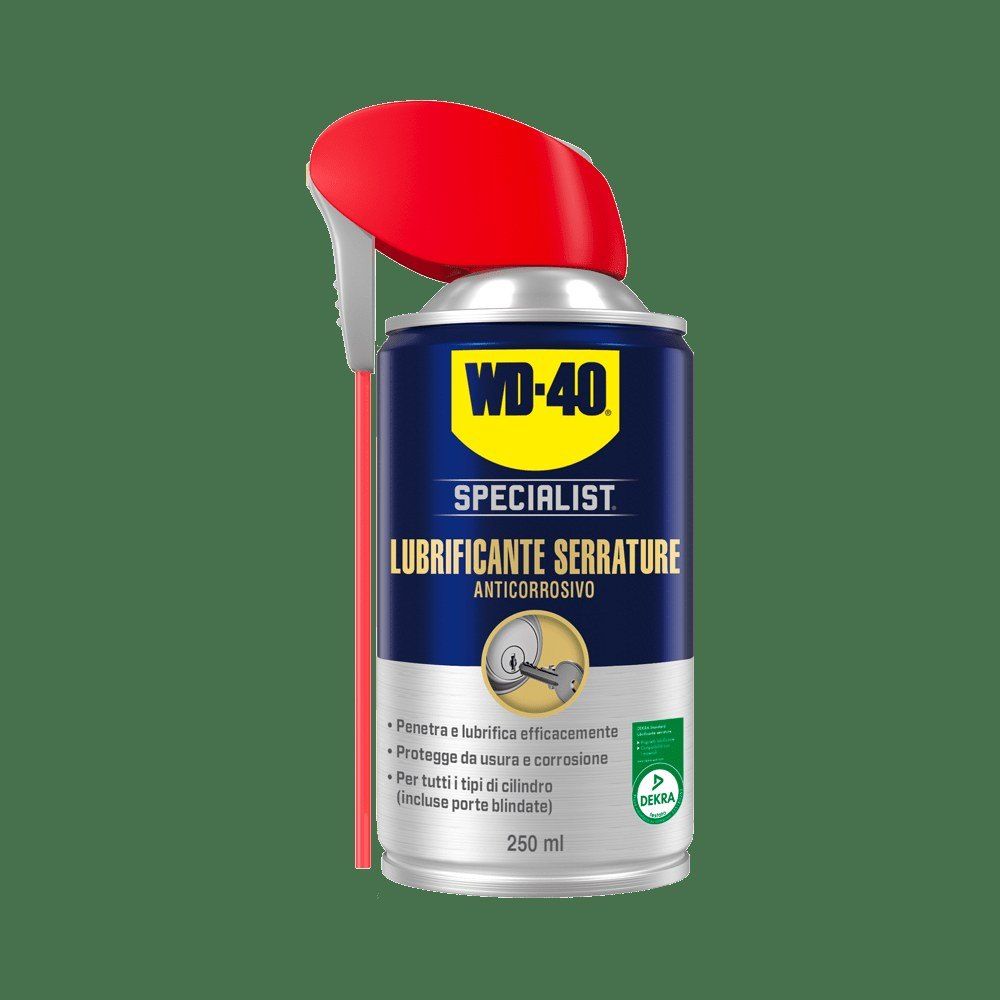
When the mechanism has thawed, treat the keyhole once more with WD-40 Multi-Use. It leaves a water-repellent film that stops moisture settling in the cylinder and protects the metal from rust. Blot any excess with a microfibre cloth.
Repeat after every car wash, before a forecast frost and after wet snowfall.
Tip: Keep a
WD-40 100 ml can in your coat pocket or bag rather than inside a car with frozen doors. That way it is to hand exactly when you cannot get into the vehicle.
What next
Prevention is easier than thawing: treat outdoor locks at the start of the cold season and then every 3-4 weeks. Garage, gate and letterbox locks benefit from the same WD-40 Multi-Use treatment, so they last longer and work reliably in the frost.
These uses come from the experience of WD-40 users in many countries. Always follow the instructions and warnings on the product label.
More guides in «How to use».