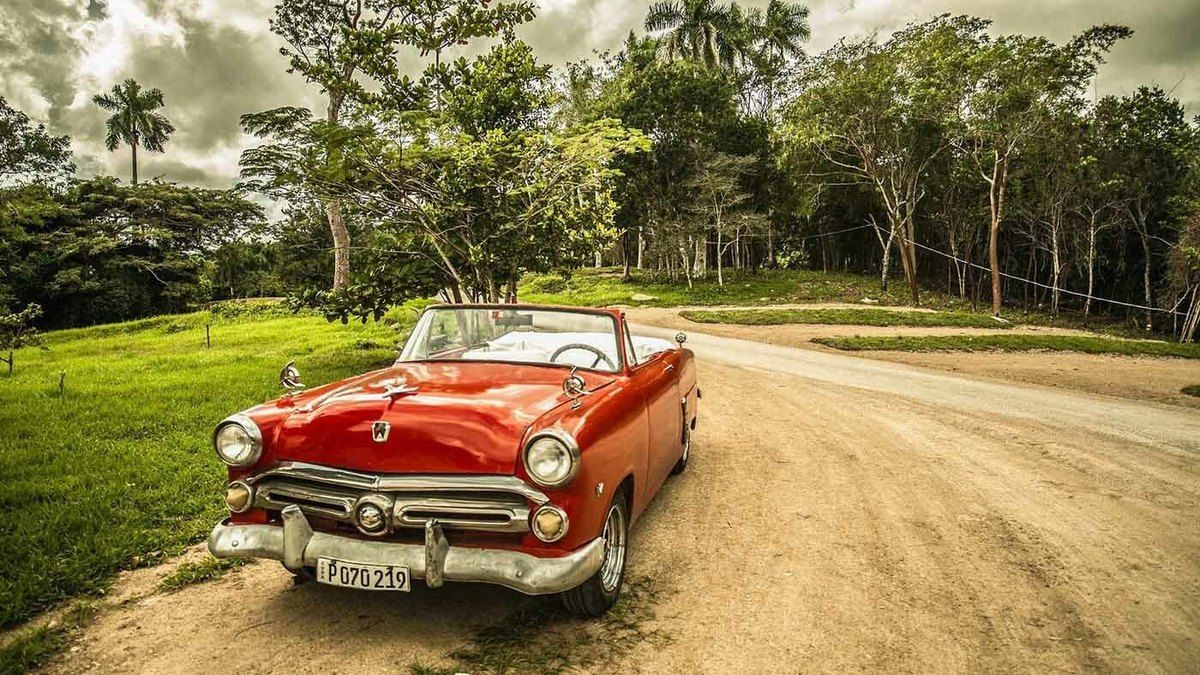
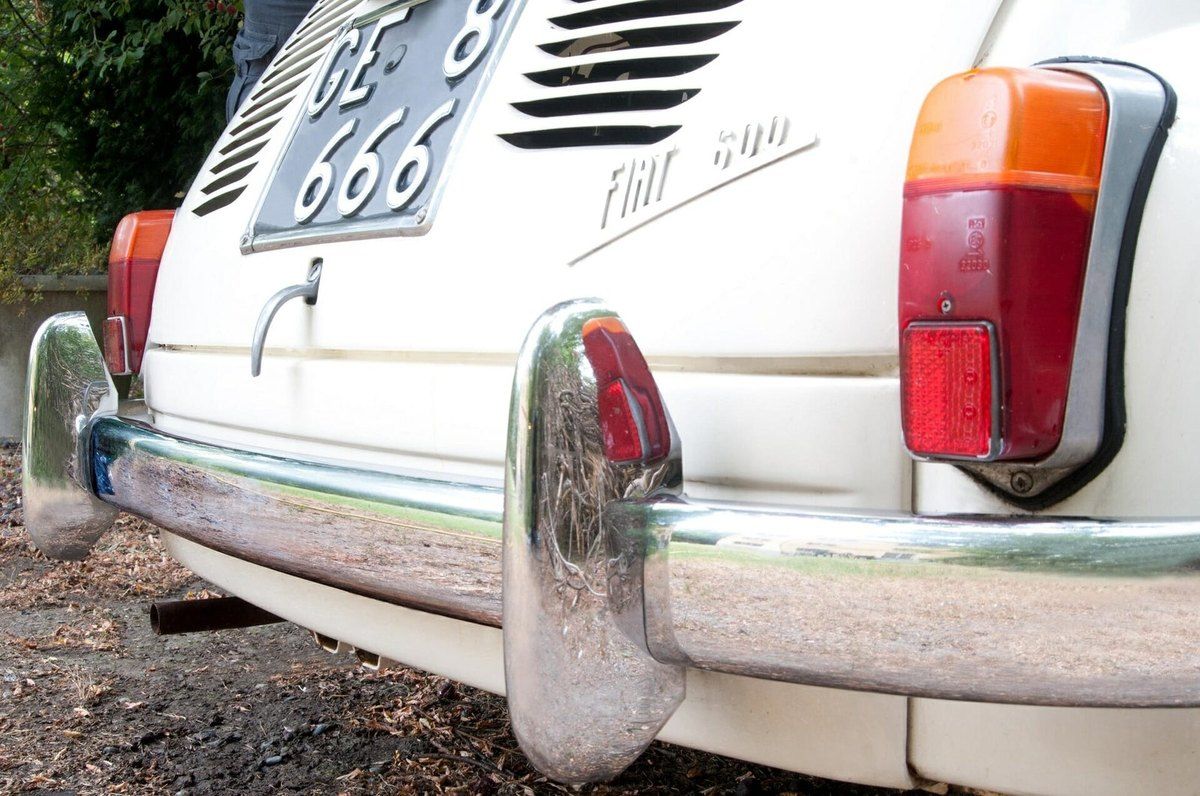
Cars built up to the 1960s were lavishly trimmed with chrome: bumpers, handles, mirror arms, hubcaps, exhaust tips. Over the years the plating oxidises, dulls from grit and weather and, in the worst cases, becomes pitted with tiny spots of corrosion.
Most parts can be brought back to a shine with a careful wash and a wax polish. Deep pitting and flaking chrome are a job for a re-chroming specialist and cannot be rubbed out.
What you will need
- a bucket of warm water and a mild car shampoo
- a sponge and a wool wash mitt
- soft microfibre cloths
- a carnauba chrome polish or wax
- a dual-action or rotary polisher with a wool pad (optional)
- WD-40 Multi-Use
- WD-40 Smart Straw for gaps and fittings
Important: Never rub chrome with abrasive pads, paint compounds or a stiff brush: old plating is thin and scratches easily. Use a machine only at low speed and only on large, flat surfaces.
Step 1
Inspect the chrome parts
Before you start, assess the chrome in daylight. Dullness, marks and light surface rust respond well to cleaning. Blistering, flaking and through-pitting mean the plating is already damaged and the part is better sent for re-chroming.
Check the lower edges of bumpers and their mountings carefully: that is where water and winter salt linger longest.
Step 2
Wash the chrome thoroughly
Wet the chrome to rinse off grit, then wash it with warm shampoo, a sponge and a wool mitt without pressing. Spray tar, grease and stubborn road film with WD-40 Multi-Use and leave it for 3 to 5 minutes: it softens the deposits so they lift without rubbing.
Go over it once more with shampoo and rinse under running water.
Step 3
Dry and drive moisture out of the gaps
Dry the chrome with microfibre. Water trapped in bumper joints, under handles and in bolt heads feeds corrosion for years, so aim WD-40 Smart Straw with its thin straw into those spots: it displaces the moisture and protects the fixings.
Wipe off the excess so it does not interfere with the polish.
Step 4
Apply chrome wax
Shake the carnauba-based polish and spray it evenly onto clean, dry chrome from 10 to 20 cm, moving the can smoothly. This kind of wax is non-abrasive, adds shine and leaves a water-repellent layer that rain and mud slide off.
Step 5
Buff to a shine
Once the wax has soaked in and hazed slightly, polish the chrome with a clean microfibre cloth using even strokes. The longer you work, the deeper the shine.
Large flat surfaces such as bumpers can be finished with a wool pad on a polisher or drill at low speed for a more even, longer-lasting gloss.
Tip: After polishing, refresh the rubber seals next to the chrome with
WD-40 Specialist Silicone applied to a cloth: old rubber becomes more supple and will not stick to the body in frost.
What next
Wash and polish a classic car's chrome several times a season, and before winter storage give every chrome part a thin coat of WD-40 Multi-Use. In spring, simply wipe it down and polish again.
These uses come from the experience of WD-40 users in many countries. Always follow the instructions and warnings on the product label.
More guides in «How to use».