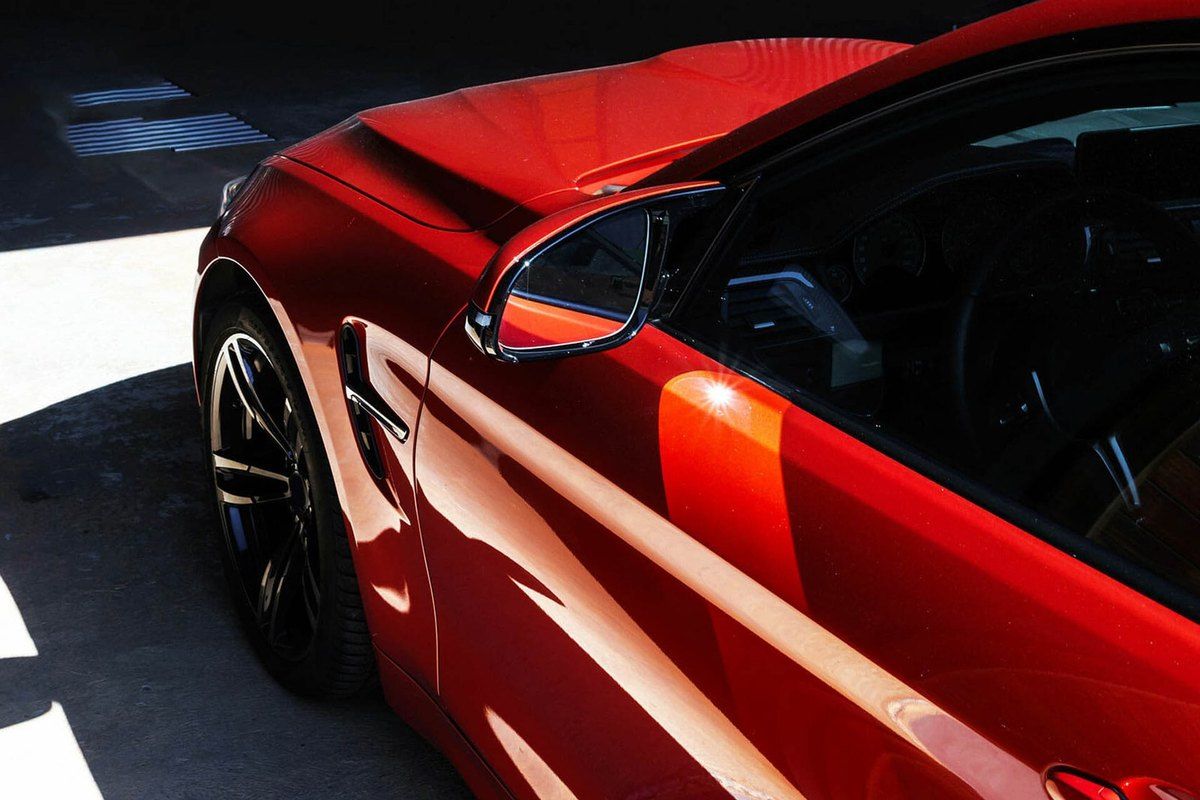
Dust, sun, road chemicals and fine scratches gradually dull the paint. Polishing restores depth of colour, and a layer of wax makes water run off faster, so the metal spends less time in contact with moisture and resists corrosion for longer.
Even an older car looks noticeably fresher after a proper wash and polish. Regular care also helps it hold its value when you come to sell.
What you will need
- a bucket of water and car shampoo
- a soft sponge or wash mitt and a wheel brush
- a chamois or microfibre drying towel
- polishing compound or polish for dull patches
- car wax and soft applicators, wool or microfibre pads
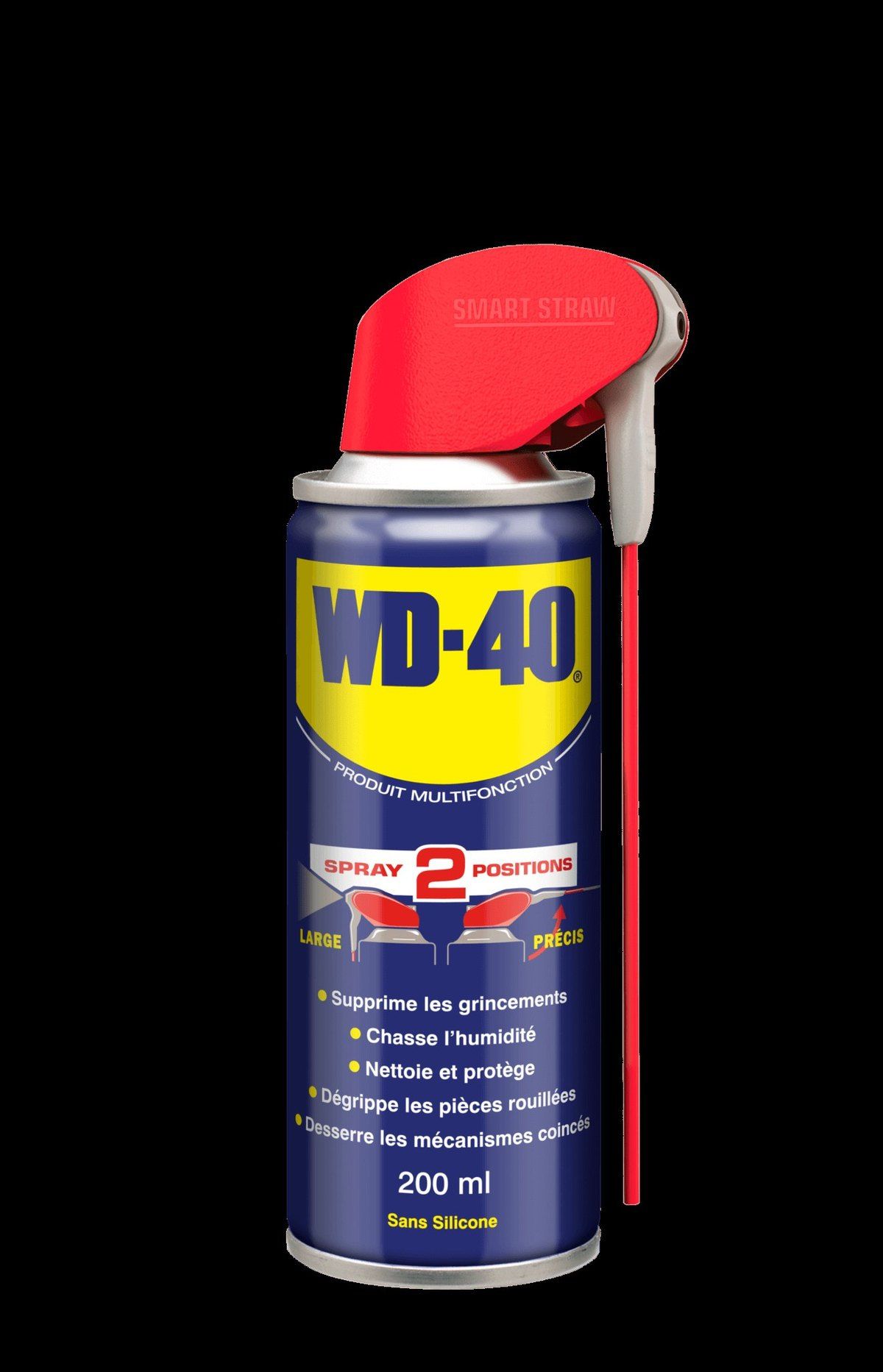
- WD-40 Multi-Use for bugs, tar and chrome
- WD-40 Trigger Pro for wheels and large areas
- WD-40 Specialist Silicone for rubber and plastic trim
Important: Work in the shade on a cool body. Keep lubricant off brake discs, tyres and the windscreen. Use abrasive compound on clear coat only, never on plastic or matt surfaces.
Step 1
Wash the car thoroughly
Park in the shade. First wet the body with a gentle spray to soften the dirt, then use a firmer jet under the arches and on the wheels. Avoid brush car washes: the rollers leave micro-scratches.
Wash from top to bottom with a soft sponge and shampoo. Spray bug splatter and tar spots with WD-40 Multi-Use, leave it for a minute and wipe off, then go over the area with shampoo again. Wheels are easy to treat with WD-40 Trigger Pro and a brush. Rinse thoroughly with clean water.
Step 2
Dry the bodywork
Dry immediately, before the water leaves spots. Use a well-wrung chamois or a large microfibre towel, working from the top down. Open the doors, bonnet and boot and wipe the sills and openings. Use a squeegee on the glass for a streak-free finish.
Step 3
Treat dull patches
Inspect the dry body at an angle to the light: dull areas and swirl marks show clearly in the reflection. Apply a small amount of compound or polish to those areas with a soft pad.
Work small sections in circular motions without pressing hard, then after a few minutes buff with a wool cloth to an even shine.
Step 4
Apply wax
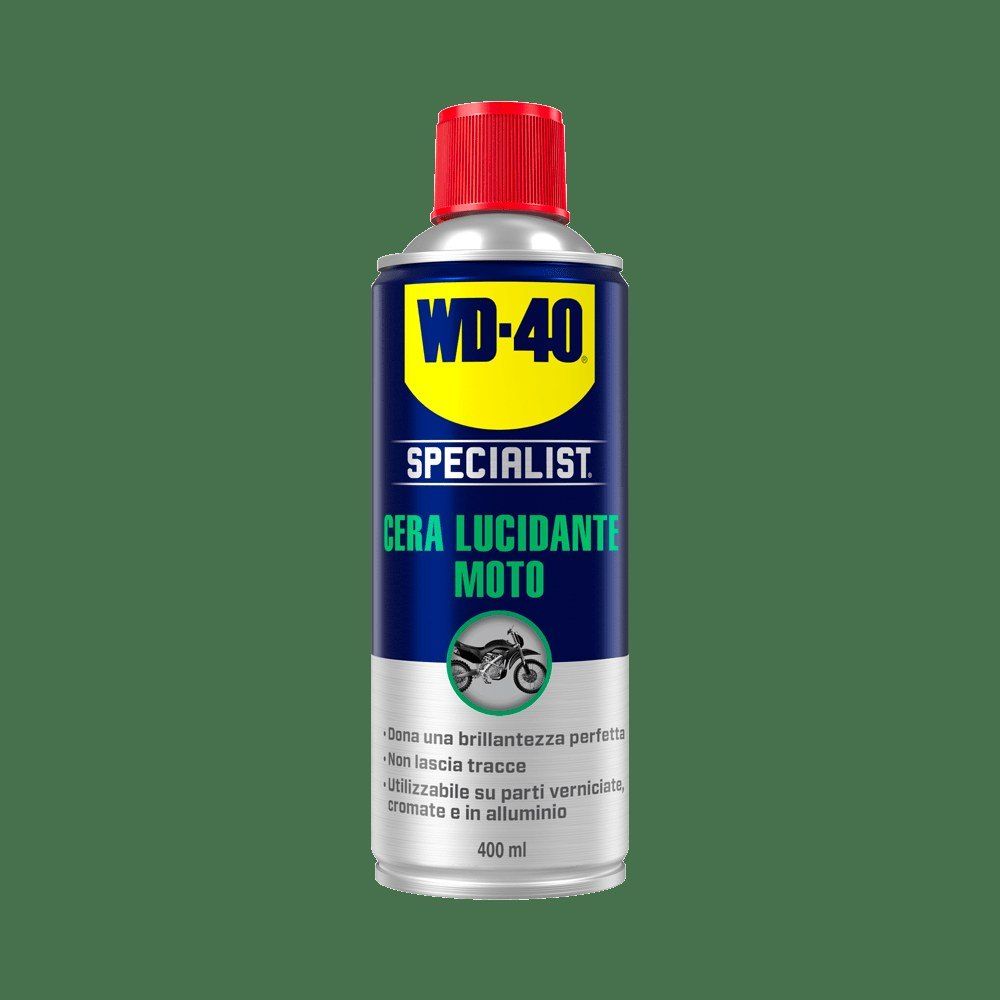
Apply a thin coat of car wax to clean, dry paint, one panel at a time. Wait until it hazes slightly, then buff with clean microfibre in circular motions. For extra gloss you can use a soft wool bonnet on a drill at low speed.
Never wax a hot body or in direct sun, or you will get streaks.
Step 5
Care for chrome, rubber and plastic
Wipe chrome trim, the grille and wheels with a cloth sprayed with WD-40 Multi-Use: it lifts marks and leaves a thin film that protects against moisture and corrosion. Buff with a dry cloth after a few minutes.
Treat door seals and black plastic with WD-40 Specialist Silicone applied to a cloth: the rubber will not freeze to the frame in winter and the plastic looks fresher.
Tip: Polish and wax twice a year: in autumn before the salt and de-icer season, and in spring once they have been washed away. In autumn, pay particular attention to the lower doors and sills.
What next
Between polishes, wash the car with a mild shampoo without harsh chemicals so you do not strip the wax. Finish by treating the door locks and hinges with WD-40 Multi-Use so they do not freeze in frost.
These uses come from the experience of WD-40 users in many countries. Always follow the instructions and warnings on the product label.
More guides in «How to use».