Gutters carry rain and meltwater away from walls, foundations and paving, so without them a house soon gets damp walls and cracks. Gutters are made of plastic or metal, and metal ones suffer most from rust because they are constantly in contact with water.
Corrosion spoils the look of the facade and, more importantly, shortens the life of the gutters: the metal thins, holes appear and joints start to leak. The most effective protection, especially for steel gutters, is proper surface preparation followed by anti-corrosion paint.
What you will need
- work gloves, safety glasses, stable ladder
- scoop or trowel for debris, garden hose
- wire brush, scraper, sandpaper
- solvent for degreasing
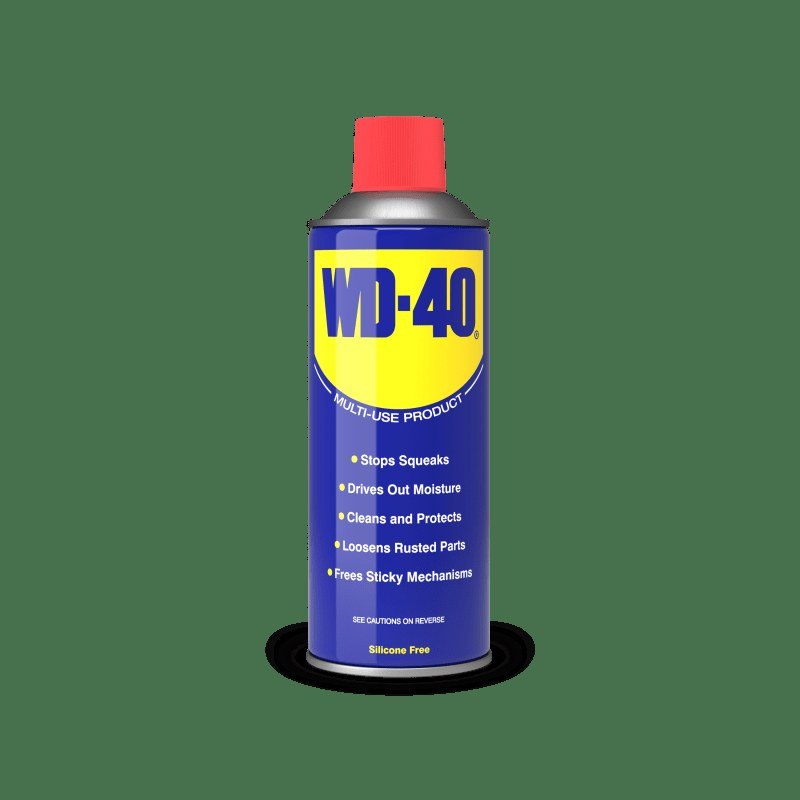
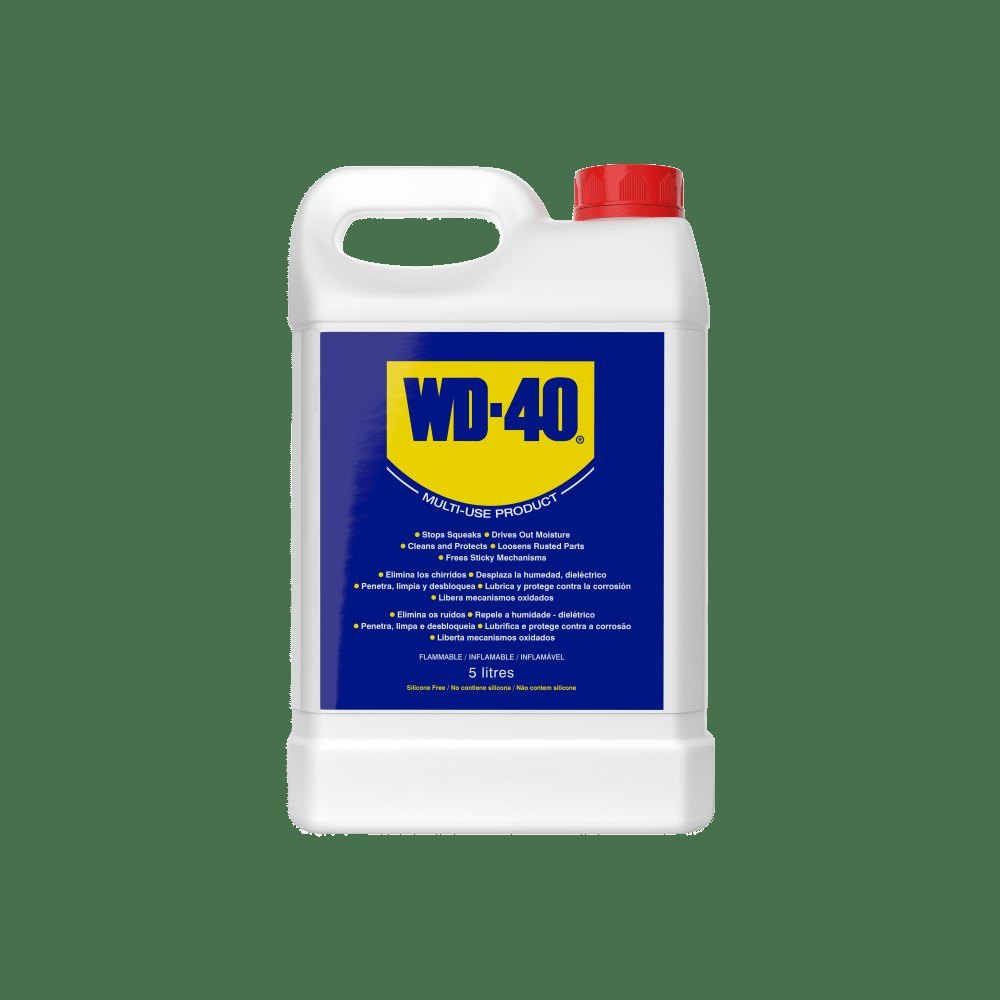
- WD-40 Multi-Use, or WD-40 5 l with sprayer for large jobs
- anti-corrosion gutter paint, brush, roller or spray gun
Important: Work at height only from a stable ladder held by a helper, and never in rain, wind or icy conditions. Before painting, the surface must be completely dry and degreased: any lubricant residue weakens paint adhesion.
Step 1
Clear out the gutters
Remove leaves, twigs, moss and silt, which hold moisture and speed up rusting. Then flush the gutters and downpipes with a garden hose and check the water drains freely. This matters most after winter, when ice and snow often bend the brackets.
Step 2
Inspect the metal
New gutters only need to be thoroughly degreased with solvent. On gutters that are a few years old, look closely: remove any flaking paint and find spots of rust, especially at joints, corners and around the hangers.
Lift flaking paint with a scraper and wire brush, then feather the edges with sandpaper so the new coat lies flat.
Step 3
Remove the rust
Apply WD-40 Multi-Use to rusty areas, let it work for a few minutes and scrub with the wire brush. It drives moisture out of the metal's pores and loosens rust deposits so they come off more easily. For long gutter runs, WD-40 5 l with sprayer makes the job quicker.
After brushing, degrease the surface thoroughly with solvent and let it dry: no lubricant or dust should remain under the paint.
Step 4
Apply anti-corrosion paint
Paint in warm but not hot weather, ideally between 10 and 25 °C with no rain. If the day is unsuitable, postpone the job. Paint can go on by brush or roller, but a spray gun is quicker and more even, covering the whole gutter including the inside.
For the best result, apply two coats, allowing the drying time stated on the tin.
Step 5
Protect the fixings and keep up the care
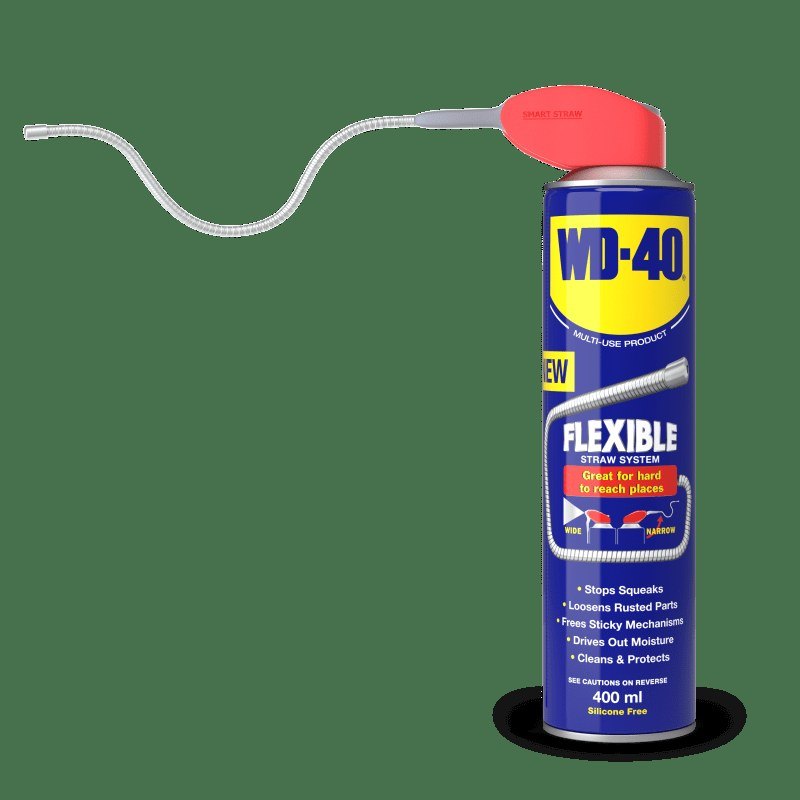
Treat unpainted metal hangers, clips and screws with WD-40 Smart Straw through the thin straw: the film shields them from moisture and makes future removal easier.
Inspect the gutters in spring and autumn, clear out leaves and touch up scratches straight away before rust gets a hold.
Tip: Fit leaf guards to the gutters, especially if trees grow nearby: less debris means less moisture in the channel and much slower corrosion.
What next
A well prepared and painted finish lasts several years. Check the gutters twice a year, and use the same rust protection products for metal gates and fences.
These uses come from the experience of WD-40 users in many countries. Always follow the instructions and warnings on the product label.
More guides in «How to use».