A tow hitch is a steel neck that ends in a 50 mm tow ball. The neck can be fixed, detachable or swing-away. The ball may be bare metal, coated or chrome plated, and it is the unprotected steel that develops a rusty bloom first.
Every winter a hitch is soaked in salty slush and road grime, so light corrosion is almost inevitable. The golden rule is to remove rust gently, because a reduced or misshapen ball diameter compromises the safety of the coupling. The whole job takes about half an hour.
What you will need
Important: Never use an angle grinder, orbital sander or coarse abrasive on the ball: they quickly alter its shape and diameter. If the diameter is below 49 mm after cleaning, have the ball replaced by a specialist.
Step 1
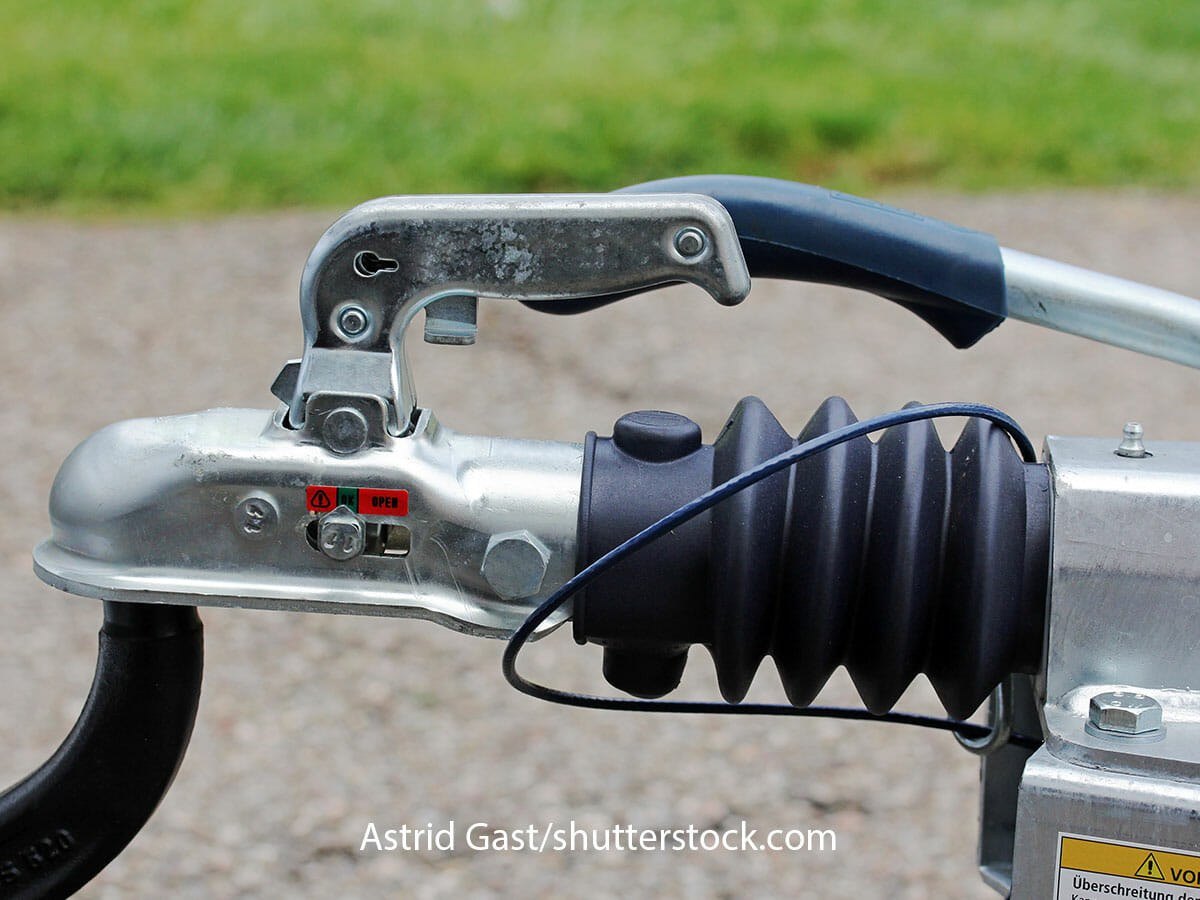
Identify the type of trailer coupling
Before you start, check which coupling head is fitted to your trailer drawbar. A standard head is simply a metal cup that sits over the ball. A stabiliser head has friction pads inside that press against the ball to damp sway. They need constant friction, so this type of ball is not lubricated at the end.
Step 2
Wash and brush the ball
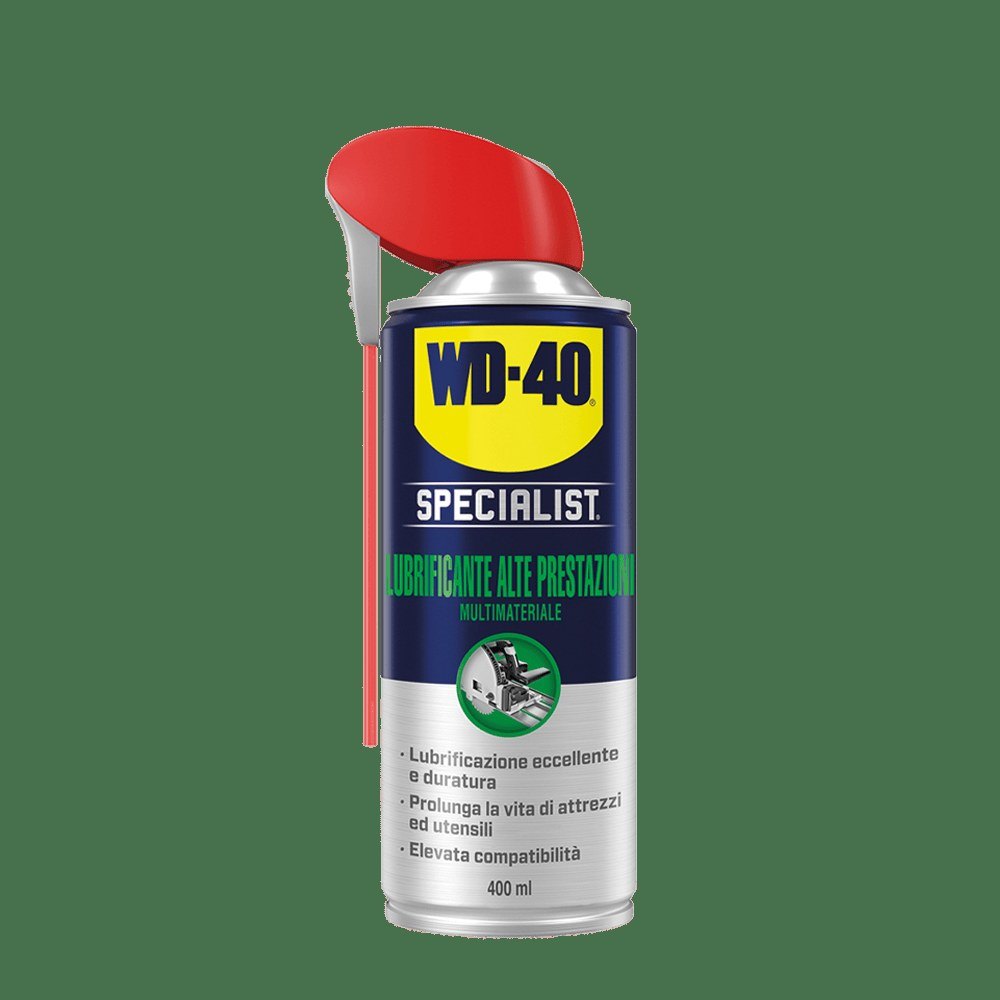
Rinse off soil and mud with water and let the metal dry. Then go over the ball and neck with a brass brush: it removes loose rust but barely scratches the steel. If the ball carries old hardened grease, remove it first with WD-40 Multi-Use and a cloth.
Step 3
Sand away stubborn rust spots
Treat any remaining corrosion with fine 180 to 240 grit sandpaper. Work by hand, lightly and evenly over the whole surface rather than on one spot, to keep the ball spherical.
After sanding, wipe the ball and neck thoroughly so no abrasive dust remains. Measure the ball diameter with a caliper to be sure.
Step 4
Protect the metal and lubricate the ball
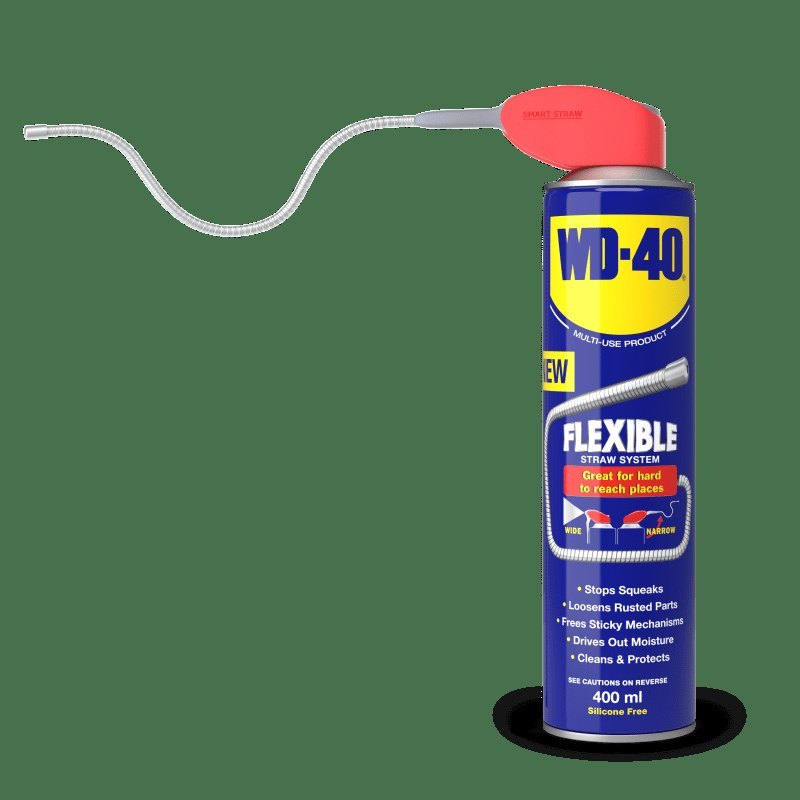
Spray WD-40 Multi-Use onto the neck and ball and spread it with microfibre. It drives moisture out of the pores, protects the bare steel from fresh rust and lifts any tar and grease residue.
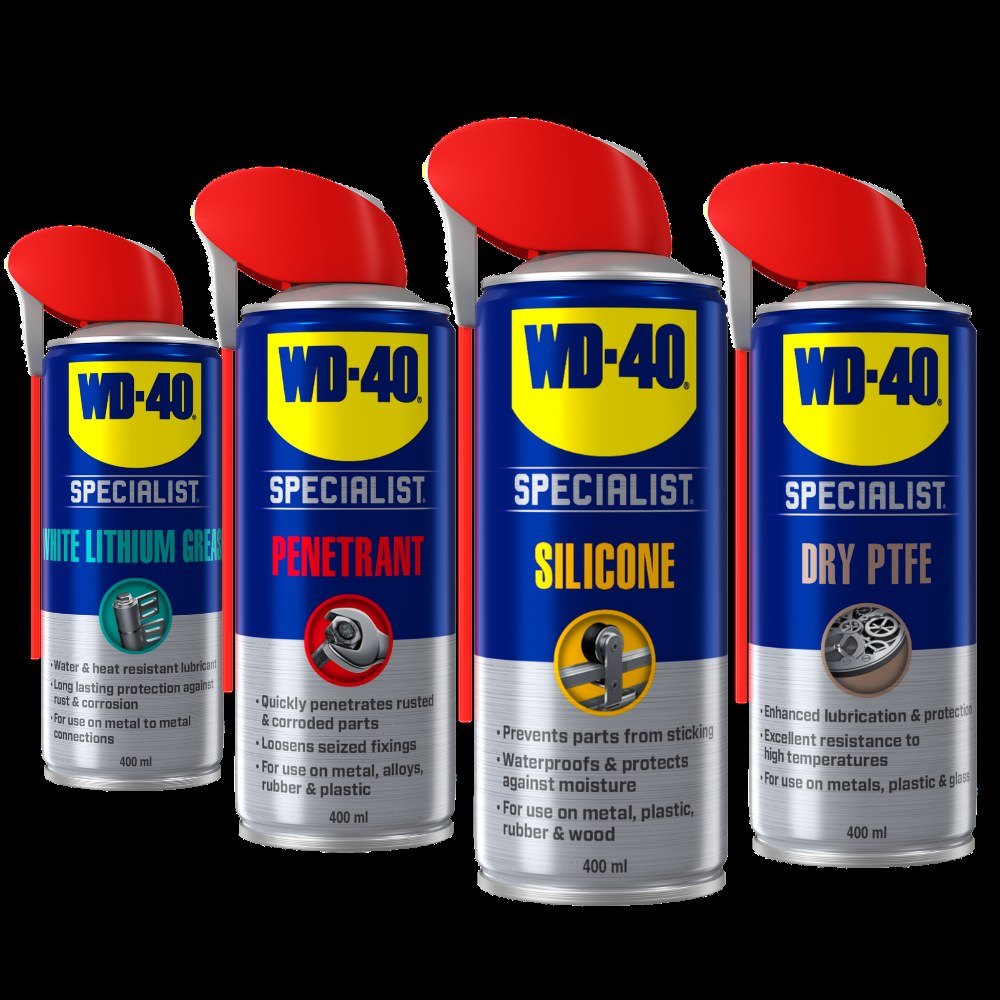
For a standard coupling, then apply a thin layer of WD-40 Specialist White Lithium Grease to the ball only: it reduces friction and is not washed off by water.
Step 5
Dry the ball for a stabiliser coupling
With a stabiliser head, WD-40 Multi-Use still helps drive out moisture, but the ball must then be wiped completely dry: first with microfibre, then with paper towel. No lubricant on the working surface, or the pads lose grip and the stabiliser stops working.
Step 6
Treat the moving parts of a detachable hitch
On a detachable or swing-away hitch, clean and protect all moving parts in the same way: the receiver, locking pins and pivot. If the mechanism has seized after winter, soak it with WD-40 Specialist Penetrant, wait a few minutes and only then work it free. Finally, fit the protective cover on the ball.
Tip: After every trip with a trailer, wash the dirt off the hitch, dry it and give it a light coat of
WD-40 Multi-Use: rust simply will not get the chance to form.
What next
Inspect the hitch after winter and before the summer towing season, and give it a light treatment after every trip. To keep the ball and socket in good order, follow our full tow hitch maintenance guide and clean the socket contacts with WD-40 Specialist Contact Cleaner.
These uses come from the experience of WD-40 users in many countries. Always follow the instructions and warnings on the product label.
More guides in «How to use».