Door, bonnet and boot hinges work in tough conditions: road dirt is thrown at them, water runs off the roof and in winter there is road salt as well. Old grease dries into a black crust and rust starts underneath. Doors creak, move stiffly and over time can even start to sag.
Hinge corrosion is best dealt with early, before it eats into the metal and the paint around it. Here is how to clean the hinges, stop the rust and lubricate every body hinge properly.
What you will need
Important: Keep lubricants away from brake discs, pads and tyres. Wear glasses and a mask when sanding rust. If a hinge has rotted through or the door sags, it needs body repair, not just lubrication.
Step 1
Clean off old dirt
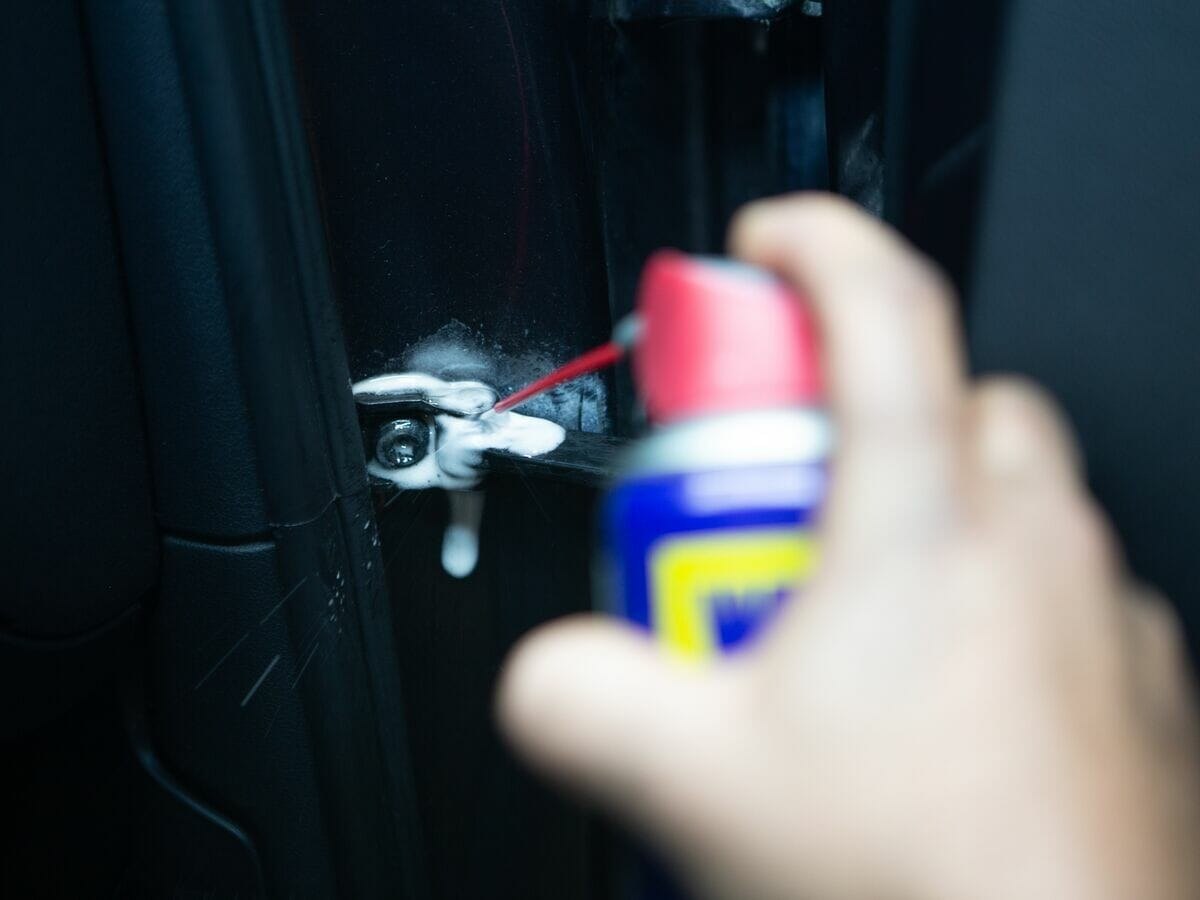
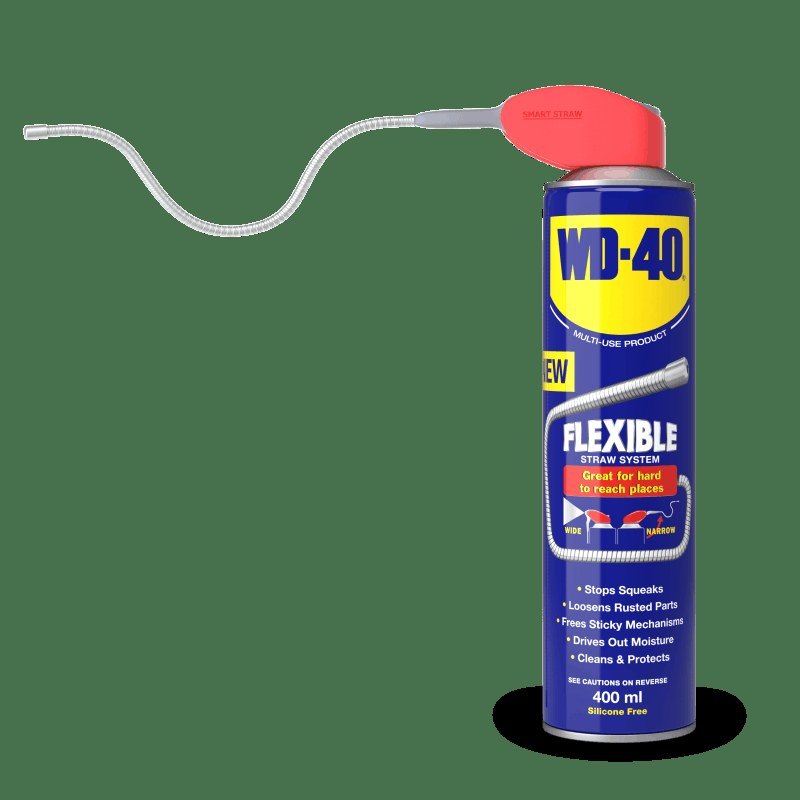
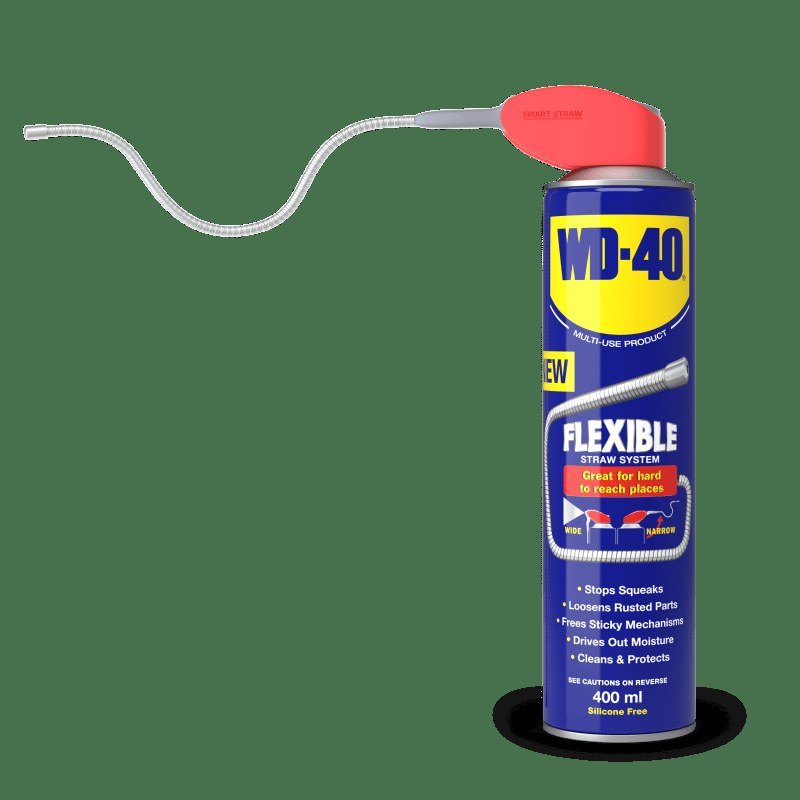
Open the door fully and inspect the hinges. They are usually coated in hardened grease, black grime and a thin layer of rust. Spray them generously with WD-40 Multi-Use, let it work for a minute and wipe with a cloth. Soften thick deposits again and go over them with a brush.
Step 2
Remove and stop the rust
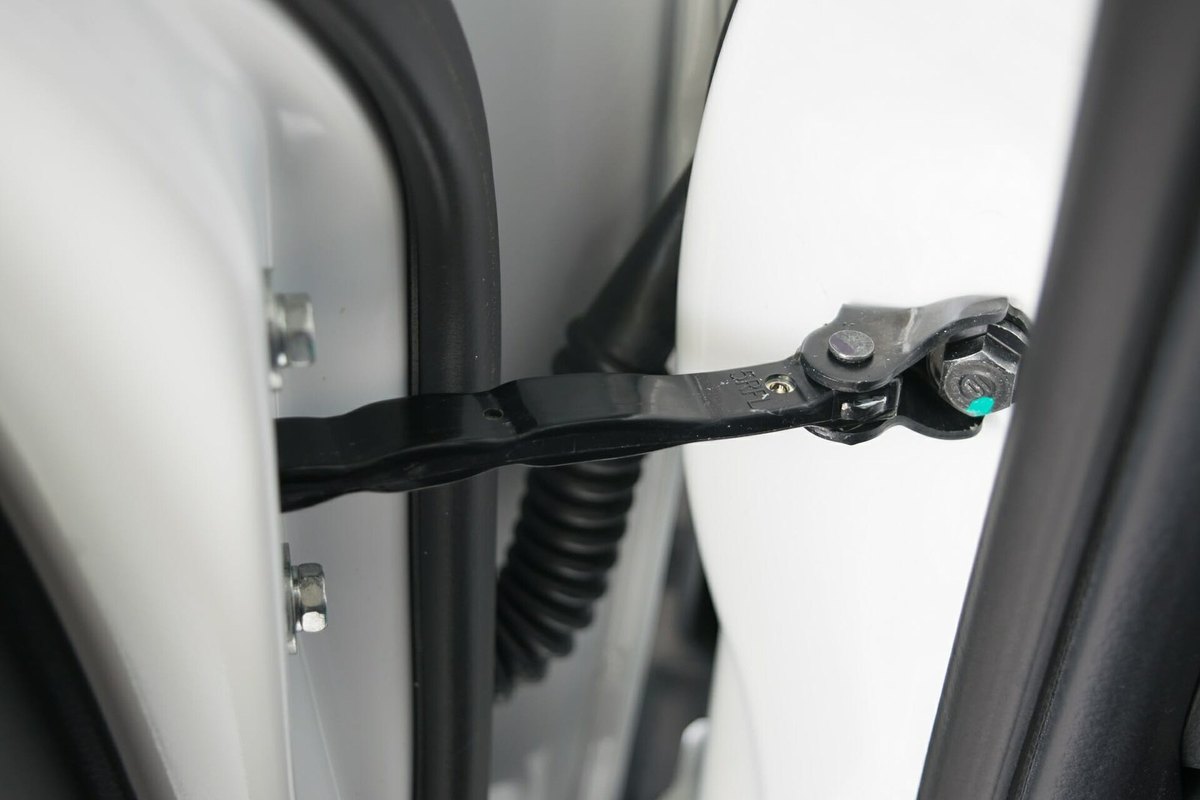
Sand light rust carefully with fine sandpaper without touching the sound paint around it. Then apply WD-40 Multi-Use: the film displaces moisture and protects the metal from further corrosion.
If rust has crept under the paint and the metal is bubbling, it needs paintwork: sand back to bare metal, prime and repaint.
Step 3
Free seized pins
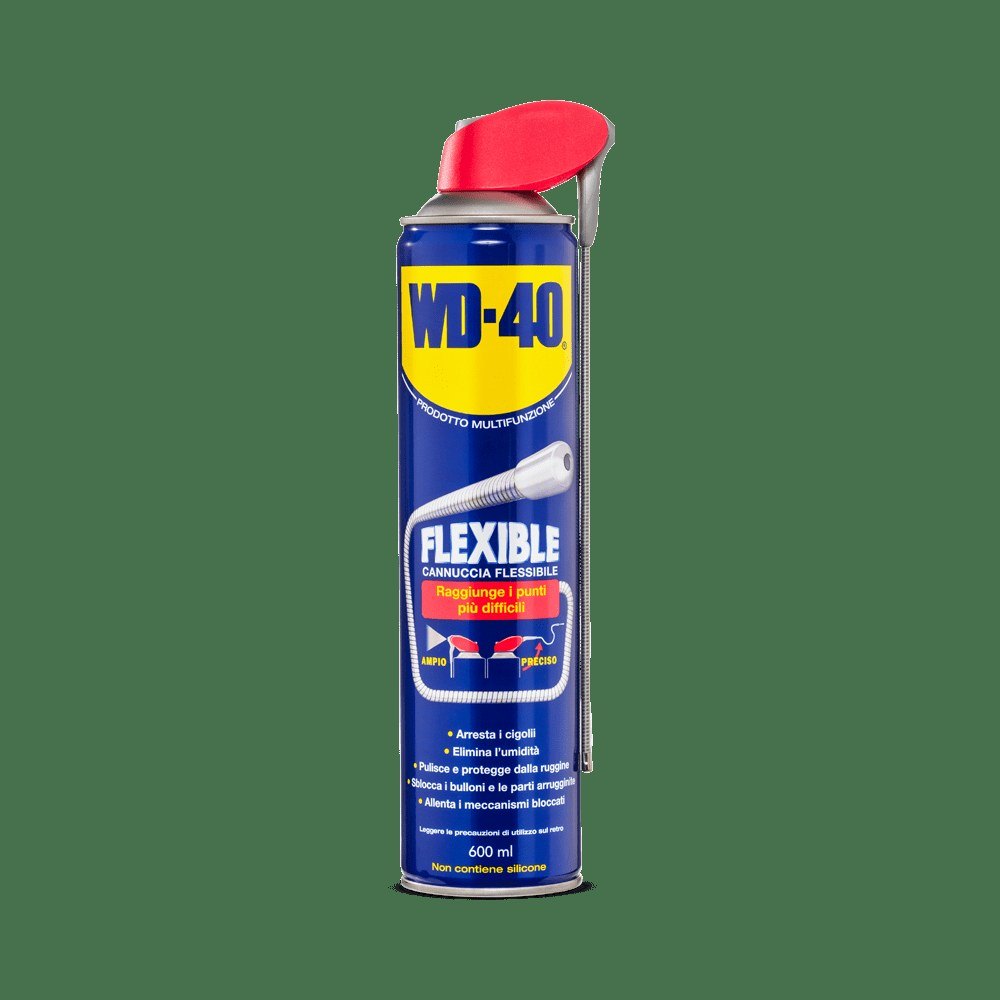
If a hinge is stiff or binding, spray WD-40 Specialist Penetrant into the gap around the pin from both sides. Wait 10-15 minutes, then open and close the door several times to work it in.
Step 4
Tighten fixings and grease the hinges
Check the bolts holding the hinges to the body and door. If they have worked loose, tighten them with a spanner without overdoing it. Remove any plastic caps from the pins.
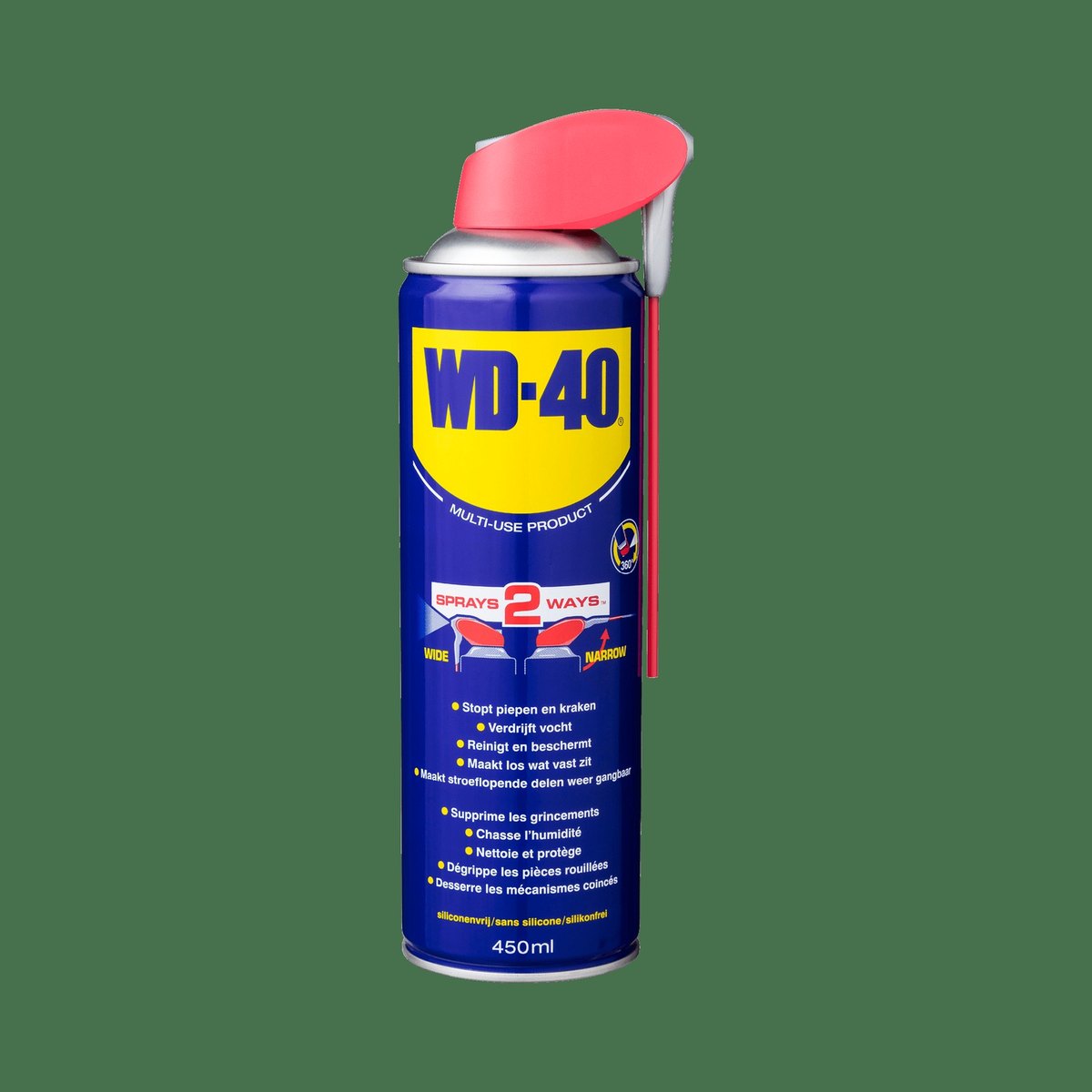
Apply WD-40 Specialist White Lithium Grease to the hinge pins and the door check strap. It stays on the joint even in rain, does not run off and works quietly under load. Refit the caps and wipe off the excess.
Step 5
Service the bonnet and boot
Treat bonnet and boot lid hinges in the same way as door hinges. Check the gas struts too: the rod rarely rusts but often gets sticky with dirt. Wipe it clean and apply a thin coat of WD-40 Specialist Silicone. If a strut no longer holds the lid up, replace it.
Step 6
Do not forget sliding doors
On people carriers and vans, sliding doors run on tracks. Clear sand and dirt out of them, wipe dry and apply silicone lubricant, which does not attract dust and is not bothered by water. Treat the joints and rollers like ordinary door hinges.
Tip: In a climate with salted winter roads, service the hinges twice a year: in autumn before the gritting season and in spring after it, straight after washing the car. Hinges treated before the frosts do not creak in the cold and rust far more slowly.
What next
Lubricate the hinges every 6 months or at the first creak, and renew the protection after pressure washing. While you are there, treat the door locks and boot lock with WD-40 Multi-Use so they do not freeze in winter.
These uses come from the experience of WD-40 users in many countries. Always follow the instructions and warnings on the product label.
More guides in «How to use».