Orange spots on knives, tools, garden shears and small metal items appear quickly, especially in a climate with damp autumns and humid cellars. The good news is that early rust can be removed with things you already have in the kitchen.
Below are several proven methods, from the simplest to the fastest, plus the most important part: how to protect the cleaned metal so the rust does not come back within a week.
What you will need
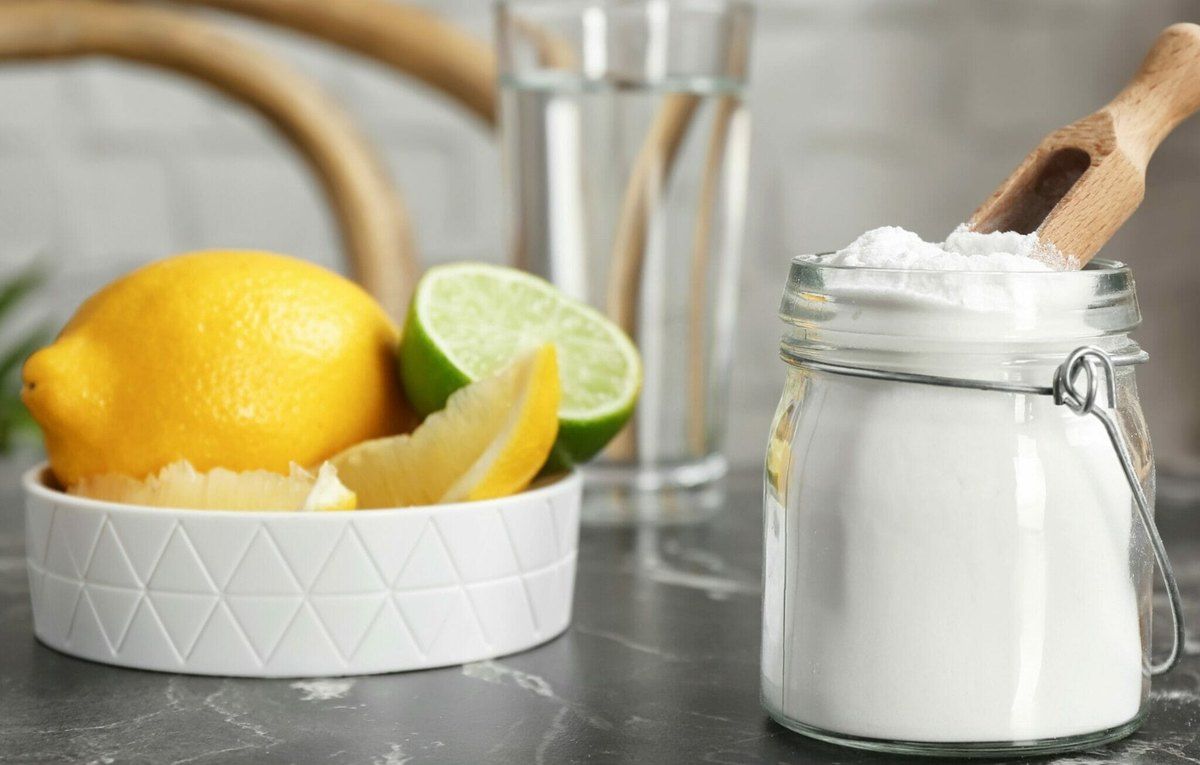
- undiluted white vinegar
- lemon juice and borax
- a raw potato and baking soda
- brushes: an old toothbrush for small items, a stiff brush for tools
- clean rags, rubber gloves
- WD-40 Multi-Use
- WD-40 Specialist Penetrant for heavily seized rust
Important: Vinegar and lemon juice are acids: do not leave chrome-plated, nickel-plated or painted parts in them for long, and check progress every 15-20 minutes. Wear gloves, and always rinse and dry the metal after any acid treatment.
Step 1
Soak the item in vinegar
Submerge the item in undiluted white vinegar so the rusty area is fully covered. Around 30 minutes is enough for light rust; for a thicker layer you can leave it for several hours.
Vinegar softens the rust so it can be scrubbed off easily with a brush. If traces remain, repeat the soak. Finally rinse with water and dry thoroughly.
Step 2
Apply a lemon juice and borax paste
Mix borax with lemon juice into a thick paste and spread it over the rusty spot. Leave it for about 30 minutes, misting it with a little water if it starts to dry out.
Then scrub firmly with a brush, rinse away the paste together with the rust and dry the item. This method suits vertical surfaces and parts that will not fit in a container.
Step 3
Try a potato and baking soda
Cut a potato in half, sprinkle baking soda on the cut face and rub it over the rusty area. Potato contains oxalic acid, while the soda acts as a gentle abrasive.
For a kitchen knife there is an even easier option: push the blade into a potato with soda and leave it for a day. In the evening remove it, rinse and dry: light spots usually disappear.
Step 4
The fastest option: WD-40
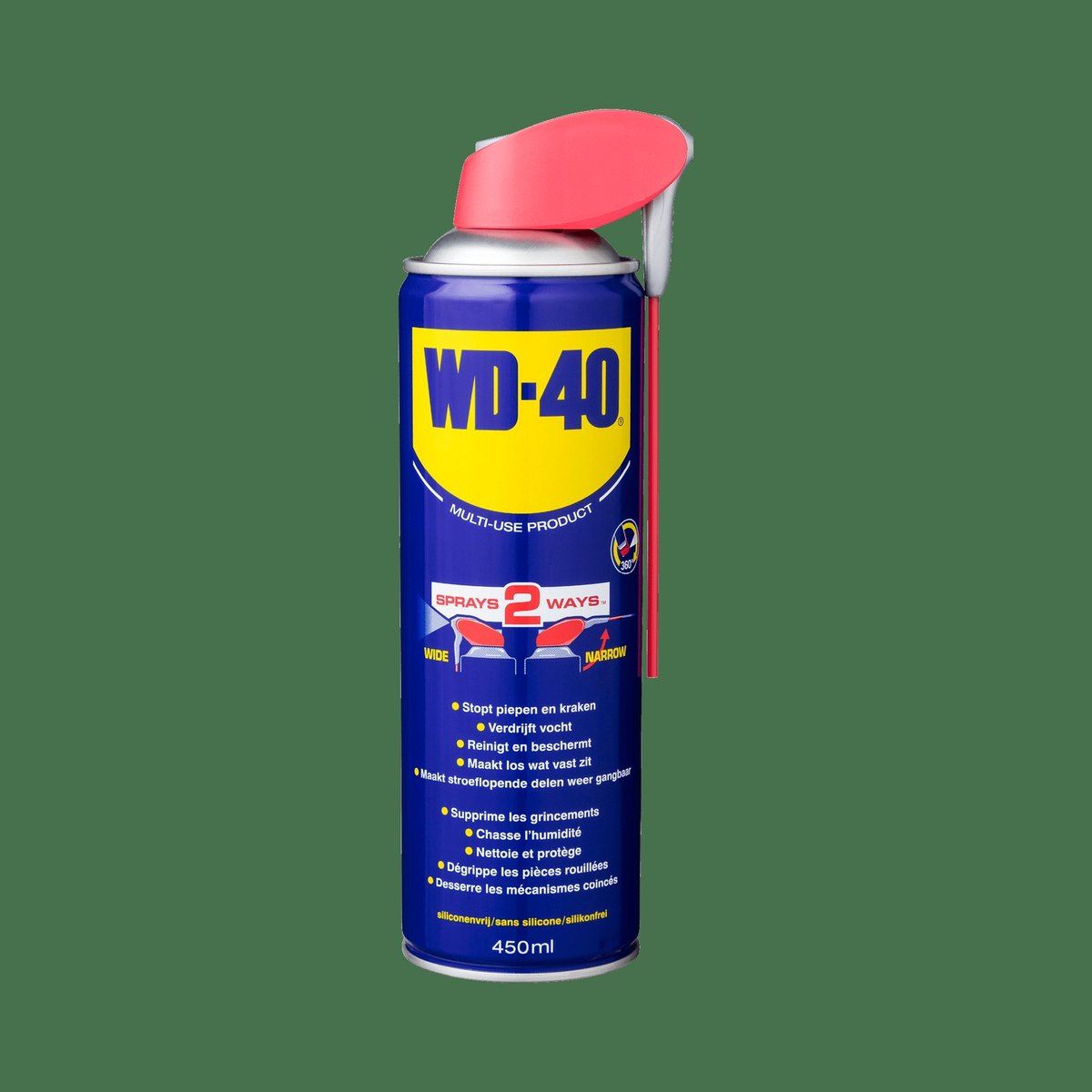
Household remedies work, but slowly. To get it done faster, spray WD-40 Multi-Use generously onto the rusty surface and leave it for about 10 minutes. It penetrates beneath the rust and loosens its grip on the metal, so it comes off easily with a stiff brush.
For bolts, nuts and hinges where rust has seized the parts, WD-40 Specialist Penetrant works better as it reaches deeper into threads and gaps.
Step 5
Protect the metal from new rust
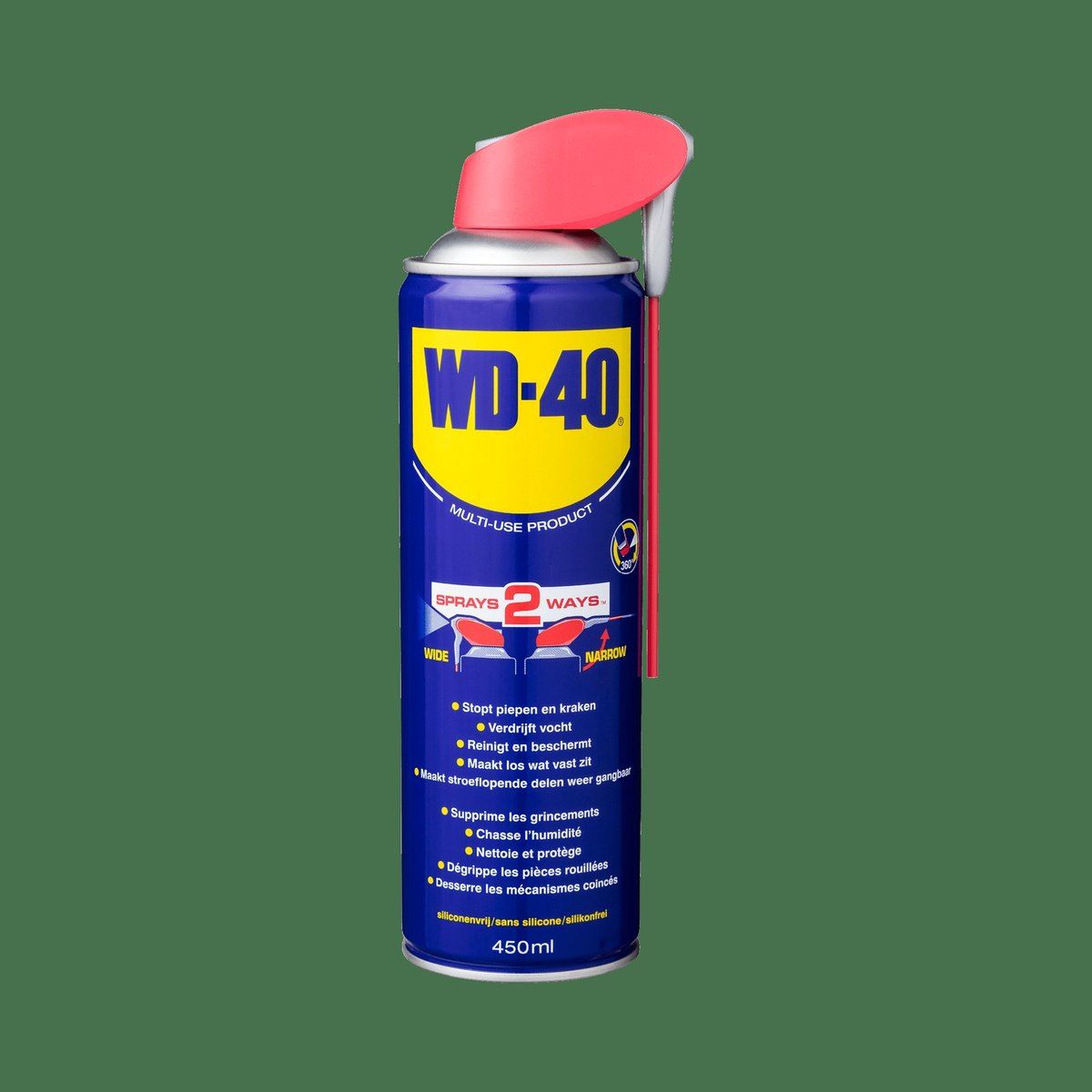
Bare clean metal rusts again very quickly. Spray a thin layer of WD-40 Multi-Use onto the surface and spread it with a cloth: it leaves a film that displaces moisture.
Treat items kept outdoors, in a garage or a garden shed more often, particularly in autumn and winter, when moisture and temperature swings speed up corrosion.
Tip: For small parts and hard-to-reach spots,
WD-40 Smart Straw is handy: flip the straw up for a precise jet, fold it down for a wide spray.
What next
Check your tools and metal items at the start of autumn and in spring, and after garden work wipe them dry and apply a thin protective layer. That way rust simply has no chance to form.
These uses come from the experience of WD-40 users in many countries. Always follow the instructions and warnings on the product label.
More guides in «How to use».