Car plastics age faster than you might think. The dashboard and door panels bake under the glass in summer, while bumpers, trims and mirror housings take sun, dirt, salt and de-icers in winter. Cars parked outdoors suffer most: black plastic turns grey, blotchy and rough.
You do not need expensive polishes to bring it back. Clean the surfaces thoroughly, let them dry and apply a thin protective layer that refreshes the colour and repels moisture and dust.
What you will need
Important: Do not apply the products to the steering wheel, pedals, gear knob, windscreen, wiper blades, brake discs or tyres, as they will become slippery. Do not treat plastic that is hot from the sun, and test on a hidden area first.
Step 1
Vacuum the interior
Start inside. Dust and crumbs travel from one place to another, so vacuum everything first: the seats, the gaps between them, door pockets, the centre tunnel and the recesses under the dashboard. A crevice tool reaches into corners, and a soft brush sweeps dust out of air vents and dashboard seams.
Step 2
Wipe down and dry
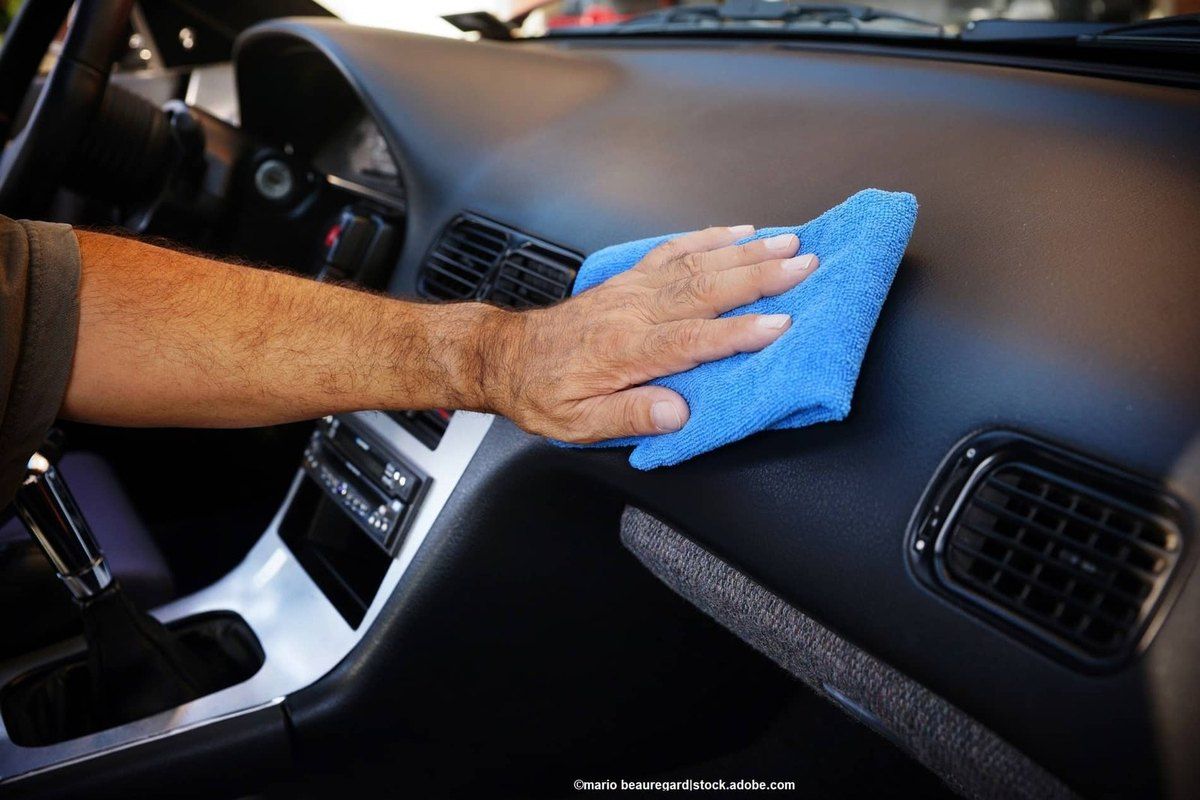
Dampen a microfibre cloth in warm water with a drop of washing-up liquid, wring it out well and wipe the dashboard, door panels, console and pillars. Water should never run, especially around switches and electronics. Then go over everything with a dry cloth so the plastic is completely dry.
Step 3
Refresh the interior plastics
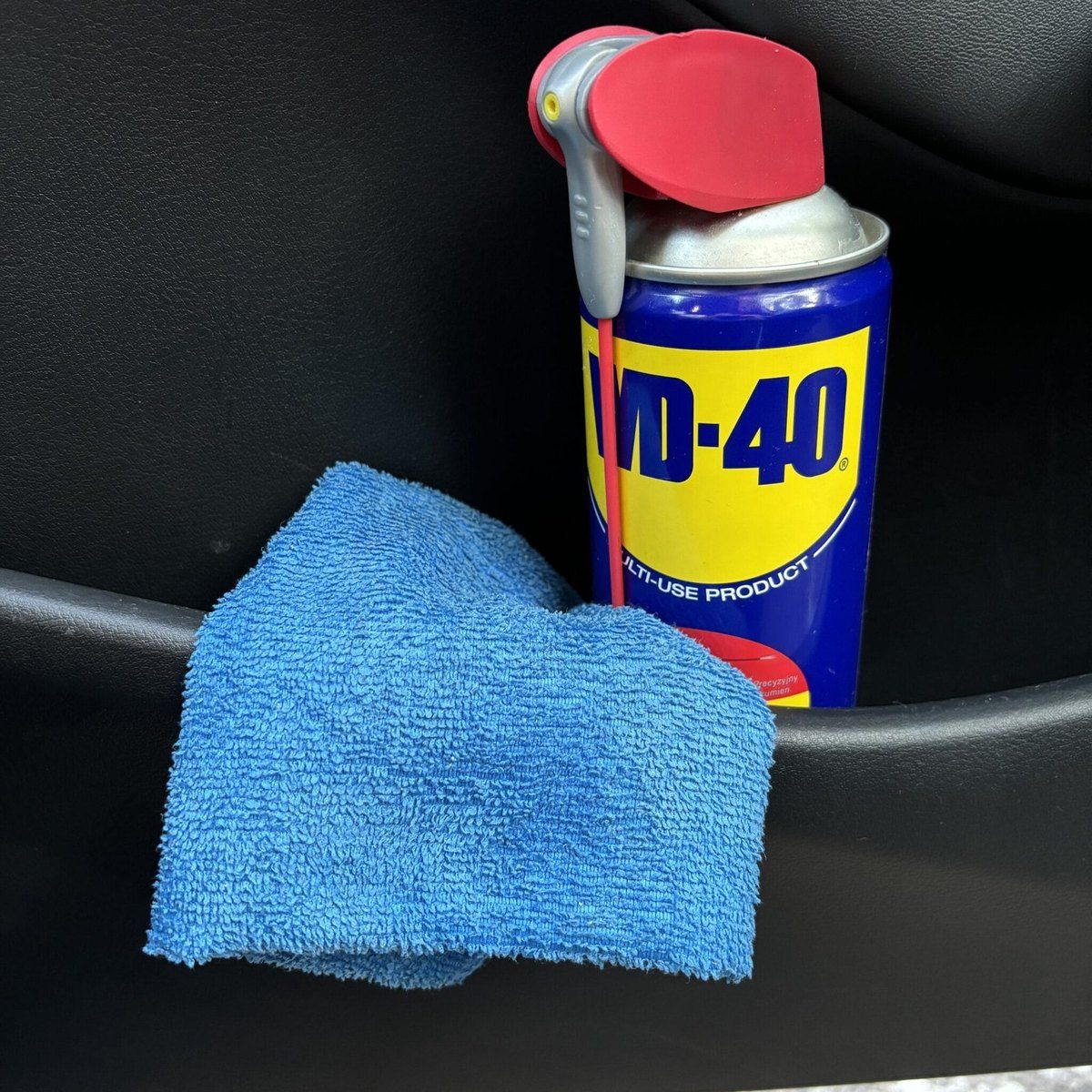
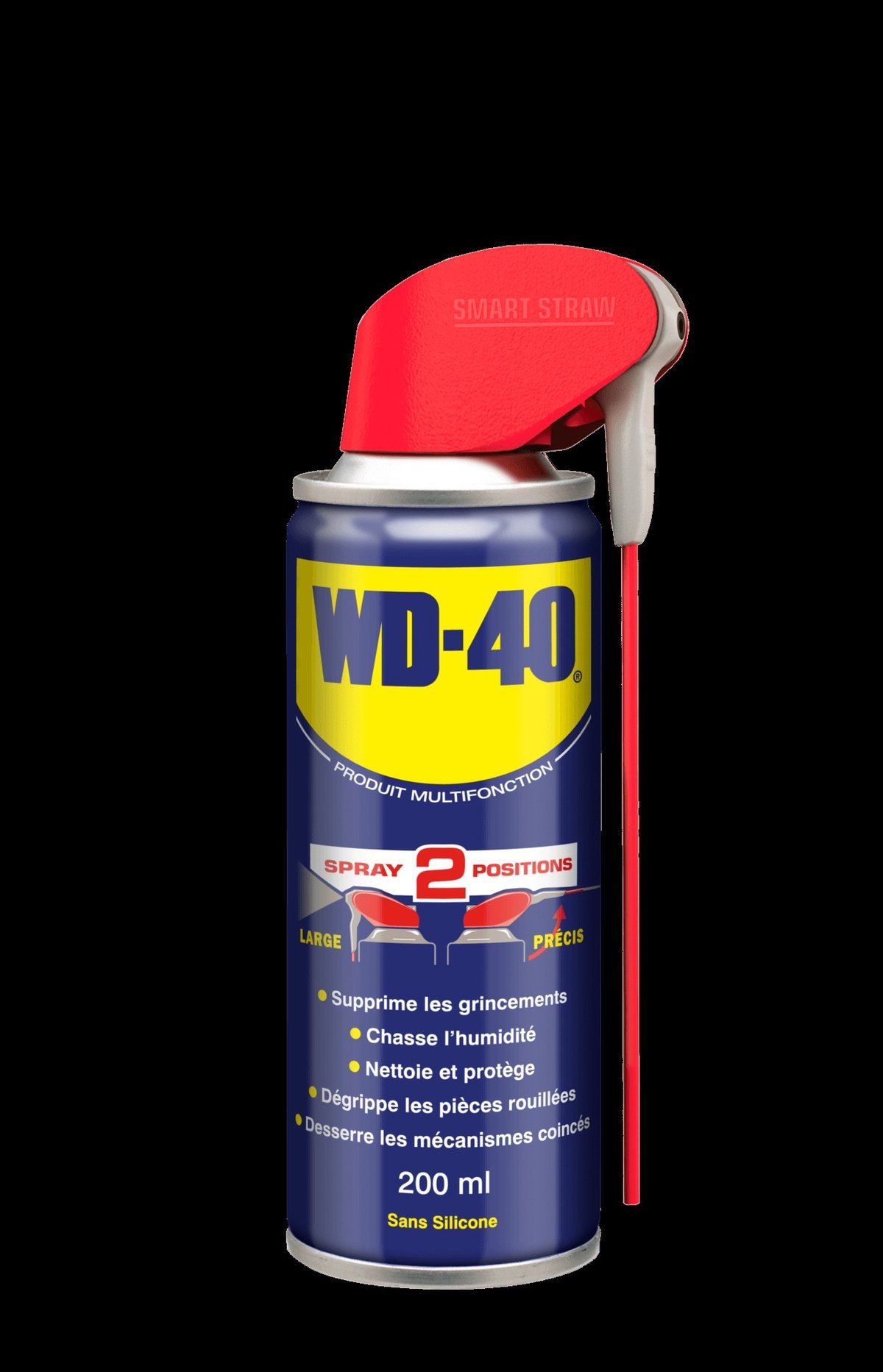
Spray WD-40 Specialist Silicone onto a clean, dry cloth rather than onto the dashboard, and spread a thin layer over the plastic. The colour deepens at once and a film forms that repels dust. Buff off any excess with the dry side of the cloth to avoid a greasy shine and reflections in the windscreen.
Step 4
Wash the outside of the car
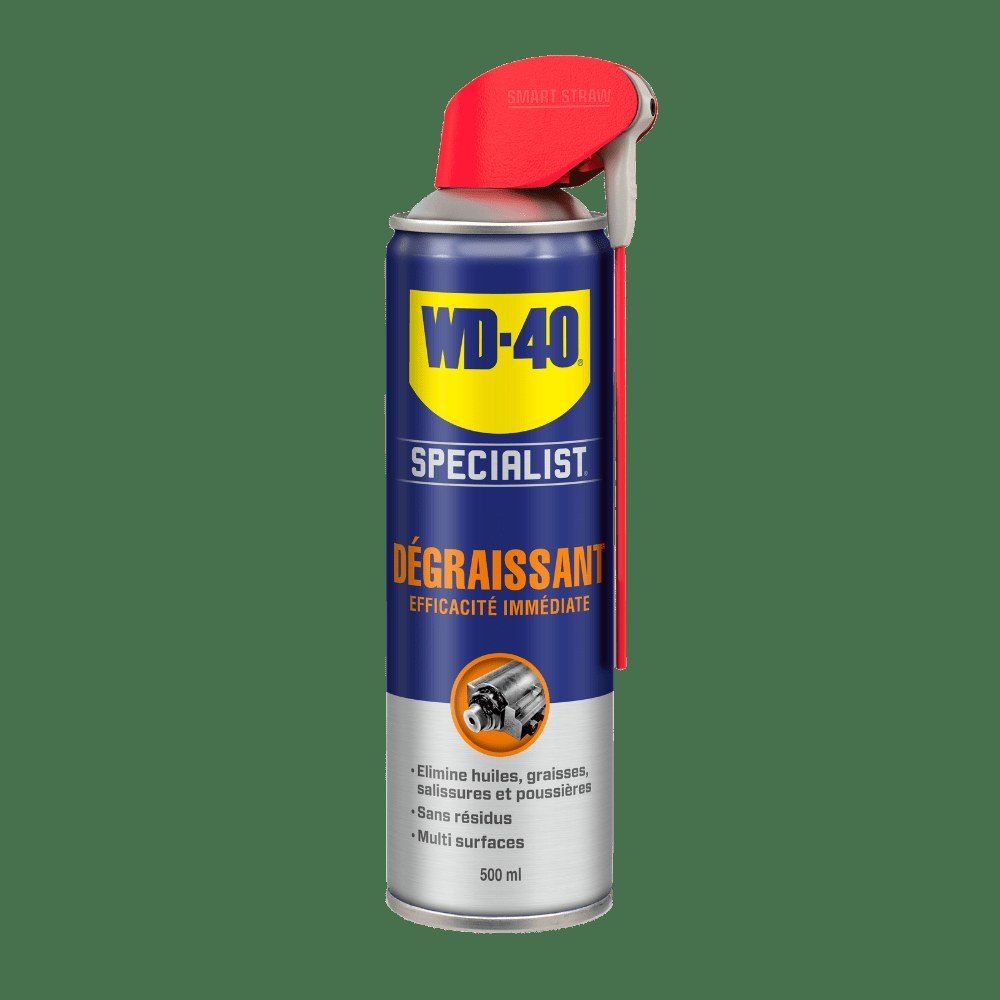
Before treating the exterior plastics, wash the car with car shampoo at home or at a car wash. Soften heavy dirt, such as mud on the lower bumpers after country roads, with water first and clean it off with a soft, non-scratch brush. Dry the car thoroughly: moisture trapped under the protective layer leaves marks, and wet plastic fades faster in the sun.
Step 5
Restore the exterior plastics
Apply WD-40 Specialist Silicone to bumpers, trims, mirror housings, sill covers and the grille, and spread it with a microfibre cloth. Grey plastic turns dark again and the film protects it from moisture and dirt. Treat metal number plate fixings, bolts and hinges with WD-40 Multi-Use to keep rust away.
Step 6
Look after the rubber seals
Finally, wipe WD-40 Specialist Silicone along the door and boot seals. The doors will not freeze shut in winter, and the rubber stays supple and free of cracks.
Tip: Keep a separate cloth lightly dampened with silicone in the car. Wipe the dashboard with it once a week and noticeably less dust will settle.
What next
Treat the exterior plastics monthly and always before winter, when de-icers appear on the roads. Refreshing the interior every 4-6 weeks is enough. Regular care keeps plastics looking good for years.
These uses come from the experience of WD-40 users in many countries. Always follow the instructions and warnings on the product label.
More guides in «How to use».