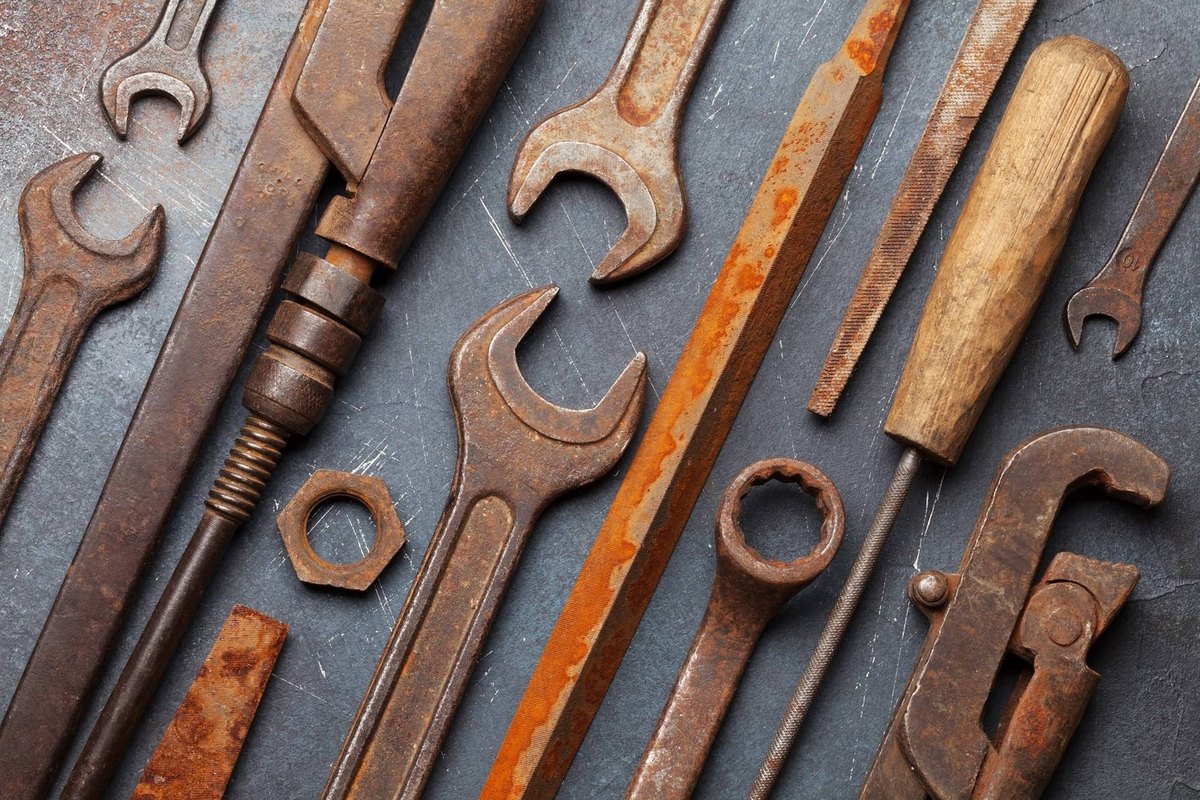
Grandad's spanners, a plane from the attic or garden shears forgotten in the shed over winter: rust, dirt and old hardened grease make them useless, but there is no need to throw them out. Good old steel, once restored, often outperforms a cheap new tool.
All you need is patience and a few simple materials. The method works for any tool with surface rust. If corrosion has eaten right through the metal or left deep pitting, the tool cannot be fully saved.
What you will need
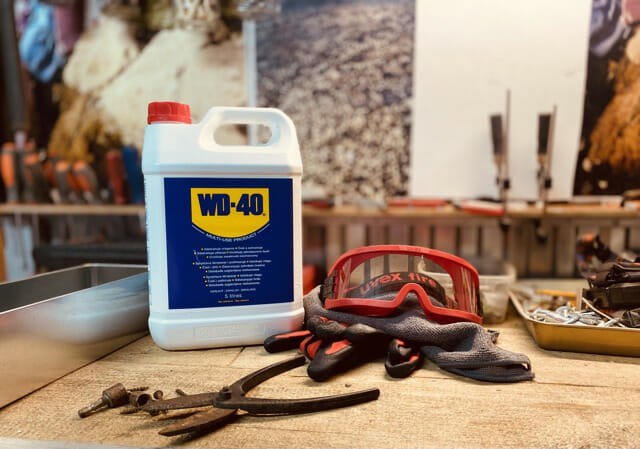
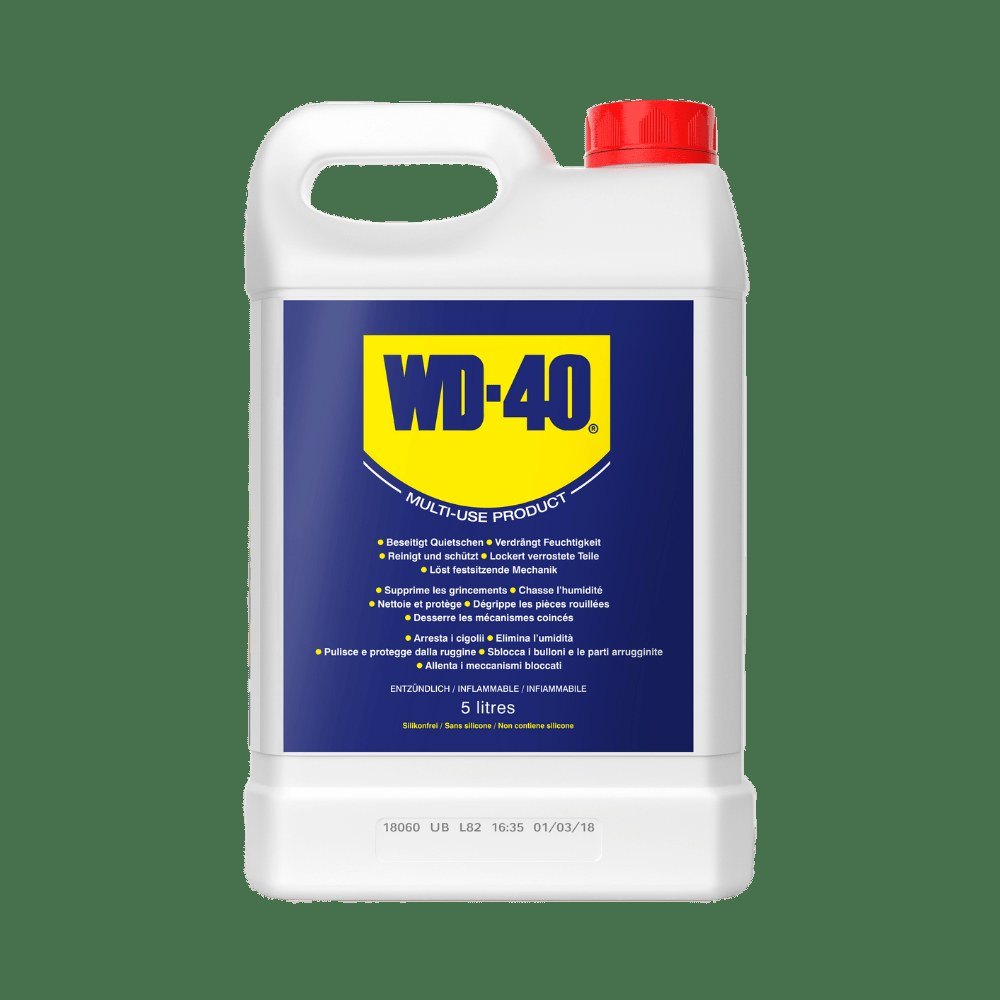
- WD-40 5 l with sprayer for soaking
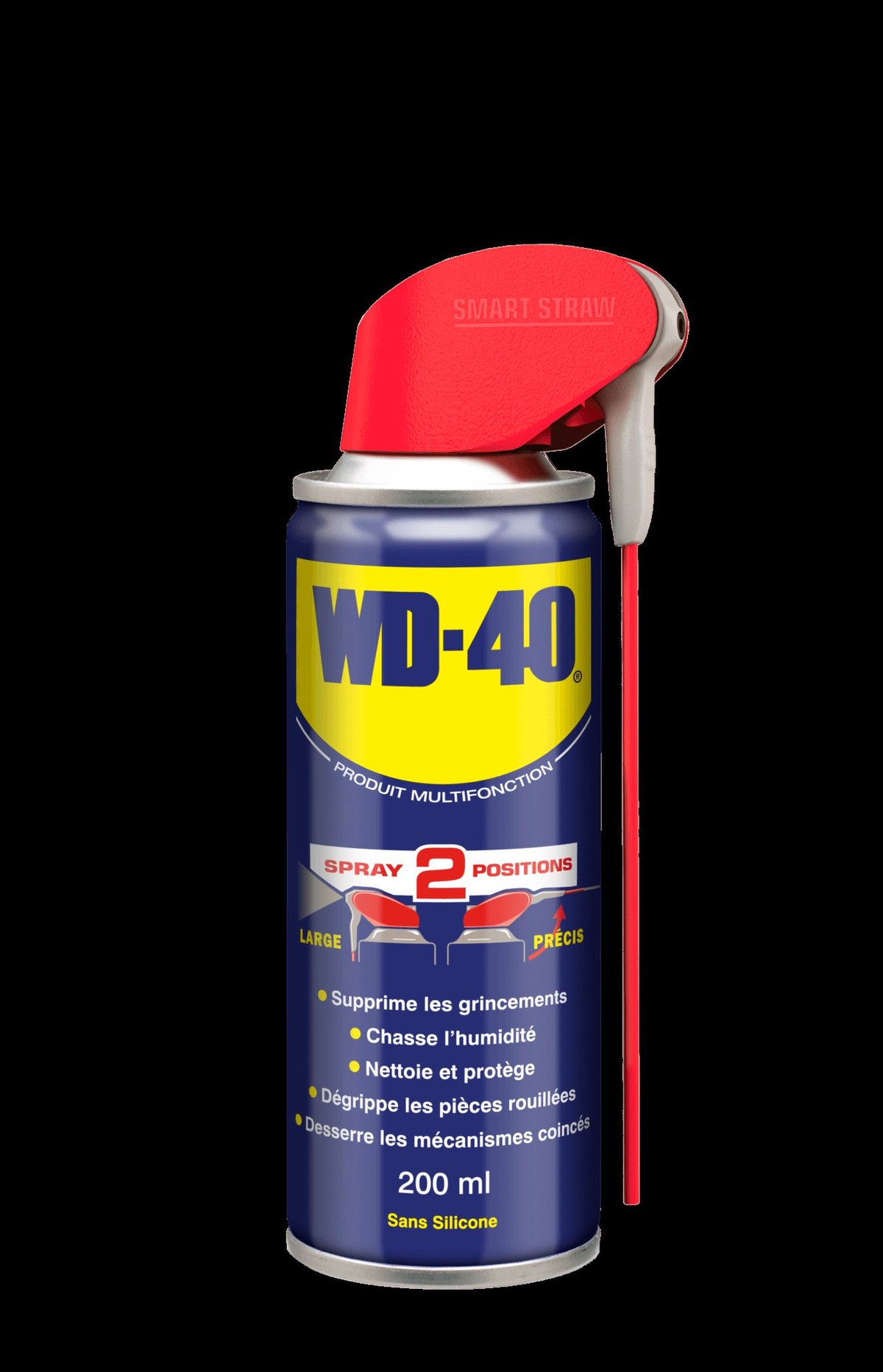
- WD-40 Multi-Use for cleaning and protection
- WD-40 Specialist Penetrant for seized pivots and screws
- soaking container, scouring sponge, microfibre cloths
- drill with abrasive attachments and brass brushes, 100-240 grit paper, steel wool
- polishing mop and compound, sharpening stone or grinder
- gloves, safety glasses
Important: Always wear glasses and gloves when grinding off rust: dust and particles fly into the eyes. Never soak tools that contain electronics or batteries.
Step 1
Wash and soak the tools
First rinse off surface dirt and loose rust with water and a sponge, then dry thoroughly. Place the tools in a container and cover them completely with WD-40; WD-40 5 l with sprayer is the most practical size for this. Leave overnight, or 24 hours for heavily rusted and seized tools.
It frees stuck joints, lifts light rust and dissolves old grease, resin and grime. For especially stubborn screws and pivots, add WD-40 Specialist Penetrant.
Step 2
Remove the rust
Take the tools out, wipe them with a dry cloth and inspect them. Remove remaining rust with a drill fitted with abrasive attachments or brass and steel brushes, working from coarse 100-120 grit to fine 220-240. Finish with steel wool to bring back the shine. Clean small tools by hand with abrasive paper.
Step 3
Heavy corrosion: electrolysis
For deep rust, an electrolysis bath helps. Add washing soda (sodium carbonate) to water in a plastic tub, hang a steel plate or wire around the edge connected to the positive lead of a battery charger and connect the tool to the negative. The tool must not touch the anode.
Work only outdoors or in a well ventilated space, away from flames, as gas is given off. After a few hours the rust softens; scrub off the residue with a sponge and water and dry the part immediately.
Step 4
Polish
Fit a polishing mop to the drill, apply compound to the spinning mop and polish the tool to the finish you want. If soaking has removed almost all the rust, simply spray WD-40 Multi-Use and buff the surface with a microfibre cloth.
Step 5
Sharpen cutting tools
Use a bench grinder for garden blades, working only on the cutting edge. Chisels, knives and drill bits are easiest on a small sharpener, chainsaw chains on a dedicated chain grinder and pruner blades on a whetstone. Keep your glasses and gloves on.
Step 6
Protect against rust
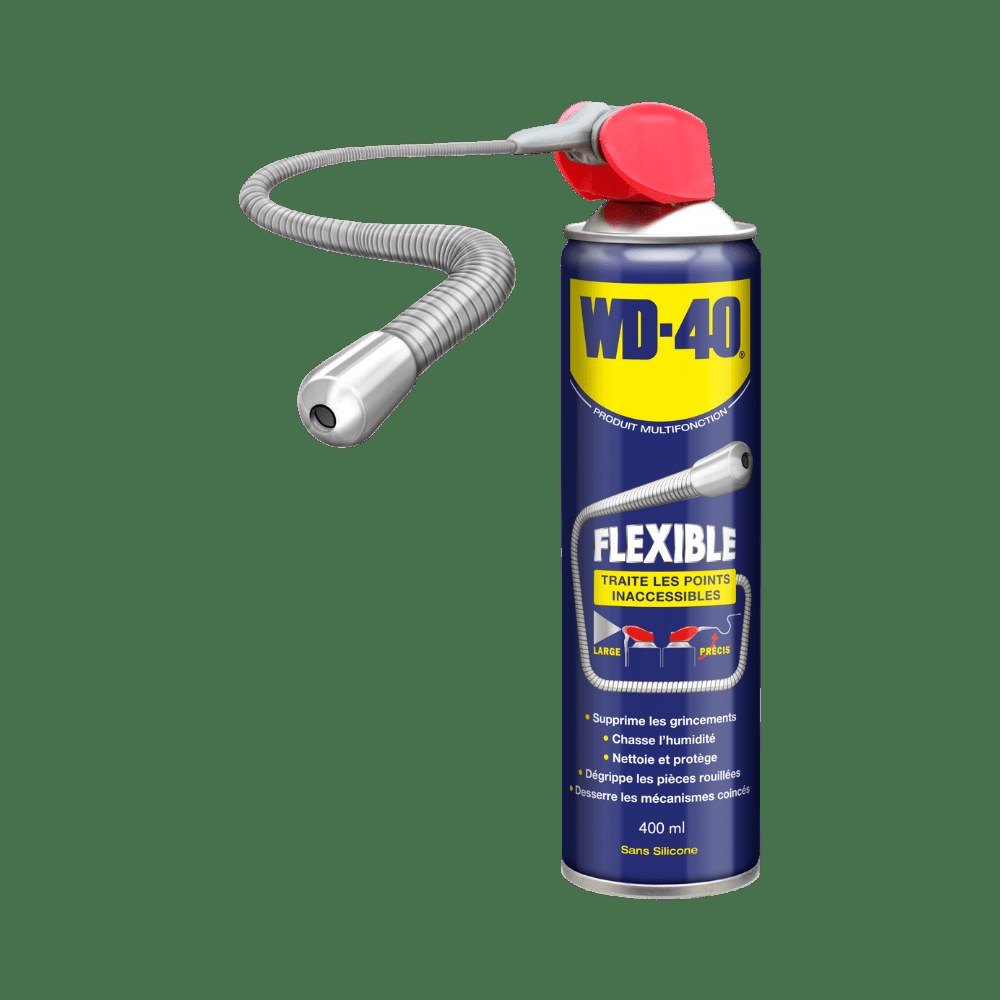
Spray the finished tools generously with WD-40 Multi-Use and spread it with a cloth. It displaces moisture and prevents corrosion even in a damp cellar or unheated garage. Treat the rest of your metal tools too, including those that have not rusted yet.
Tip: Do not soak wooden handles with the metal: the wood cracks as it dries out. If a handle will not come off, wrap it in film and treat the metal locally.
What next
To keep rust away, wipe tools after each use, treat them with WD-40 and store them somewhere dry. Everyday care for hammers and pruning shears is covered in separate guides.
These uses come from the experience of WD-40 users in many countries. Always follow the instructions and warnings on the product label.
More guides in «How to use».