Whether it is a professional set or spanners from a bargain bin, any tool left uncared for soon rusts, and the joints of pliers and cutters start to stick. Sand, soil, old grease and moisture from your hands take their toll every day.
A full clean takes half an hour, and afterwards your tools stay ready for work for years. The routine below suits spanners, sockets, screwdrivers, pliers, tin snips and secateurs.
What you will need
Important: Only hand tools can be washed in water. Never immerse power tools, batteries or chargers; clean them with a dry brush and cloth.
Step 1
Remove heavy dirt
First clear away dust, dried soil, sand and lumps of old grease with a soft brush over newspaper or cardboard. Pay particular attention to the serrations on jaws, screwdriver tips and the inside of sockets.
Step 2
Wash the tools in soapy water
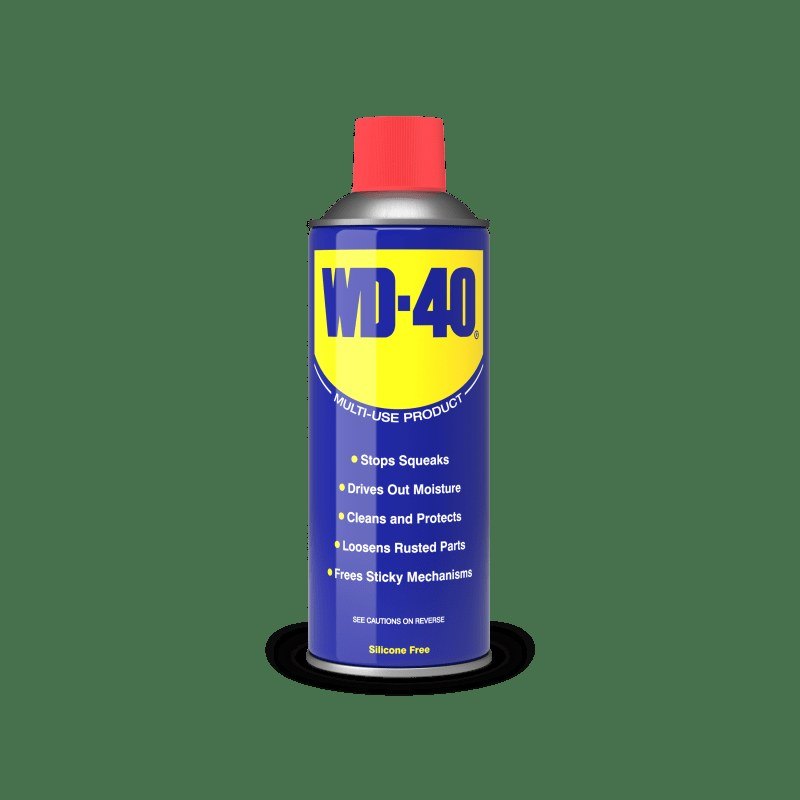
Put the tools into warm water with washing-up liquid and scrub every recess with a sponge or brush. Pre-spray oily stains that will not wash off with WD-40 Multi-Use: it softens greasy grime so it comes away more easily in the water.
Step 3
Dry thoroughly
Lay the tools on paper towels to drain, then wipe each one dry with microfibre. Do not leave water in joints and gaps, as that is where rust appears first.
Step 4
Protect the metal and lubricate joints
Spray WD-40 Multi-Use generously over all metal surfaces and moving parts. It drives residual moisture out of awkward spots, leaves a thin protective film against corrosion and lubricates the joints of pliers, cutters and secateurs.
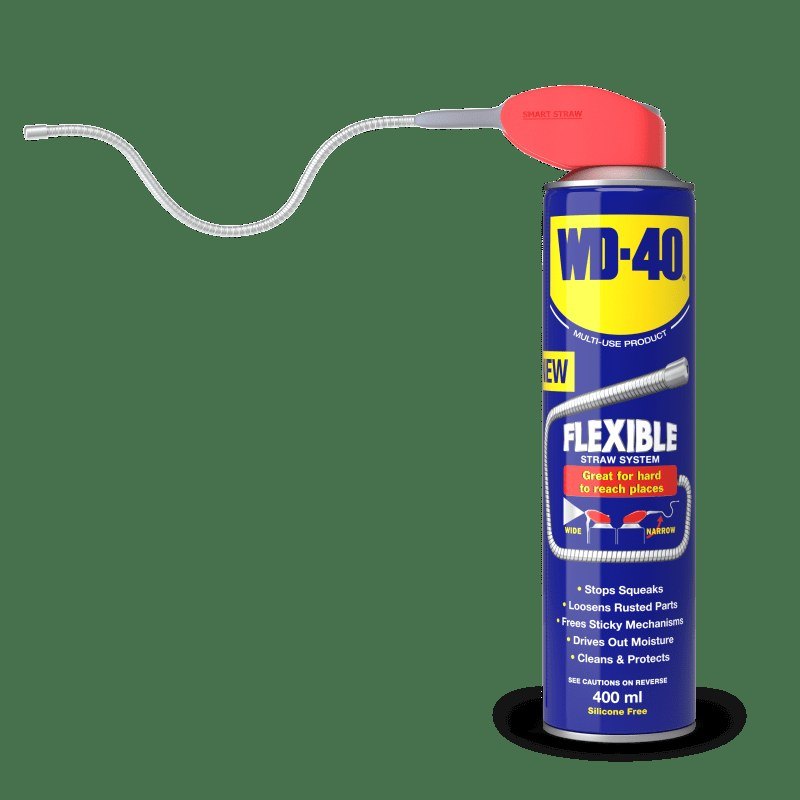
For pinpoint application into pivots and locks, WD-40 Smart Straw with its thin straw is handier. Open and close the tool a few times and wipe off the excess so it does not slip in your hand.
Step 5
Remove the first signs of rust
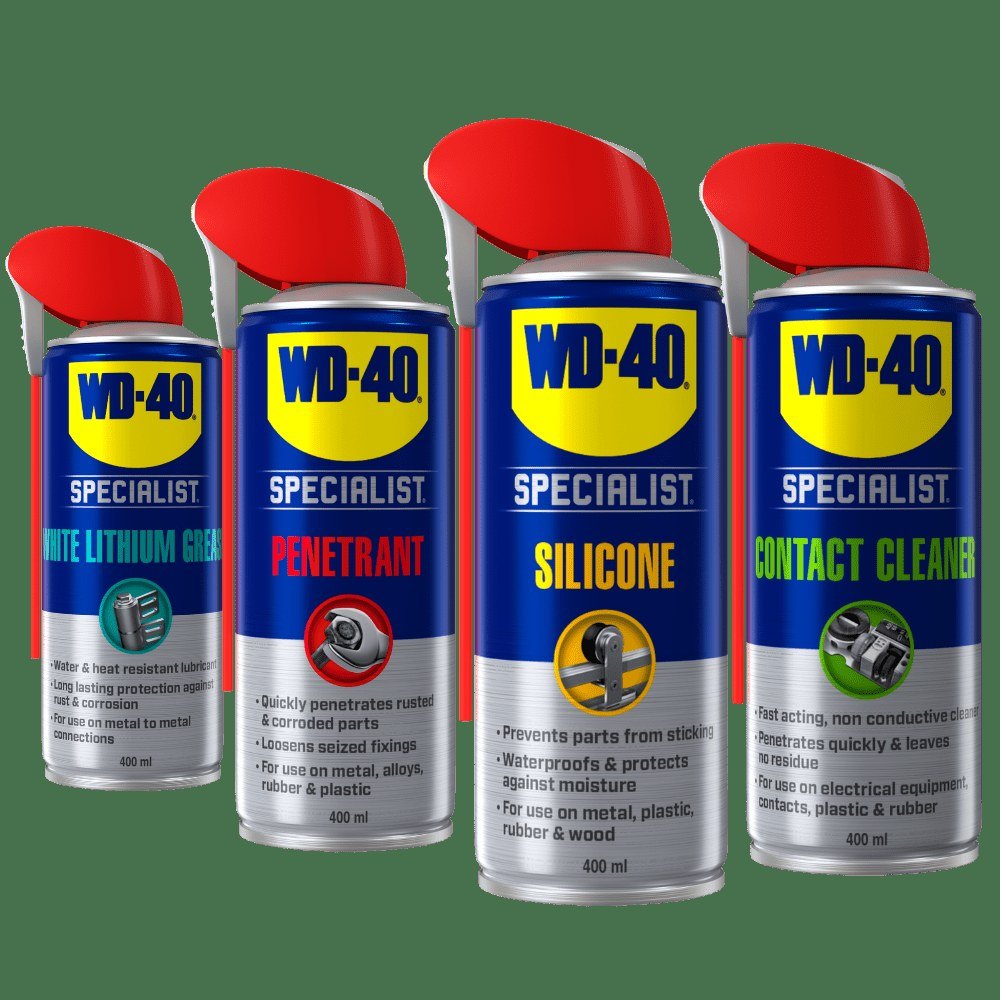
Spotted orange marks? Deal with them now. Soak the affected area with WD-40 Multi-Use, wait 10-15 minutes and scrub off the deposit with a brass or steel brush. Treat a seized joint with WD-40 Specialist Penetrant first.
Then repeat the washing, drying and protective treatment.
Tip: Store tools in a dry box rather than on a concrete garage floor. A sachet of silica gel in the drawer noticeably reduces condensation in damp autumn months.
What next
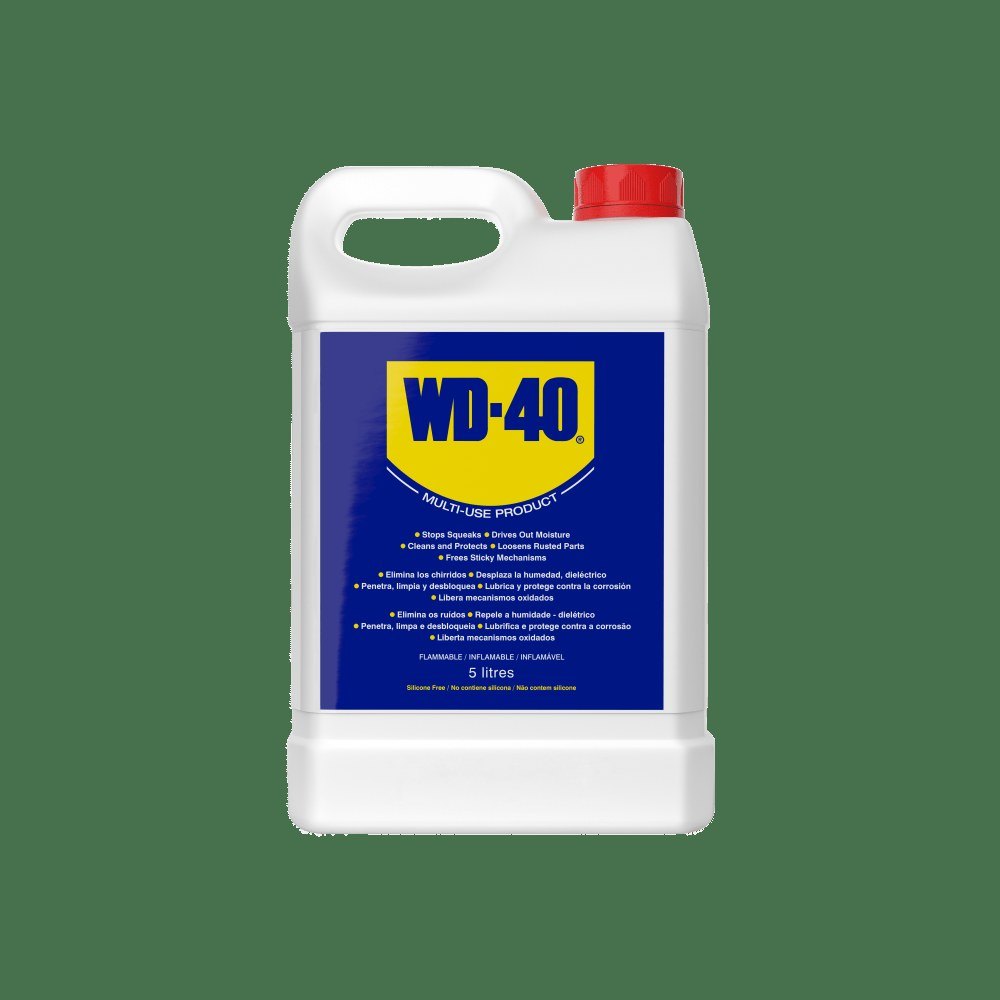
Wipe your tools after every dirty job and give them a full clean once a season. For a workshop with lots of tools, the WD-40 5 l with sprayer is more economical.
These uses come from the experience of WD-40 users in many countries. Always follow the instructions and warnings on the product label.
More guides in «How to use».