Welding equipment varies widely: from a small soldering iron for electronics to a powerful inverter for welding steel, and gas torches for brazing copper and brass. The faults differ, but the need for regular care is the same.
An inverter is a high-current machine, so operator safety comes first. Below are the main routine maintenance tasks for each type of equipment.
What you will need
Important: Only service equipment that is unplugged and completely cool. Aerosols are flammable: never spray them onto hot tips or near flames, sparks or gas equipment, and let them dry completely before switching on.
Step 1
Clean an electronics soldering iron tip
The tip suffers most from heat. Before work, clean off old solder and flux residue: warm it slightly so the solder softens, switch off and rub it with fine sandpaper, then a brass brush.
Finally, with the tip hot, dip it in flux for a few seconds to remove oxidation, and tin it. A damaged tip on an instant soldering gun is easy to replace. Before long storage, a cold tip can be given a thin coat of WD-40 Multi-Use.
Step 2
Service a heavy copper soldering iron
Heat the large tip used for gutters and copper pipes and rub it on a sal ammoniac block, which cleans the copper deeply. Then restore its shape with a soft metal file.
Once it has cooled, treat the tip with WD-40 Multi-Use. The film clings well to metal, protects against oxidation and corrosion even in damp garages and lasts a long time.
Step 3
Clean the inverter cables and clamps
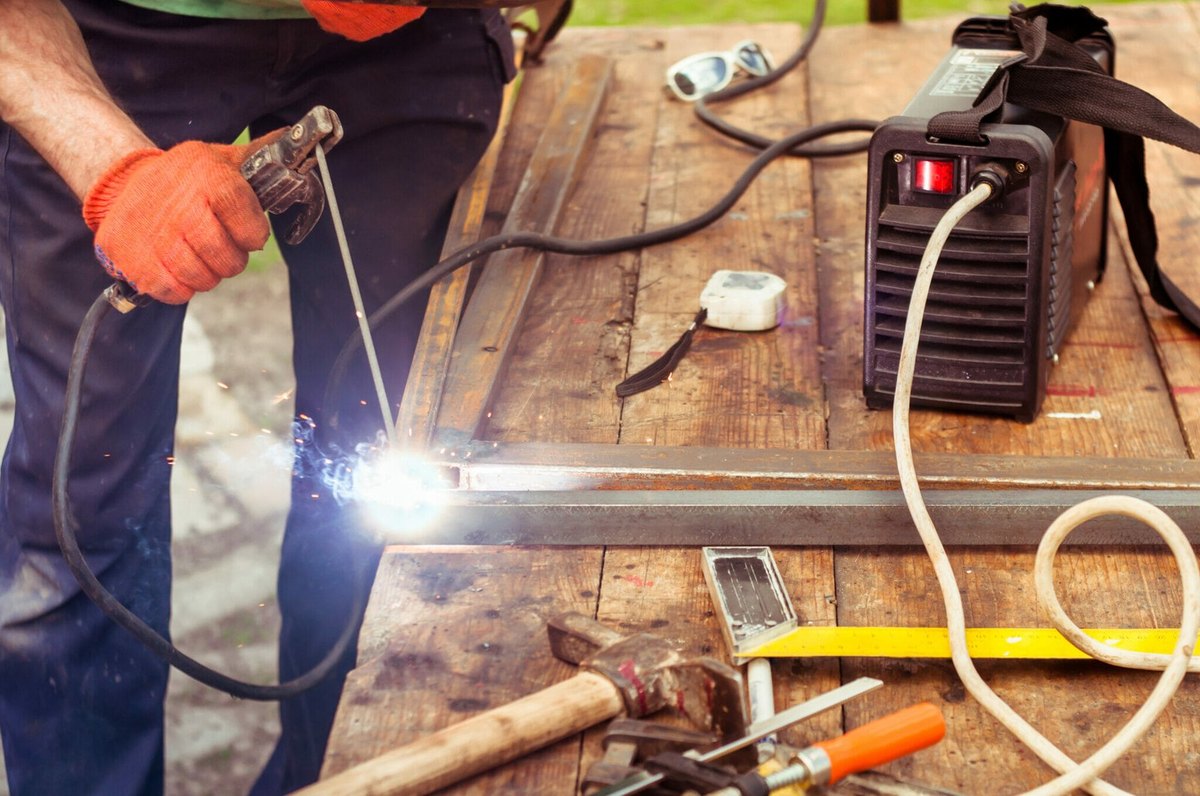
On an inverter, the main items to look after are the earth clamp, electrode holder and cables. Disconnect the cables from the machine's power sockets, brush the contacts with a brass brush and treat them with WD-40 Specialist Contact Cleaner. It dries quickly and restores conductivity.
Brush the earth clamp and electrode holder too. Before long storage, treat the metal parts of both clamps with WD-40 Smart Straw. Check the cable insulation every time: cuts and cracks are dangerous.
Step 4
Blow the dust out of the inverter
Metal dust and scale that get inside cause the electronics to overheat. Unplug the machine, wait a few minutes and blow through the vents with dry compressed air.
Store the welder somewhere dry: in an unheated garage condensation harms the circuit boards more than dust. If the machine trips its protection or welds erratically, take it to a service centre, as opening an inverter yourself is dangerous.
Step 5
Look after the gas torch
After work, dismantle the torch and clean carbon deposits thoroughly from the nozzle. Inspect the gas hoses regularly for cracks and loose clips.
If in any doubt, check for leaks with soapy water or a dedicated leak detector spray. Never apply lubricant to regulators, valves or fittings on oxygen cylinders.
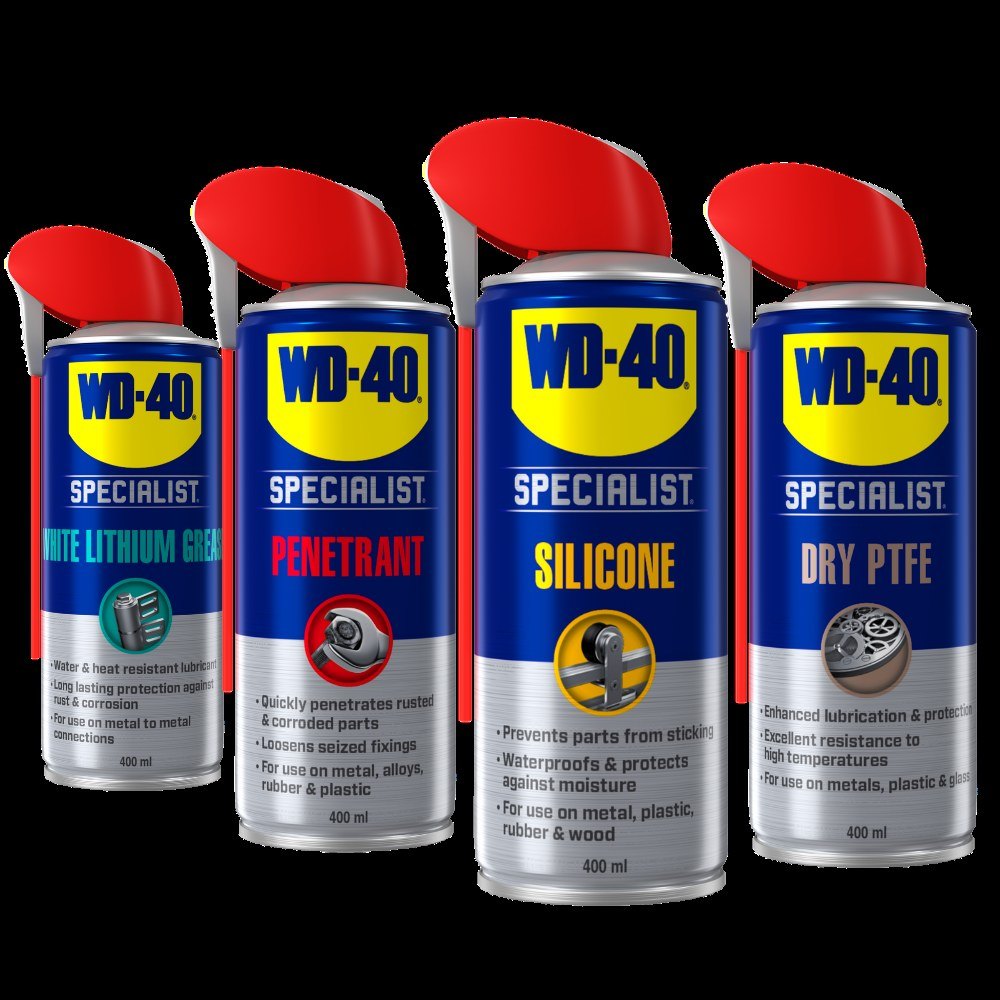
Tip: Keep a separate box by the workstation for the brass brush, sandpaper and contact cleaner. Five minutes of care after each shift saves hours of hunting for a bad connection.
What next
Clean tips before every job, clamps and cables once a month or whenever the arc deteriorates, and check gas equipment before every use. Before seasonal storage, treat all metal parts with WD-40 Multi-Use.
These uses come from the experience of WD-40 users in many countries. Always follow the instructions and warnings on the product label.
More guides in «How to use».