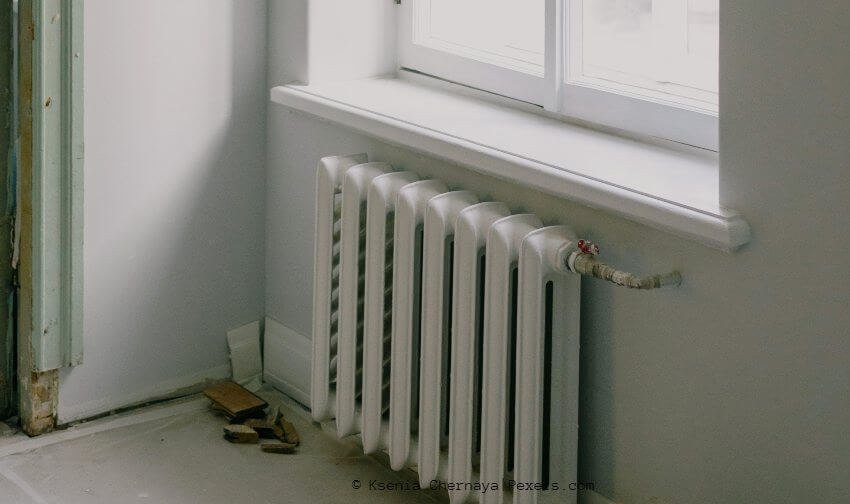
Every radiator has at least two valves: the flow valve, operated by a handwheel or thermostatic head, and the return lockshield valve, set with a screwdriver or hex key. At the top there is also a small bleed valve for releasing air.
Over the summer, while the heating is off, limescale, rust and iron sludge harden, so at the start of the season a valve will not open, or in winter it will not close. The golden rule: never force anything. The system holds a lot of water under pressure, and a snapped spindle means a leak, draining the system and calling a plumber.
What you will need
Important: Do not force a seized valve with a spanner or tap it with a tool: brass spindles break easily, and the water in the system is hot and pressurised.
Step 1
The handwheel will not turn
The most common case is a handwheel that was closed hard in spring. Undo the small screw holding the wheel on the spindle, then remove the wheel and the plastic collar beneath it. This exposes the moving pin that presses on the valve.
Apply a few drops of WD-40 Specialist Penetrant to the pin and its base and wait 10-15 minutes. It penetrates quickly, dissolves rust and is not washed away by water. Then gently rock the pin in both directions with pliers and refit the wheel.
Step 2
If the pin is still stiff, heat the radiator
Turn the heating on and let the radiator warm up: the metal expands slightly and the deposits release their grip. Then shut off the flow, wait until everything has cooled and only then repeat the treatment and try to turn the valve.
Step 3
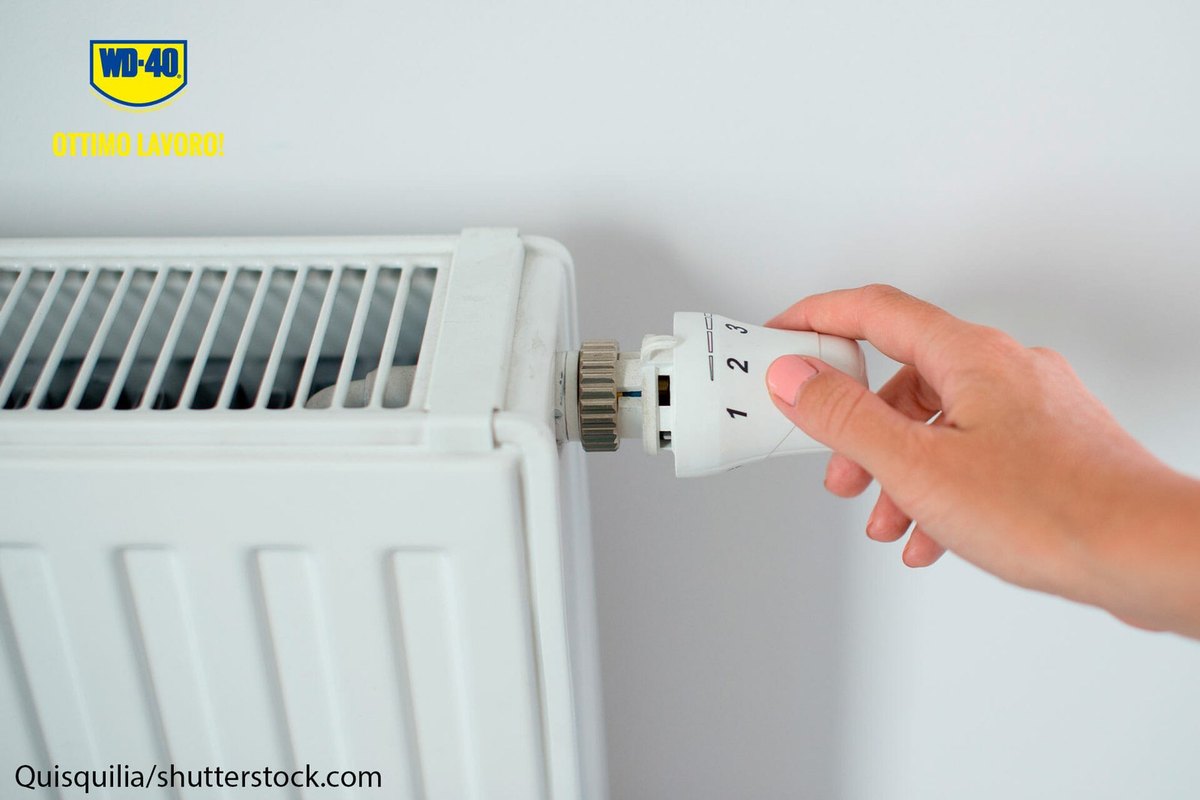
The thermostatic head will not turn
There are two causes: the valve pin has seized, or the head mechanism itself has failed. Unscrew the collar securing the head to the valve body and lift it off. Treat the pin underneath with WD-40 Specialist Penetrant and press it with your finger several times until it springs back freely.
If the pin moves but the head does not, the fault is inside the head. You can try spraying WD-40 Smart Straw into any openings, but usually it is simpler to replace the head.
Step 4
The lockshield valve is stuck
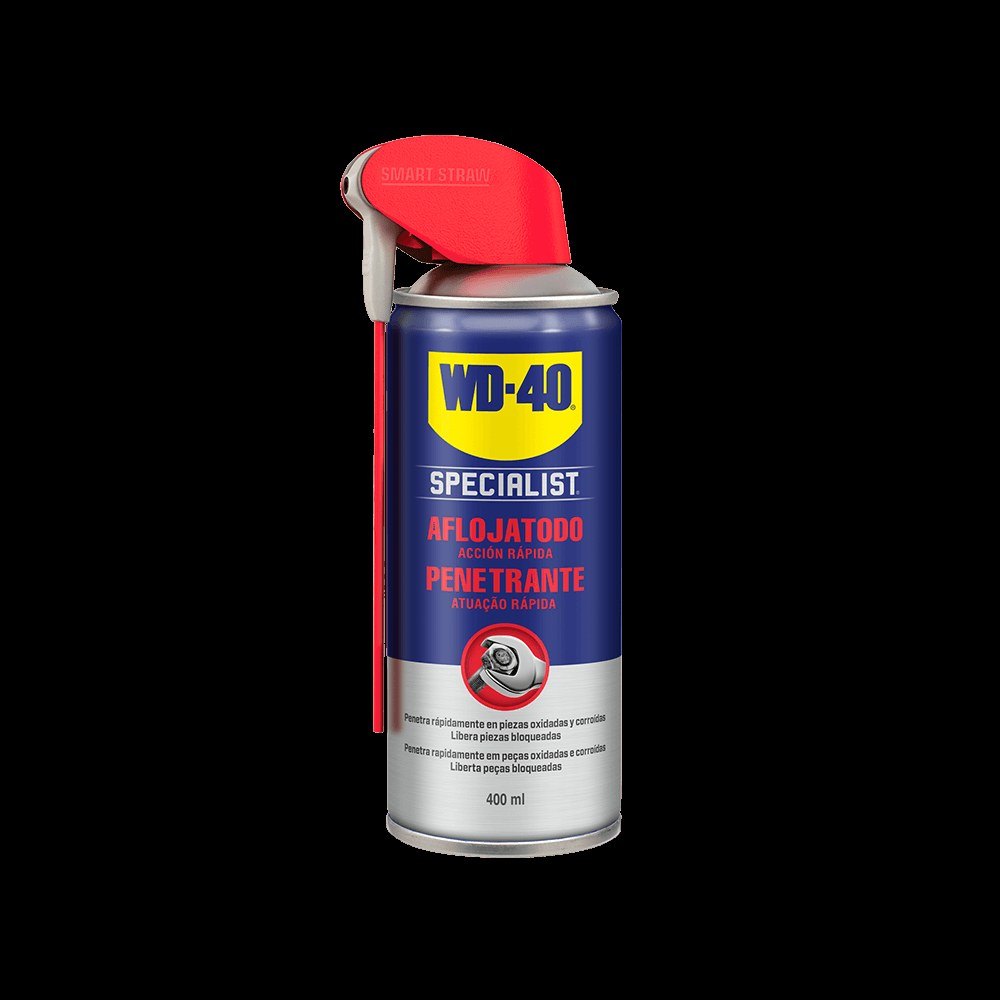
Remove the protective cap and try turning the valve screw with a screwdriver or hex key. If it will not budge, put a drop of WD-40 Specialist Penetrant on the thread, wait, and try again with small back-and-forth movements.
Remember that the installer used this valve to balance the system. Count how many turns open it is before you start, and return it to the same position afterwards.
Step 5
The bleed valve is seized
The small air bleed valve often gets crusted with rust and limescale. Spray it with WD-40 Multi-Use, which works on both types of deposit, and wait a few minutes. Hold a glass underneath, place a cloth below and turn the valve with the bleed key. If it resists, repeat with the penetrant.

Tip: To stop valves seizing, turn handwheels, thermostatic heads and bleed valves slightly in both directions every few weeks (with a glass underneath) and never tighten them fully home.
What next
The best time to check valves is the end of summer, before the heating season starts. For small jobs around the house, keep a can of WD-40 200 ml handy.
These uses come from the experience of WD-40 users in many countries. Always follow the instructions and warnings on the product label.
More guides in «How to use».