The key barely goes into the keyhole, will not turn or gets stuck, and the handle hardly moves the latch: a familiar story with front doors, garages, gates and balcony doors. The cause is usually dust and dirt inside, old dried-up lubricant, rust from damp or, in winter, ice.
The golden rule is not to use force. A key snapped off in the cylinder turns a small problem into a locksmith call-out. A few minutes with the right product will usually get the lock moving freely again.
What you will need
Important: Do not force the key or use pliers on it: it can snap inside the cylinder. Never put thick grease or machine oil into a keyhole, as it collects dust and eventually jams the pins even more.
Step 1
Work out what is sticking
A door lock consists of a cylinder with a fixed body and a rotating plug, a latch worked by the handle, a deadbolt thrown by the key, and a strike plate on the door frame.
If the key will not go in or turn, the problem is in the cylinder. If the key turns but the door will not open, the latch or deadbolt is sticking. Sometimes the door has dropped and the bolt rubs on the strike plate, in which case adjusting the hinges helps.
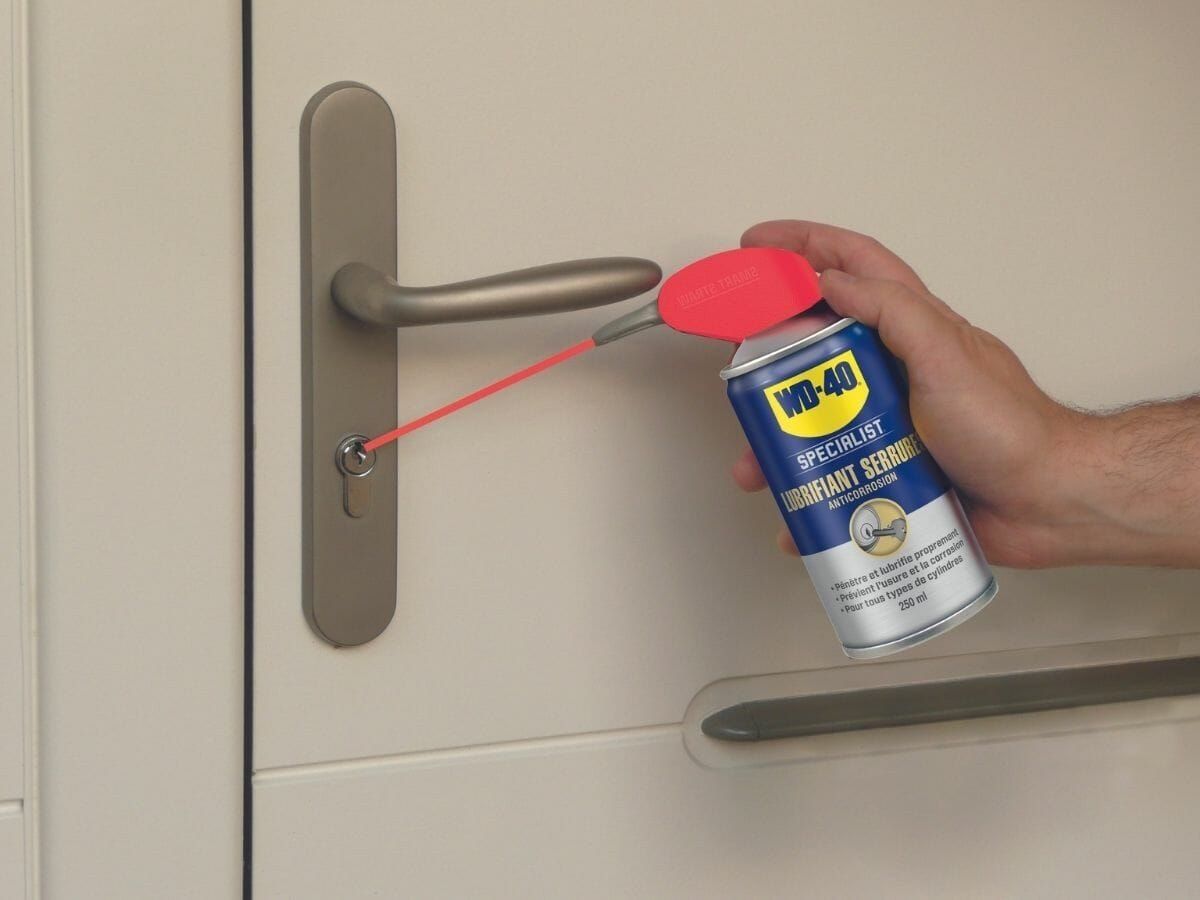
Step 2
Clear dust from the keyhole
Blow out the keyhole with compressed air through a thin nozzle to remove sand and dust. If you have no air can, carefully clean the entrance with a cotton bud.
Brush dirt off the latch, the deadbolt and around the keyhole. That way the product works on clean metal and the key does not push dirt deeper.
Step 3
Choose the product and apply it
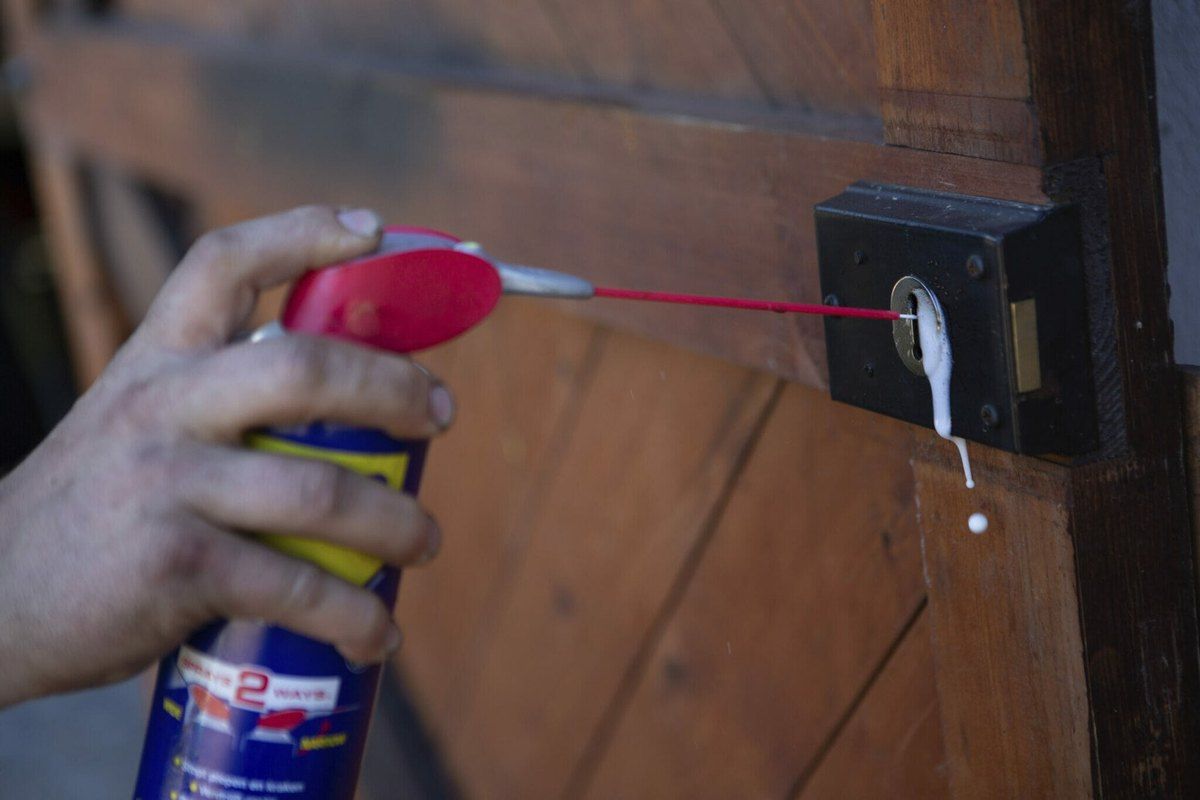
For ordinary stiffness, and even for a frozen lock, WD-40 Smart Straw does the job: it displaces moisture, dissolves dirt and lubricates the pins. If rust has seized the mechanism, use WD-40 Specialist Penetrant, which creeps into stuck parts faster.
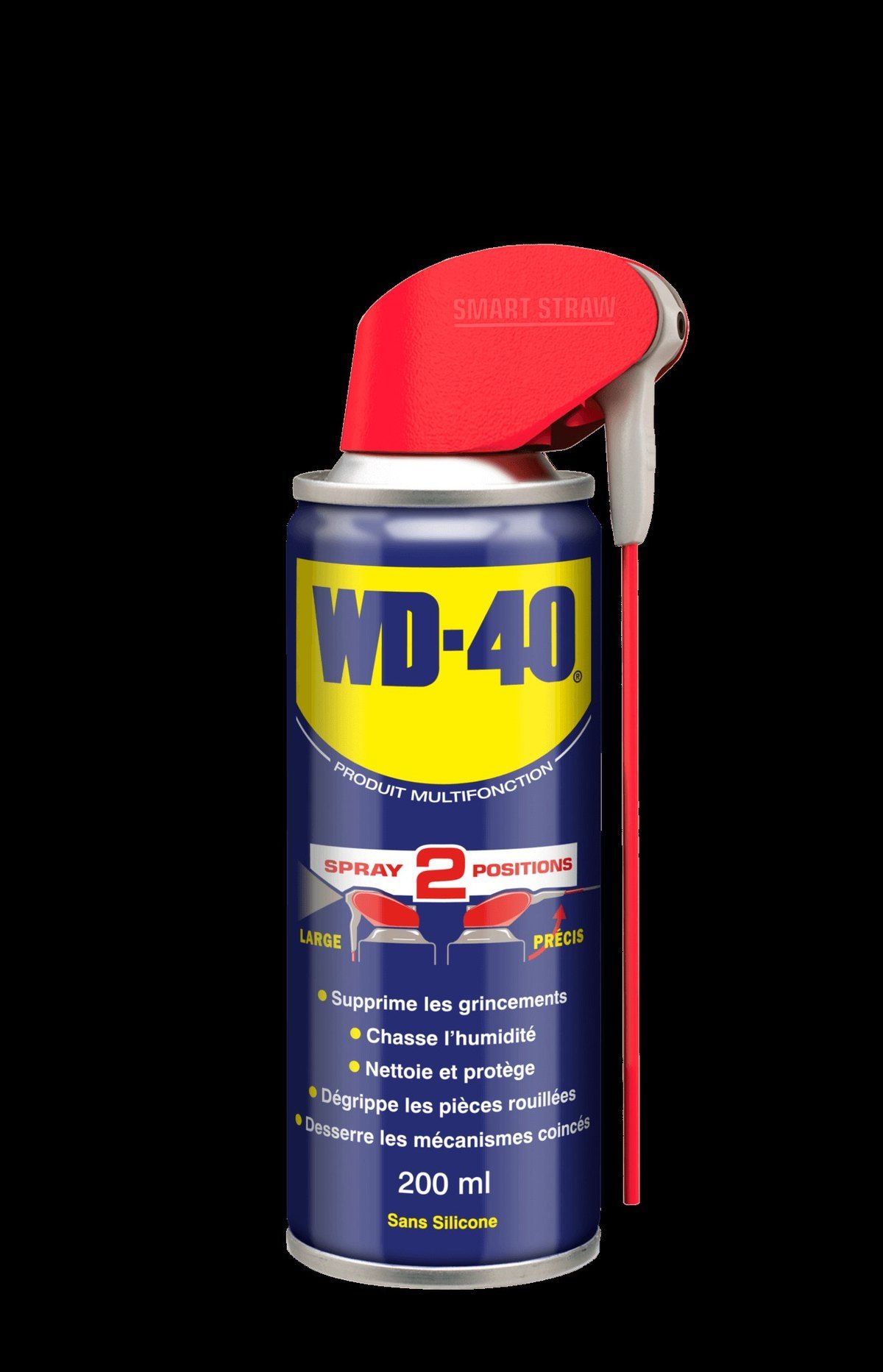
Shake the can well, flip up the straw, put it into the keyhole and give a short burst. If needed, lightly spray the key too. There is no need to overdo it: short bursts are enough.
Step 4
Work the mechanism with the key
Wait a minute, then insert the key and turn it back and forth several times so the product spreads through the cylinder. You should feel the difference straight away.
If it is still stiff, repeat the treatment and leave it for 10-15 minutes. Remove the key and wipe it and the cylinder face to get rid of the dirt that comes out with the product.
Step 5
Clean the latch and deadbolt
The latch and deadbolt on the door edge also collect dirt and seize. Spray a little WD-40 Multi-Use onto them through the straw, wait a few seconds, then work the handle and turn the key several times.
Wipe away dirt and excess with a dry cloth. If the parts are very dirty, repeat.
Step 6
Maintain the lock regularly
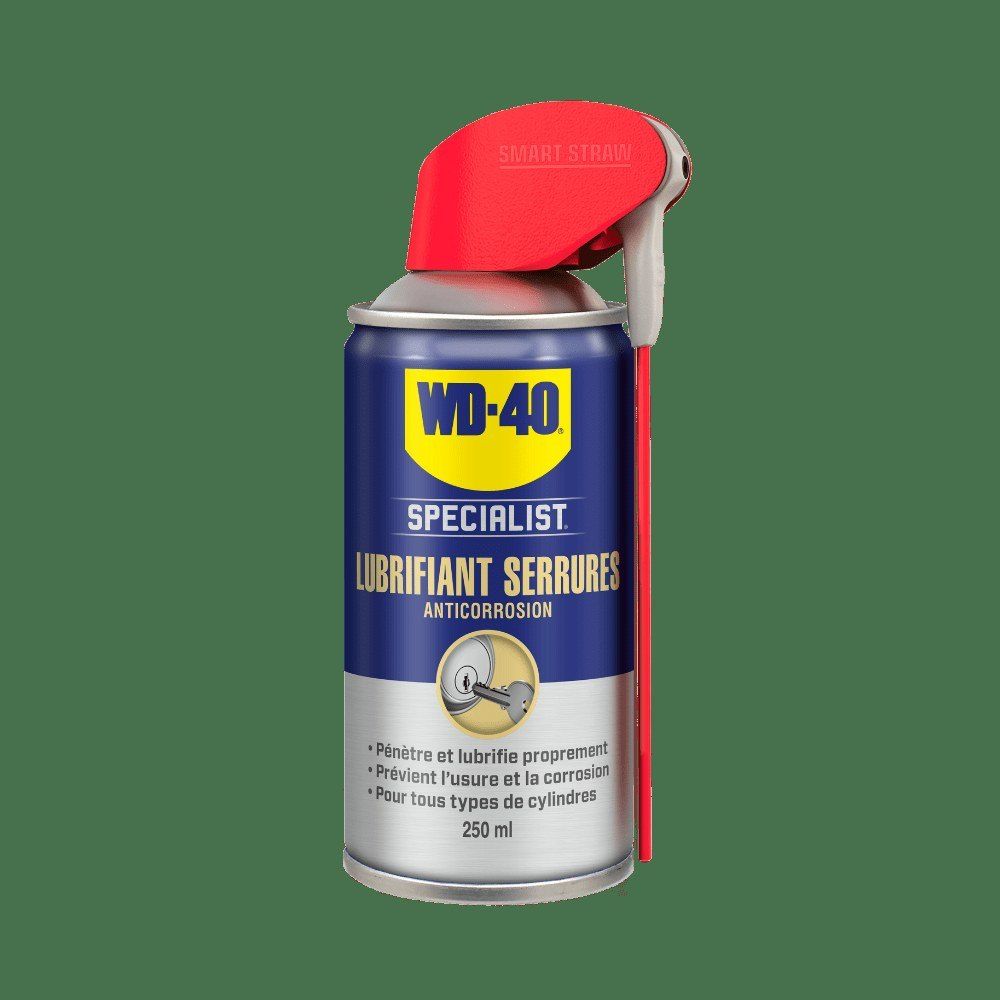
To stop the lock seizing again, treat the cylinder with WD-40 Smart Straw once or twice a year, and outdoor, garage and gate locks more often, especially in autumn before the frosts.
Regular care flushes dust out of the mechanism, displaces moisture and reduces wear on the key and pins.
Tip: If a lock is frozen, do not pour hot water into it: it will refreeze even deeper. Warm the key, insert it carefully, and once the lock has thawed treat the cylinder with WD-40 to drive out the meltwater.
What next
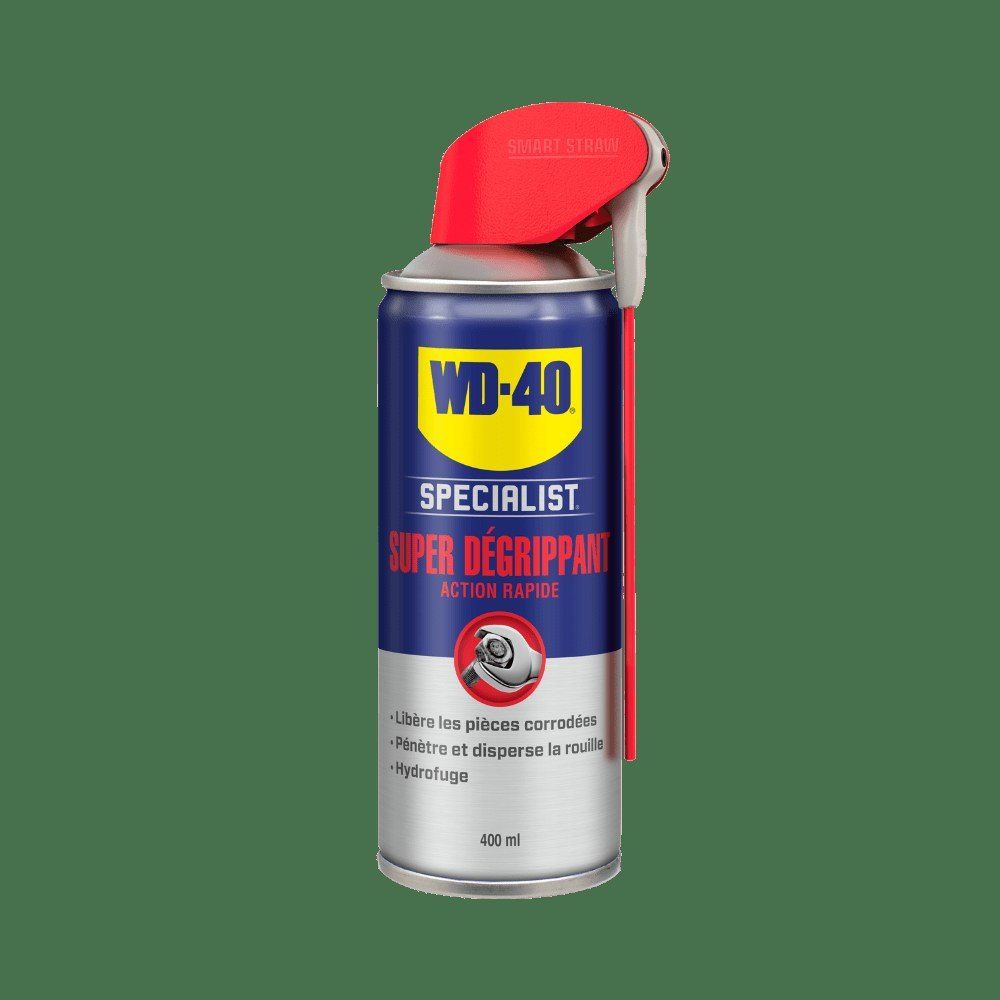
If the key still sticks after several treatments, the pins or the key itself are probably worn and the cylinder is best replaced. WD-40 Multi-Use also comes in handy for squeaky hinges, padlocks and the mailbox.
These uses come from the experience of WD-40 users in many countries. Always follow the instructions and warnings on the product label.
More guides in «How to use».