The steering lock is a simple anti-theft device: when the key is removed from the ignition, a steel pin drops into a slot in the steering column and holds the wheel. The mechanism is built into the ignition switch, so when it sticks, the key will not turn and the wheel will not unlock at the same time.
Most of the time nothing is broken. The wheel may be under tension, the cylinder may be dirty and stiff, or the key may be slightly bent. Most cases can be sorted out on the spot in a few minutes.
What you will need
Important: Never force the key or use pliers on it: it can snap inside the cylinder. Spray only into the keyhole in short bursts and do not flood the column. If the car is under warranty or has keyless entry, take it to a garage.
Step 1
Take the tension off the wheel
The most common cause: the front wheels were turned when you switched off, or the wheel was moved after the key came out. The locking pin is pinched in its slot and the key cannot retract it.
Insert the key and, while turning it gently towards the ignition position, rock the steering wheel left and right. Feel for the direction in which the wheel gives slightly: at that moment the key usually turns without effort.
Step 2
Find the cause if the wheel stays locked
If tension is not the issue, there are three likely causes. The lock cylinder has collected dust and dirt over the years and the pins have seized. The key is bent or worn and no longer lifts the pins correctly. Or a part inside the lock is damaged through wear or excessive force.
The test is simple: try the spare key. If it works, the main key is at fault. If not, the problem is in the cylinder.

Step 3
Free the cylinder with lubricant
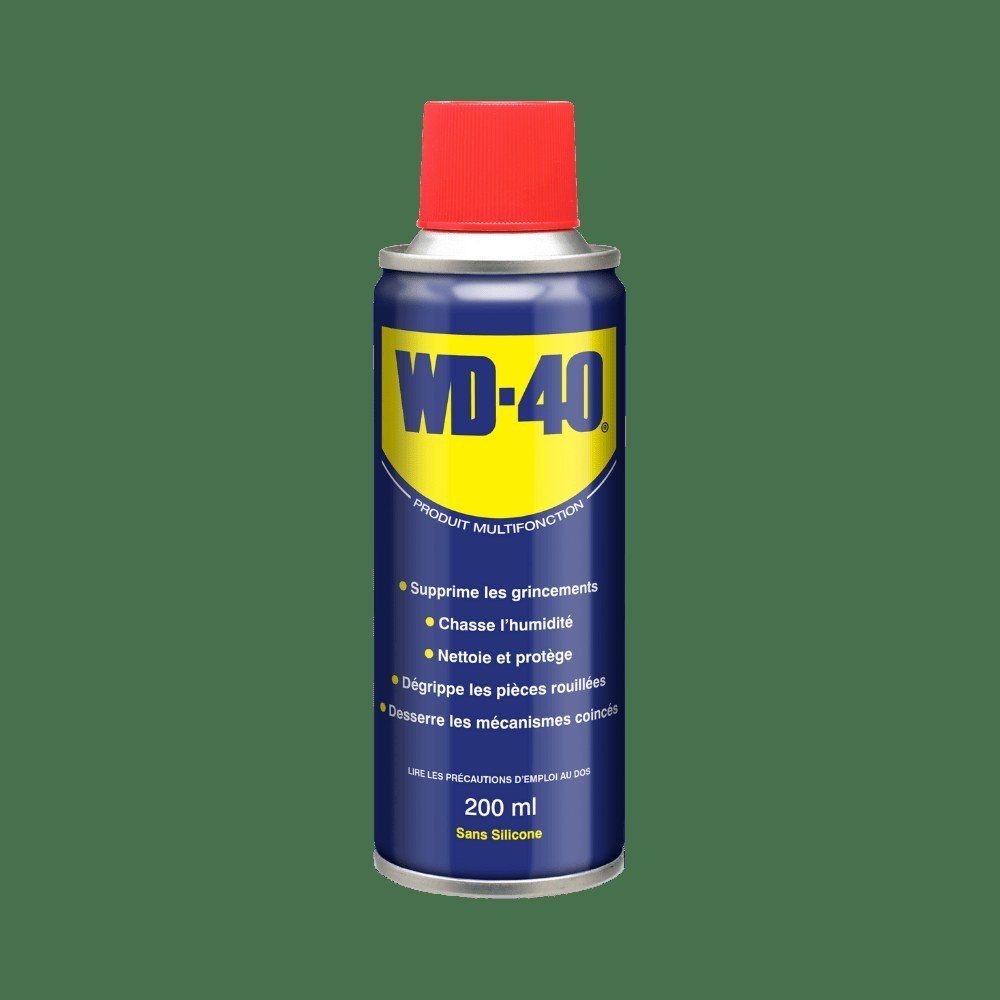
Flip up the WD-40 Smart Straw straw, put its tip into the ignition keyhole and give 1-2 short bursts. Lightly spray the blade of the key as well.
Wait a minute, insert the key and turn it gently through its range a few times so the product spreads over the pins. You should feel the difference immediately. Wipe the excess off the key and the cylinder face so it does not run onto the column trim.

Step 4
Check the key
If lubrication does not help, lay the key on a flat surface and check it: even a small bend causes trouble. A slightly bent all-metal key can be carefully straightened with light taps of a mallet on a flat, hard surface.
Do not try this with a key that has a chip or remote, as you may damage the electronics. A cracked or worn key needs replacing: have a new one cut by code at a dealer or key specialist.
Step 5
See a garage if the lock is damaged
If the key is fine but the lock still will not turn after lubrication, a part inside is probably broken. The usual fix is to replace the whole ignition switch and steering lock assembly, normally with a new key.
Leave this to a garage or dealer: they will source the right part and, on modern cars, code the key to the immobiliser. After the repair, lock and unlock the wheel several times to check it.
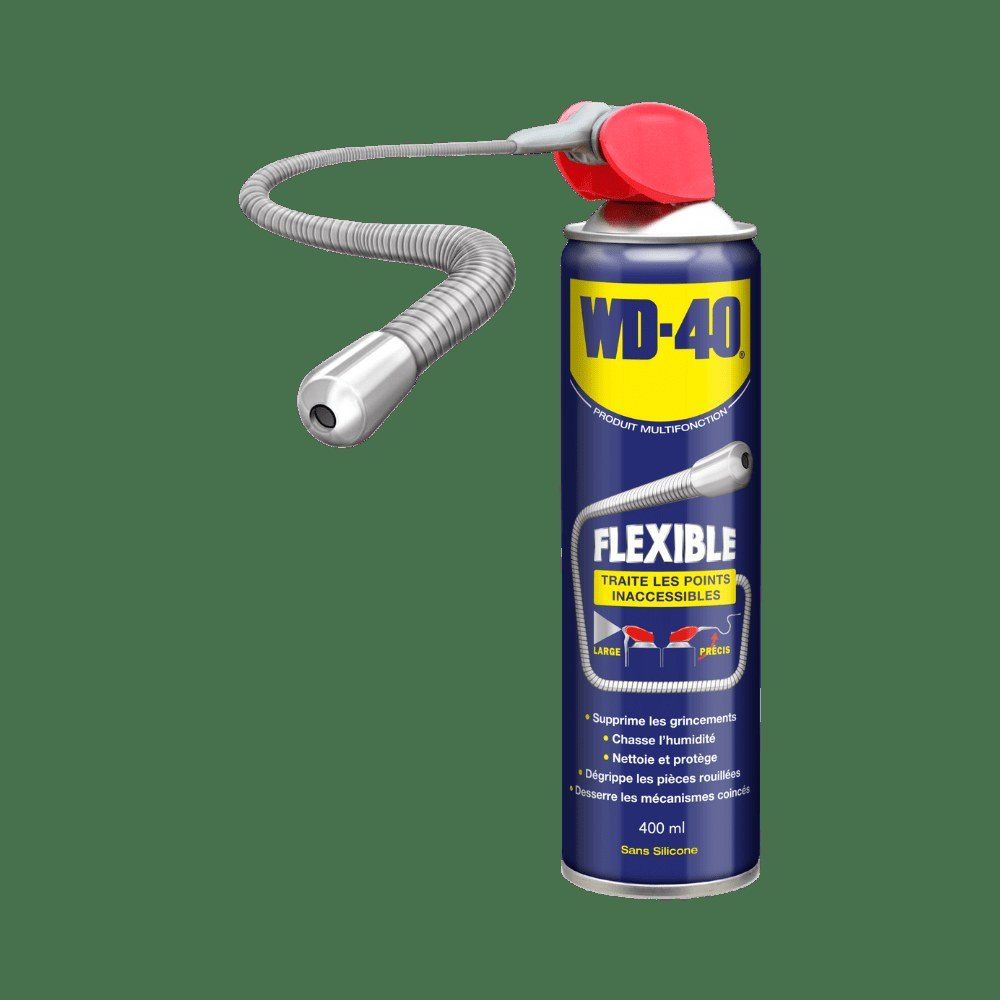
Tip: To stop the wheel locking under tension, straighten the front wheels before switching off and do not turn the wheel once the key is out. Once a year, especially in autumn, give the ignition keyhole a short burst of
WD-40 Smart Straw so moisture does not collect in the cylinder and freeze the pins in winter.
What next
The same WD-40 Multi-Use is handy for door and boot locks, the fuel cap lock and door hinges. Treat them all before winter and a frosty morning will not start with a fight against the key.
These uses come from the experience of WD-40 users in many countries. Always follow the instructions and warnings on the product label.
More guides in «How to use».