We look after the bodywork and interior regularly, but tyres often only get washed along with the car. Yet the wheels work in the harshest conditions of all: mud, snow, salt and de-icers, asphalt dust, and oil and fuel spills on the road.
Clean tyres are easier to inspect for cuts and bulges, and the rubber does not dry out under a layer of aggressive dirt. The wheels themselves collect brake pad dust and a greasy film that ordinary shampoo will not shift. Here is how to care for tyres and wheels together.
What you will need
- a brush with medium-stiff bristles
- a bucket of warm water with car shampoo
- microfibre cloths and paper towels
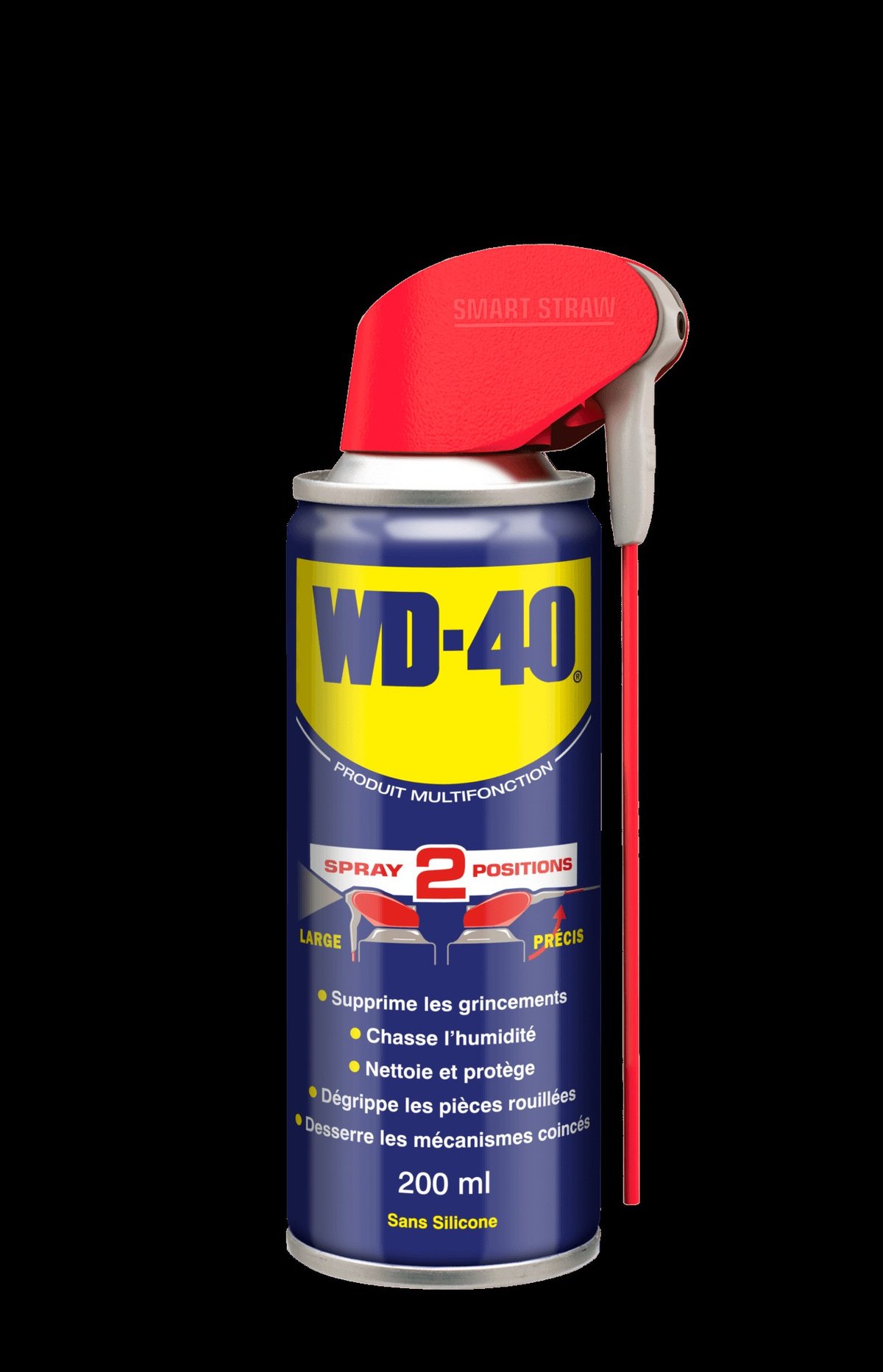
- WD-40 Multi-Use for greasy marks on the wheels
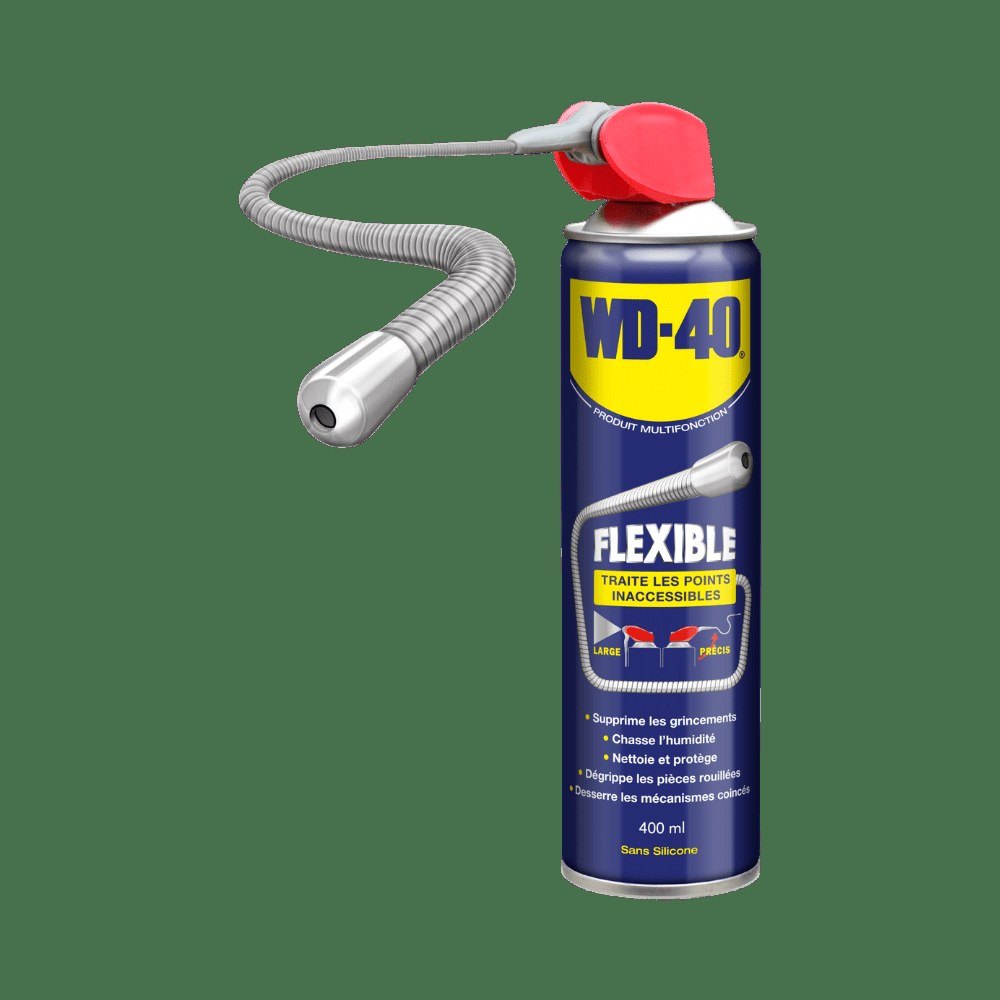
- WD-40 Trigger Pro for treating all four wheels quickly
- tyre dressing (optional)
Important: WD-40 is not applied to the tread or sidewalls, or to brake discs and pads. Before treating the wheels, shield the brake disc with cardboard or a cloth and wipe any overspray off the rubber straight away.
Step 1
Inspect the wheels
Look closely at the tread and grooves. Pick out stones, glass and nails, but if something has gone deep into the tyre, leave it in and drive to a tyre shop.
Check both sidewalls, inner and outer. Cracks, bulges and cuts down to the cords mean dangerous damage that a tyre fitter must assess. Make sure the balance weights and valve caps are all in place.

Step 2
Wash the tyres
Wet the tyre with soapy water and scrub with a medium-stiff brush. Go over the tread grooves and the edge next to the wheel several times, where fine brake dust gathers. Rinse, repeat on any spots still dirty, then rinse again.
In winter wash the wheels as often as you can: salt and de-icers dry out rubber and eat into the wheels.

Step 3
Remove greasy marks from the wheels
A normal wash does not always remove grease spots and oily film from the wheels. Shield the brake disc, spray WD-40 Multi-Use onto the dirty areas and work them with a brush: the grime comes away easily.
If you are doing all four wheels at once, WD-40 Trigger Pro is more convenient, giving an even spray over a large area. Finish by wiping the wheel with a clean, dry cloth, leaving a thin film that repels moisture.
Step 4
Dry and dress the tyres
Dry the tyres and wheels thoroughly with microfibre and paper towels. If you want to restore a deep black finish, apply a dedicated tyre dressing with its applicator to the sidewalls only, never the tread.
Step 5
Prepare the set for storage
At the seasonal changeover, wash the tyres completely on both sides and dry them before stacking. Ask the tyre fitter to check the inner surface for defects.
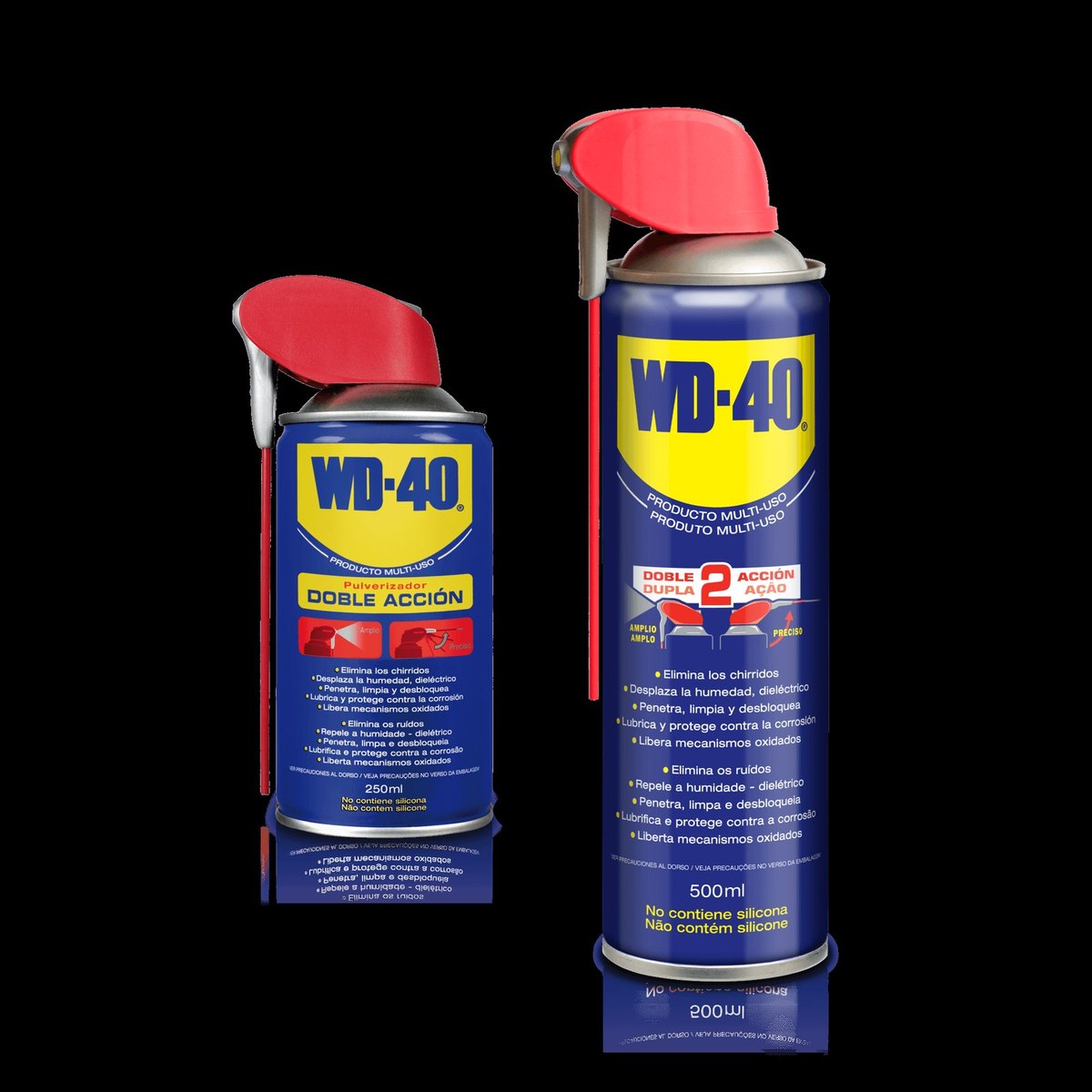
If you store the tyres on wheels, treat the hub mounting faces and bolt holes with WD-40 Multi-Use so they do not seize with rust by spring. Mark each wheel's position with chalk and keep the set somewhere dry and dark.
Tip: After washing, put a little
WD-40 Multi-Use on a cloth and wipe the valve caps and the metal parts of the valves: the caps will not seize, and in winter they unscrew easily when you need to add air.
What next
Give the wheels a thorough clean once a month and always before the seasonal changeover. Check the pressures regularly too: clean tyres at the right pressure last longer and are safer on wet roads.
These uses come from the experience of WD-40 users in many countries. Always follow the instructions and warnings on the product label.
More guides in «How to use».