Cords from the TV, computer, power tools and extension leads usually lie in corners and behind furniture, collecting dust, pet hair and cobwebs. In the garage and workshop you can add paint splashes, grease marks and building dust.
A clean cord does more than look tidy: under a layer of grime it is easy to miss a crack in the insulation. Below is how to sort your cables out in about an hour and protect them from moisture.
What you will need
- dry cloth or duster
- washing-up liquid, warm water and a sponge
- putty knife or old spoon, vinegar, baking soda
- old toothbrush, wooden toothpicks, compressed air
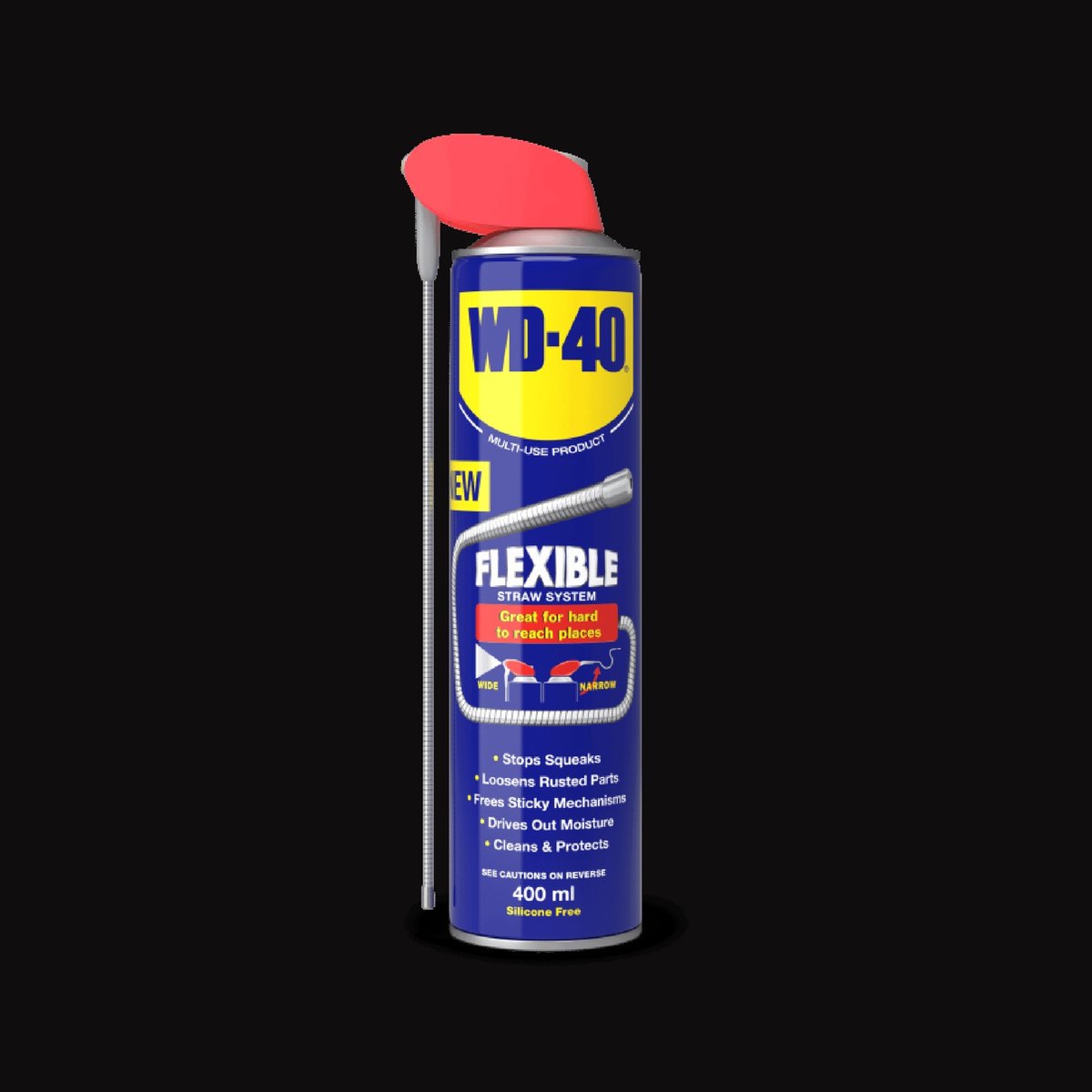
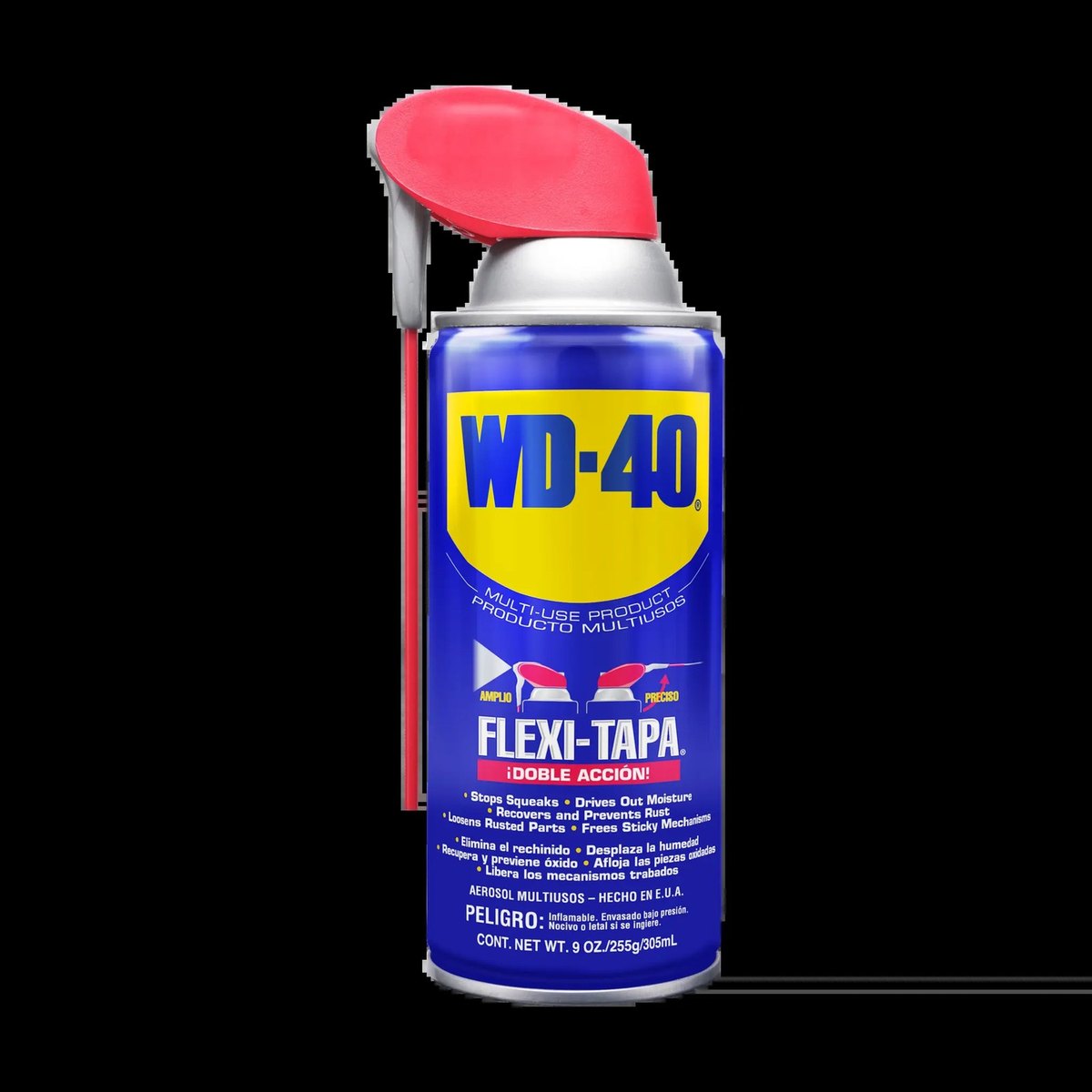
- WD-40 Multi-Use or WD-40 Smart Straw
Important: Only work on cords that are unplugged. Damaged, chewed, cracked or frayed cables should be replaced, not cleaned. Keep water and cleaners out of plugs and sockets.
Step 1
Unplug and dust off
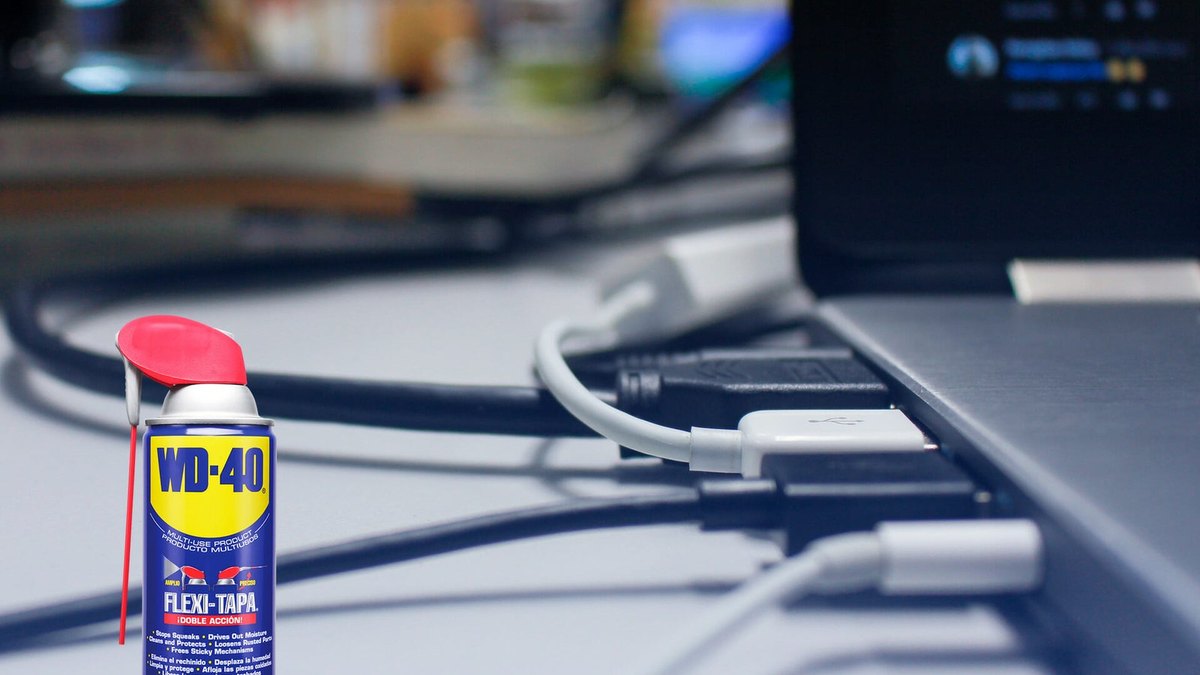
Pull the plugs from the sockets and switch extension leads off. Run a dry cloth or duster along the full length of the cord to remove dust, hair and loose debris.
Check the insulation as you go: if you see bare wires, cracks or teeth marks from pets, replace that cord.
Step 2
Wipe with soapy water
Mix a little washing-up liquid into warm water. Dip the sponge, wring it out well, wrap it round the cord and draw it along the whole length. Do not use alcohol or harsh solvents on the insulation.
Then wipe the cable dry.
Step 3
Remove paint splashes
Gently scrape dried paint drops off with a plastic putty knife or spoon without cutting into the insulation. If the paint holds on, press a paper towel soaked in warm vinegar against it for a few minutes.
You can also warm the spot with a hairdryer on a moderate setting to soften the paint.
Step 4
Brighten yellowed insulation
White cables turn yellow over time. Mix baking soda and water into a paste, apply it with a toothbrush and leave it until it starts to dry.
Then remove it with a damp sponge and wipe the cord dry.
Step 5
Clean sockets and plugs
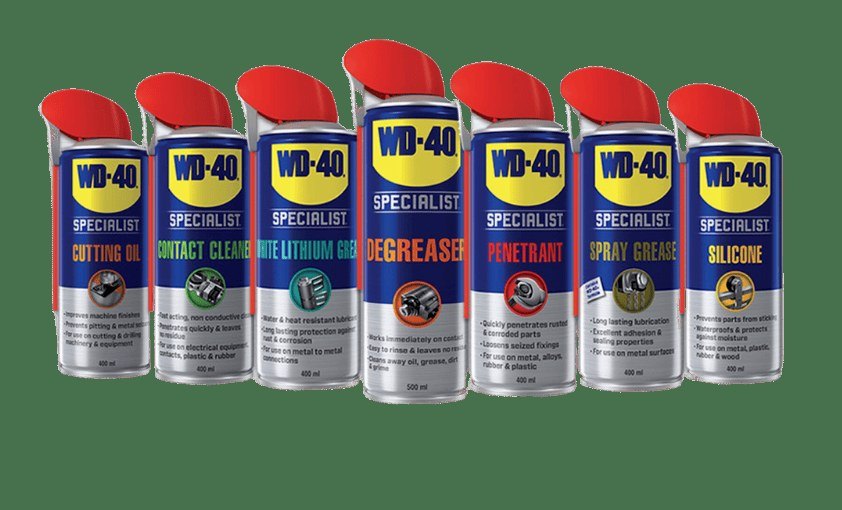
Pick dirt out of extension lead sockets with a wooden toothpick first, then blow them out with compressed air. Wipe tarnished plug pins with a cloth carrying a little WD-40 Specialist Contact Cleaner and let them dry before plugging in.
Step 6
Protect the cord from moisture and dirt
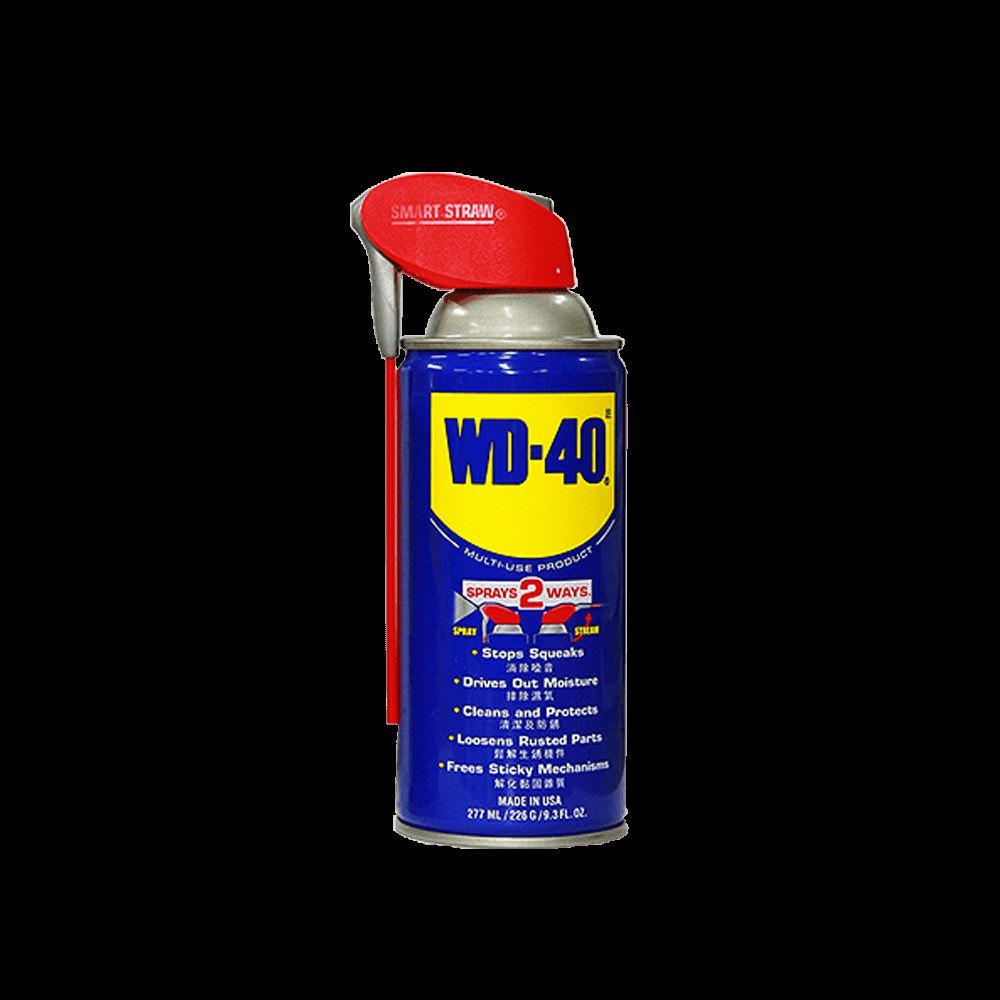
Put a little WD-40 Multi-Use on a clean cloth and wipe the outer sheath along its full length. The thin film repels moisture and dust and protects the metal parts of plugs from rust.
In tight spots, WD-40 Smart Straw is handy for spraying onto the cloth through its thin straw. Wipe off any excess and only plug the appliance in once everything is dry.
Tip: In a garage or summer house where winter condensation settles on anything metal, wipe the plugs and pins of extension leads at the start and end of each season. It noticeably reduces corrosion.
What next
Dust cords whenever you clean the room and give them a deep clean every few months. Garden and building site extension leads deserve a clean after each working season. For contacts and connectors keep WD-40 Specialist Contact Cleaner to hand.
These uses come from the experience of WD-40 users in many countries. Always follow the instructions and warnings on the product label.
More guides in «How to use».