A sailing yacht needs attention all year, not just before launch. Regular care prevents expensive repairs to the hull and machinery, keeps the boat safe on the water and protects its resale value.
It is easiest to split the work into five areas: hull, woodwork, sails and rigging, deck hardware, and engine and electrics. The main jobs happen in spring and autumn, with quick checks in between.
What you will need
Important: Keep lubricants off decks, teak and steps people walk on, as they become slippery. Switch off the main isolator before working on electrics, and only go up the mast with a safety line.
Step 1
Inspect and service the hull
With the boat ashore, check the hull above and below the waterline for gelcoat cracks, osmosis blisters, impact marks and the condition of the keel and rudder. Clean off fouling, repair damage and renew antifouling if needed.
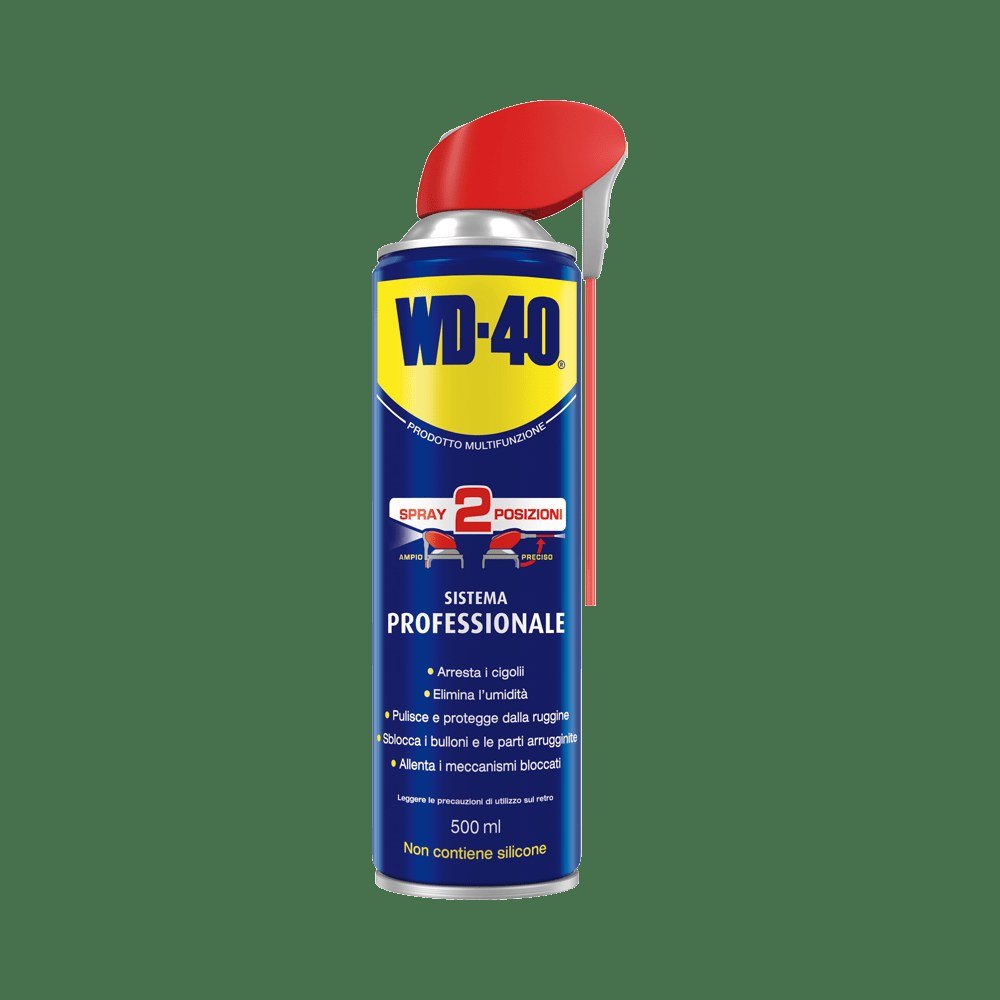
Treat metal fittings, hatch hinges and rails with WD-40 Multi-Use and spread it with a cloth: the film displaces moisture and holds back corrosion.
Step 2
Look after the woodwork
Varnished wood and teak decks suffer from sun and salt. Check the varnish: where it has cracked, water will get into the timber. Sand damaged areas and re-varnish them; wash teak with mild cleaners along the grain and treat it with a dedicated wood sealer.
Clean and protect metal fittings set into wood (screws, plates, hinges) so dark stains from corrosion do not form around them.
Step 3
Sails and rigging
Check sail seams, eyelets and bolt ropes, standing rigging wires and fittings such as split pins, bottlescrews and shackles. Rinse running rigging in fresh water from time to time and let it dry.
Lubricate moving parts such as block sheaves, traveller tracks and mast luff grooves with WD-40 Specialist Silicone: it is not sticky, does not attract dust and is safe on plastic and rubber. Treat stiff bottlescrews and shackles with the same lubricant through the straw.
Step 4
Deck hardware
Winches, clutches and hinges work under heavy loads. Once a season, strip the winches, clean off old grease and apply a thin coat of WD-40 Specialist White Lithium Grease to shafts and gears, while pawls and springs get a light WD-40 Multi-Use.
Step 5
Engine and electrics
The engine needs scheduled oil and filter changes and belt and impeller checks according to the maker's service plan. Treat corroded connectors on navigation lights, instruments and pumps with WD-40 Specialist Contact Cleaner, which removes dirt and moisture and evaporates without residue. Keep battery terminals clean and check the voltage monthly.
Tip: Rinse deck hardware in fresh water after every saltwater sail. Salt that dries inside blocks and winches acts as an abrasive and wears bearings faster than any load.
What next
Carry out a full inspection twice a year, in spring before launch and in autumn before lay-up. In between, keep a can of lubricant with a straw on board for quick treatment of hinges, locks and shackles.
These uses come from the experience of WD-40 users in many countries. Always follow the instructions and warnings on the product label.
More guides in «How to use».