The part of a wiper that wears fastest is the rubber strip in the blade. Over time the rubber hardens, cracks and stops following the shape of the glass, so it smears and leaves water behind. Frost, ice and road salt speed this up.
Other common faults are an arm that no longer presses the blade down, a spindle slipping inside the arm, or a dead motor. We will go through them one by one, from simplest to hardest.
What you will need
Important: No lubricant must reach the windscreen or the wiper rubber: it will smear and reduce visibility. Spray only onto metal, shielding the glass with a cloth. Switch the ignition off before working on the electrics.
Step 1
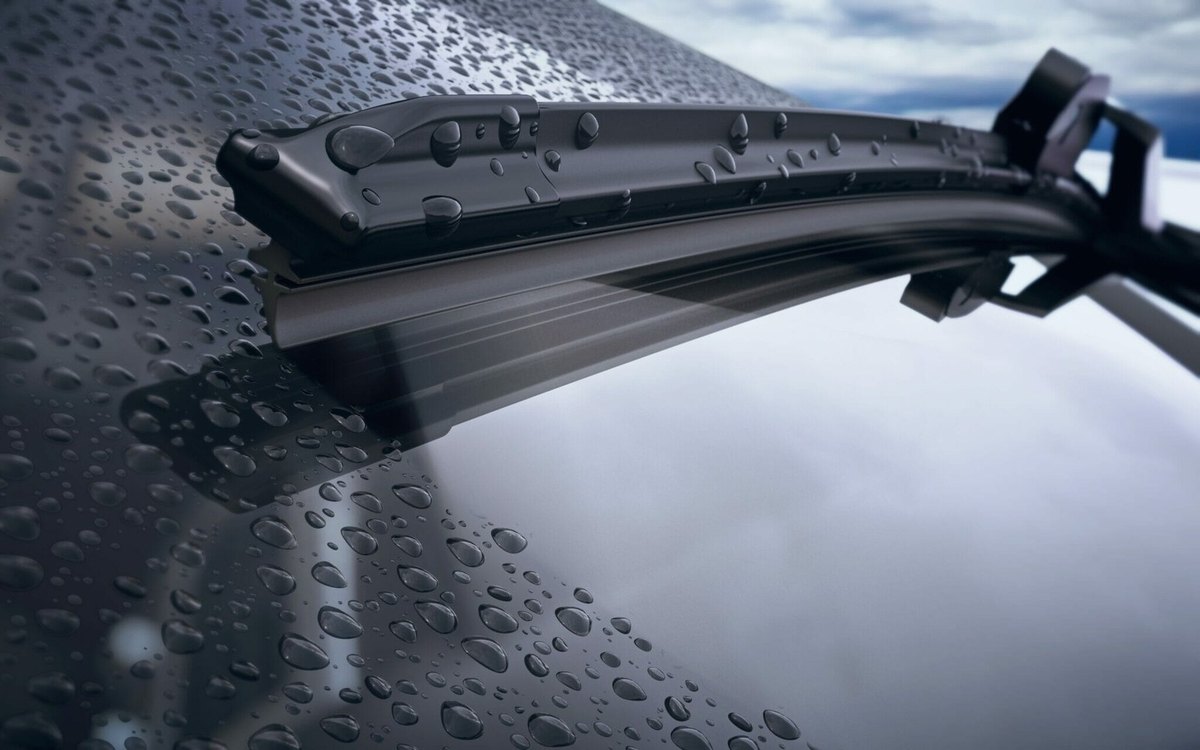
Clean the blades regularly
A wiper that works badly is not necessarily broken. If the rubber has no cracks, wiping the edge with a cloth dampened with spirit every time you wash the car is enough.
Screenwash matters too: use a proper fluid in the ratio on the label, and in winter only a frost-proof one.
Step 2
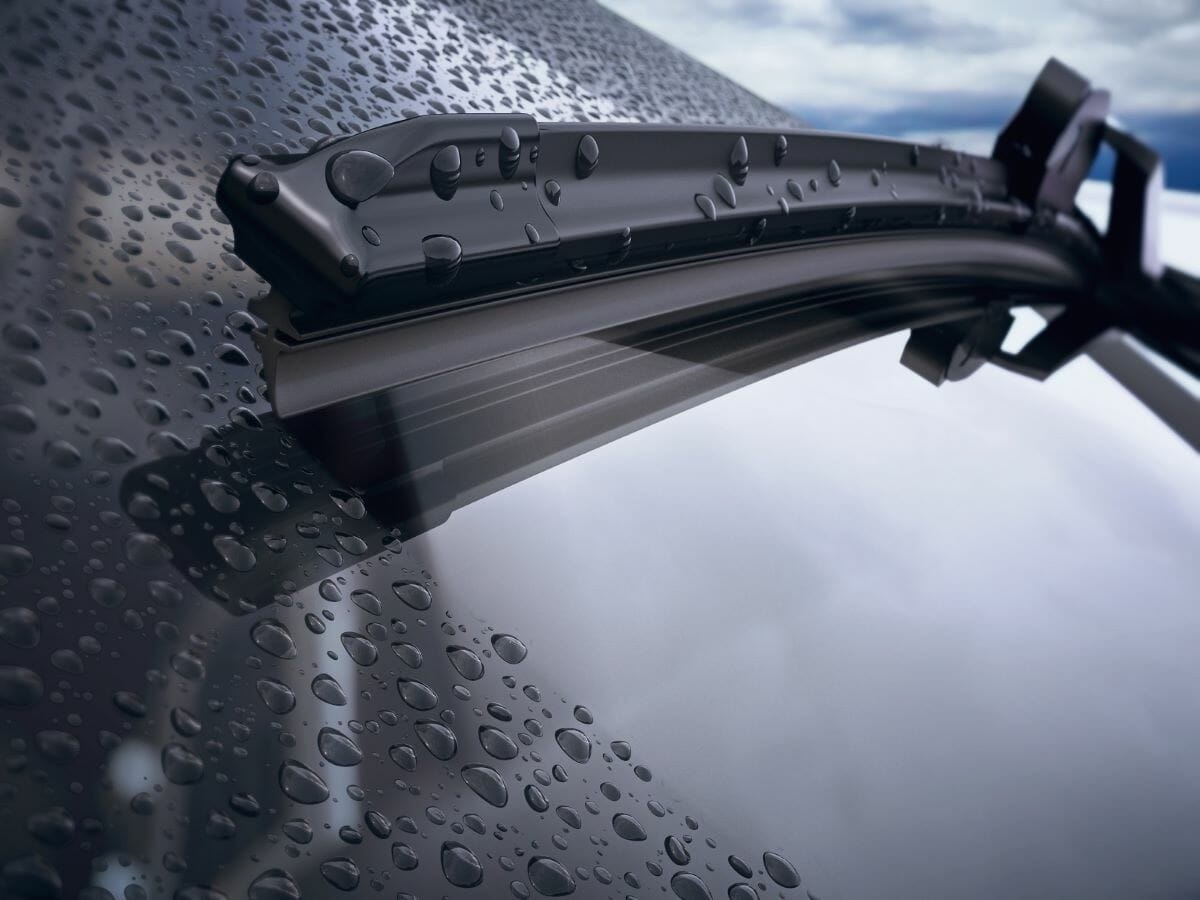
Replace the rubber blade
Cracks, splits or an uneven edge mean the blade needs replacing. Blades attach to the arms in different ways: usually you press a release clip, on other types you unhook the blade after lifting the arm. Buy blades made for your car and change both at once.
Step 3
Check the wiper arm
The arm itself rarely breaks, and neither does the spring holding it to the glass. More often the joint between arm and drive spindle wears: the spindle turns but the arm stays still or lags behind. Often simply tightening the arm nut cures it.
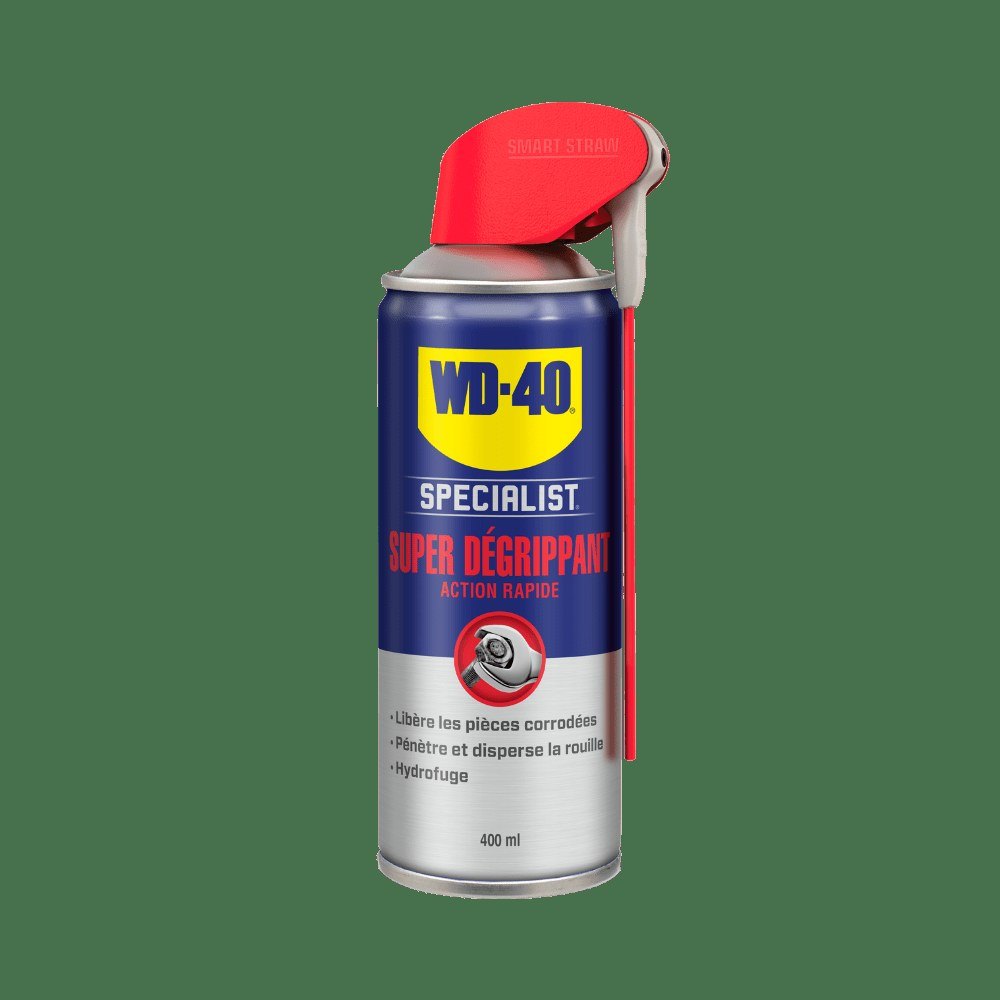
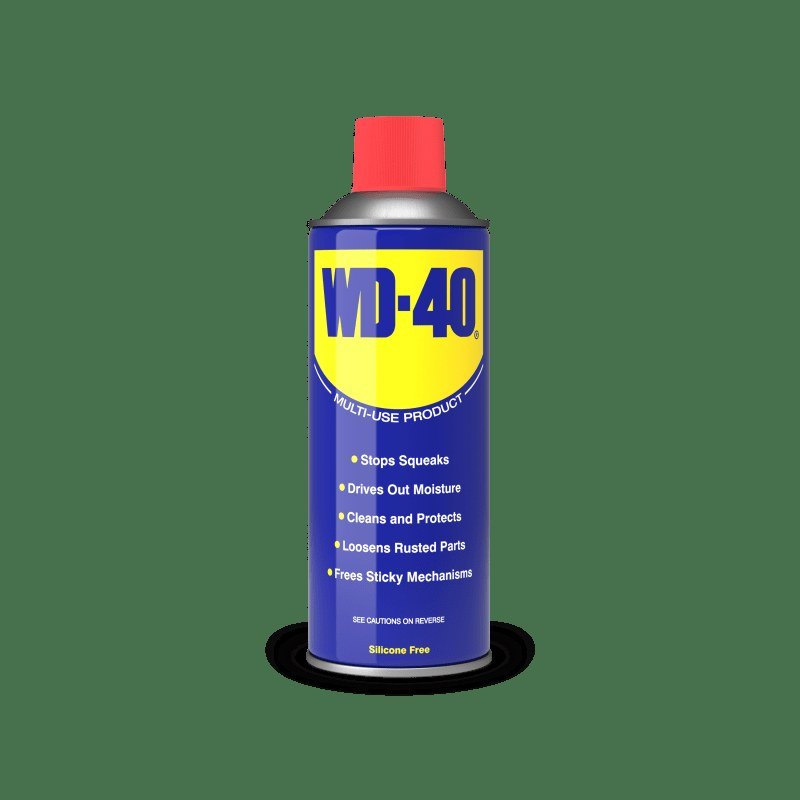
If the arm hinge squeaks or is stiff, put a drop of WD-40 Multi-Use on it through the straw, with the glass covered, and wipe off the excess.
Step 4
Check for spindle slip
Remove the arm and mark the end of the spindle in line with the arm. Refit the arm, run the wipers, then take the arm off again: if the marks no longer line up, the spindle splines are slipping in the arm.
As a temporary fix the joint can be locked with a self-tapping screw through a drilled hole, but the proper repair is a new arm or spindle.
Step 5
Replace the arm
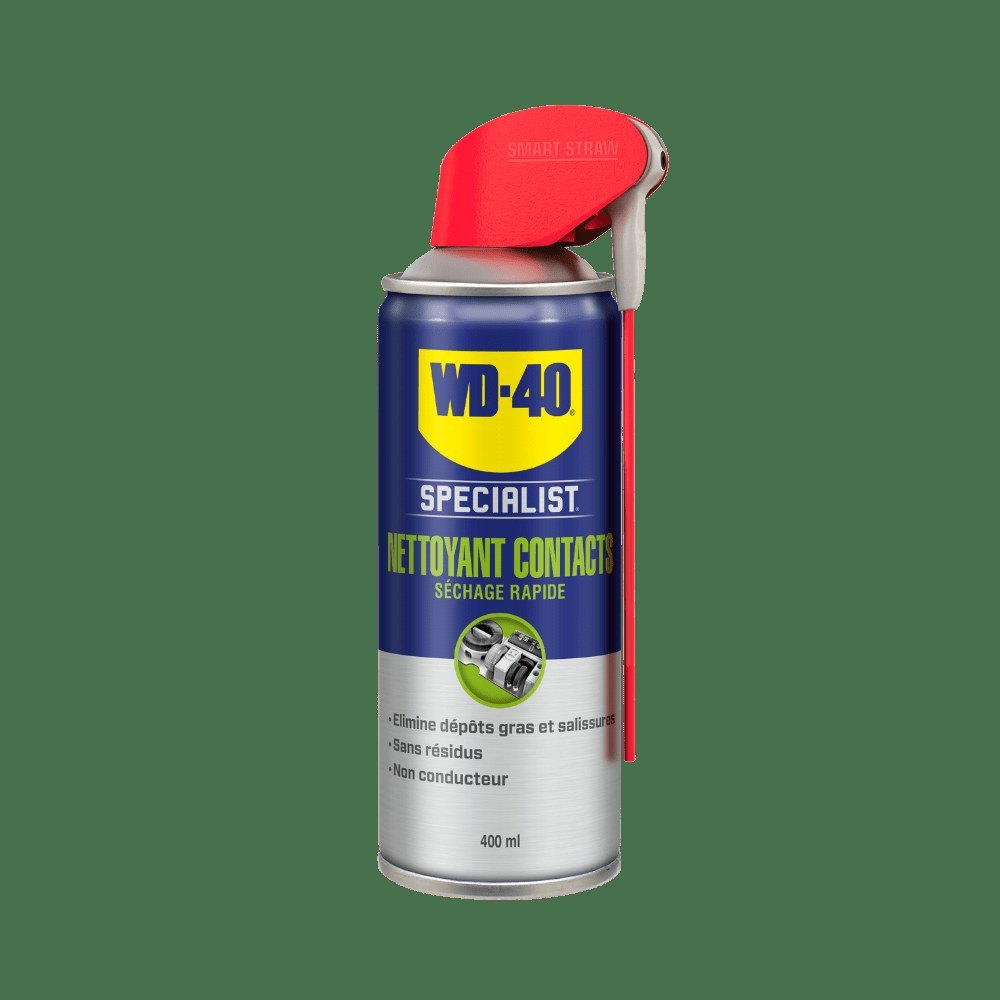
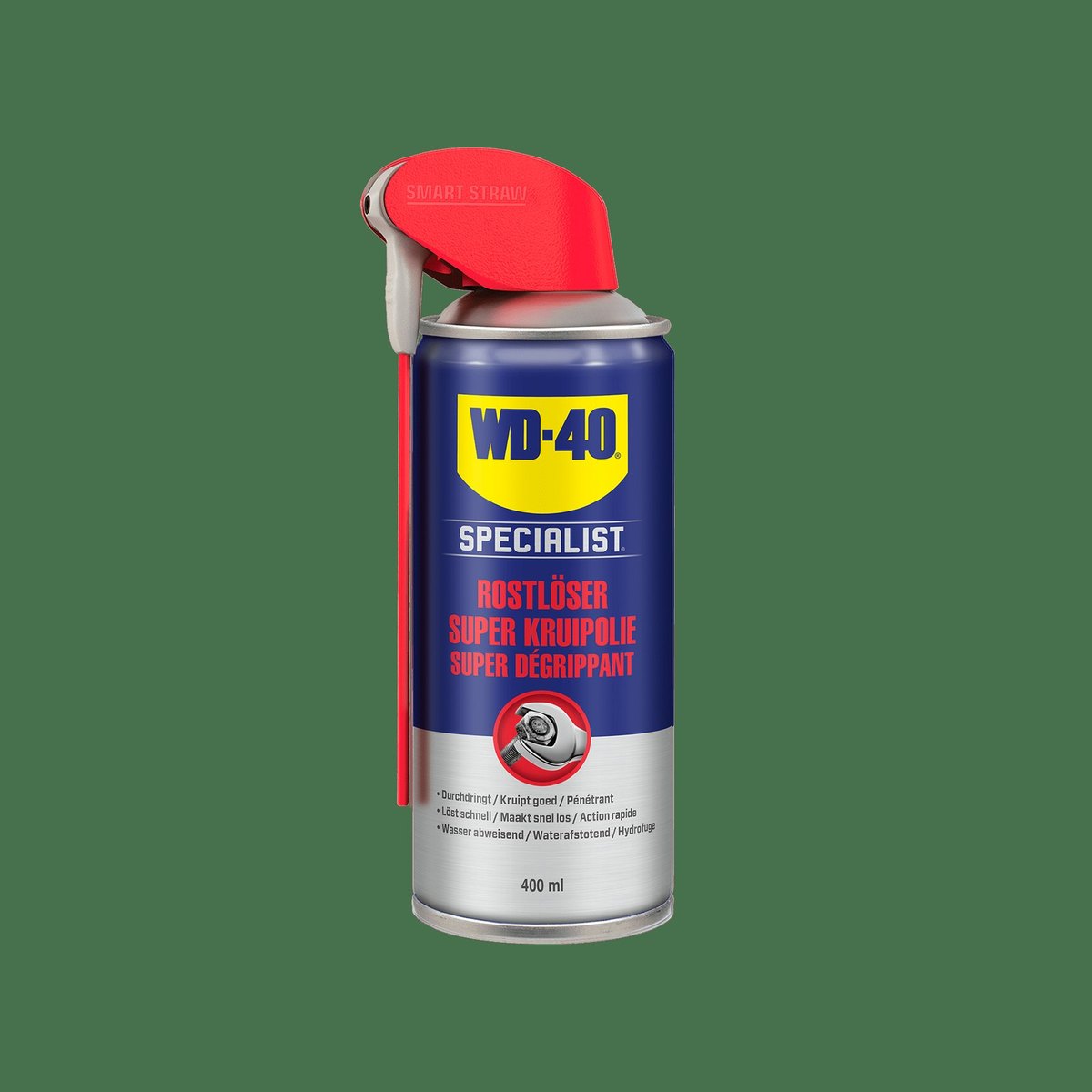
A damaged arm must be replaced. Before removing it, mark the parked position of the blade on the glass with masking tape. If the arm is seized on the spindle, spray WD-40 Specialist Penetrant on the joint, wait a few minutes and rock the arm off.
Fit the new arm to the tape mark and tighten the nut properly.
Step 6
Check the motor
If the wipers do nothing at all, check the wiper fuse in the fuse box first. If it is intact, the fault may be in the motor supply. With the ignition off, unplug the connector, inspect the pins and clean them with WD-40 Specialist Contact Cleaner. If power reaches the motor but it does not turn, it needs repair or replacement.
Tip: In winter never run the wipers while the blades are frozen to the screen: it tears the rubber and overloads the motor.
What next
Check the blades in autumn before the cold and again in spring, and replace them roughly once a year. The same contact cleaner suits battery terminals and lamp connectors.
These uses come from the experience of WD-40 users in many countries. Always follow the instructions and warnings on the product label.
More guides in «How to use».